



The Pre-Soak Secret for Softer Paneer
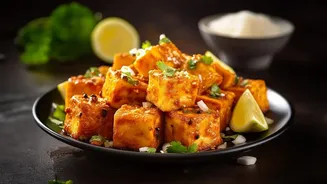
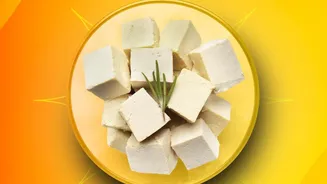
The most common complaint about store-bought paneer is that it can be hard or chewy. The easiest way to fix this is a quick soak. Before cooking, cut your paneer into cubes and place them in a bowl of warm, salted water for about 15 to 20 minutes. This
simple step rehydrates the cheese, making it incredibly soft and sponge-like. This process not only improves the texture but also helps the paneer absorb the flavours of your curry or masala more effectively. This trick is essential if you're using frozen paneer, as it brings the cheese back to life. Even for fresh paneer, this brief soak ensures a melt-in-your-mouth consistency every time. Just be careful not to soak it for too long, as it can become mushy.
Press Tofu for a Firmer, Meatier Bite
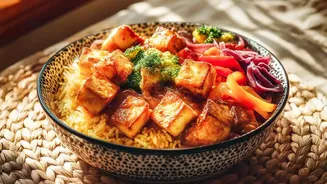
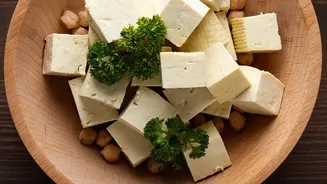
Tofu is packed in water, and if you don't remove this excess liquid, it will steam instead of fry, resulting in a soggy texture. For a firm, satisfying bite, pressing is non-negotiable, especially for firm or extra-firm varieties. You don’t need a fancy gadget; simply wrap the tofu block in a clean kitchen towel or paper towels, place it on a plate, and put something heavy on top, like a few books or a cast-iron pan. Let it press for at least 30 minutes. This process removes water, allowing the tofu to develop a crispy exterior and absorb marinades and spices much more effectively. A well-pressed tofu cube acts like a flavour sponge, ready to soak up any sauce you introduce it to.
Marinade Mastery for Maximum Flavour
Both paneer and tofu have mild flavours, making them perfect canvases for bold ingredients. A good marinade is crucial. For paneer, a mix of yoghurt, ginger-garlic paste, and spices like turmeric, coriander, and garam masala works wonders. For tofu, avoid oil-based marinades, which can prevent flavours from soaking in. Instead, use liquids like soy sauce, lemon juice, or vinegar. To help tofu absorb even more flavour, some cooks recommend a quick brine in warm water with salt and a squeeze of lemon juice before marinating. Giving your protein at least 30 minutes to sit in the marinade will make a world of difference, infusing it with flavour from the inside out.
The High-Heat Sear for Texture and Taste
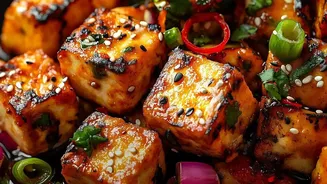
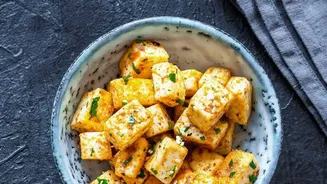
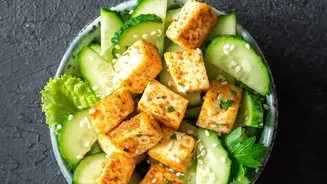
To get that irresistible golden-brown crust you see in restaurants, you need to master the sear. Use a pan that can handle high heat, like cast iron, and make sure it's properly hot before you add the paneer or tofu. Don't overcrowd the pan; cook in batches if necessary to ensure each piece has direct contact with the hot surface. For paneer, a quick fry on medium-high heat until golden is perfect. For tofu, high heat is key to getting a crispy exterior. This initial browning not only adds a wonderful texture but also develops a deeper, more complex flavour, a principle known as the Maillard reaction. Pan-frying before adding it to a curry gives the final dish a textural contrast between the crispy coating and the soft interior.
Layer Your Flavours for a Complete Dish
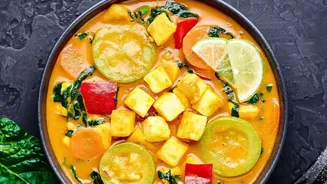
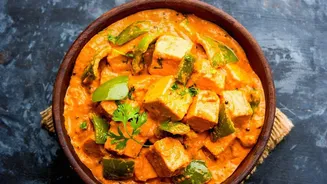
Great dishes are built in layers. After searing your protein, use the same pan to build your sauce. Sauté aromatics like onions, ginger, and garlic until they soften and smell fragrant. Then, bloom your spices—like cumin, turmeric, and coriander—by toasting them in the hot oil for a minute to release their essential oils. Deglaze the pan with a splash of water, stock, or tomatoes to lift all those flavourful browned bits from the bottom. Finally, create your gravy with a base of tomato puree, coconut milk, or yogurt. Adding the paneer or tofu back at the very end allows it to mingle with the sauce without becoming overcooked.
The Golden Rule: Don't Overcook
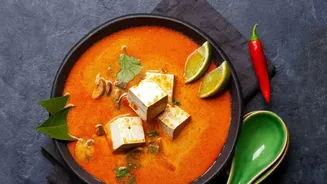
This is perhaps the most important rule for both paneer and tofu. Overcooking is the primary reason these proteins turn rubbery and tough. Once your gravy or sauce is ready, add the paneer or tofu at the very end of the cooking process. They don't need to be boiled for long periods. A gentle simmer for just a few minutes—typically 5 to 7—is all that's needed to heat them through and allow them to absorb the flavours of the sauce. Any longer, and their protein structure will tighten, ruining the soft, tender texture you worked so hard to achieve. Treat them delicately, and they will reward you with a perfect dish.