





Finding an exercise that keeps your joints flexible and comfortable can feel like a challenge. Both walking and cycling are fantastic low-impact options, but they affect the body in different ways. So, which one is right for you?
The Case for Walking: Accessible and Effective
Walking is perhaps the
most accessible form of exercise. It's free, requires no special equipment beyond a good pair of shoes, and can be done almost anywhere. As a weight-bearing activity, walking helps strengthen the muscles that support your joints, such as the quadriceps and glutes. Stronger muscles act as shock absorbers, reducing the load on your knees and hips. This gentle, consistent movement also improves circulation, which helps deliver essential nutrients to joint cartilage. The motion of walking lubricates the joints by promoting the circulation of synovial fluid, which can reduce stiffness and improve your range of motion. For those concerned about bone health, the impact of walking also helps maintain bone density, which is crucial for preventing osteoporosis.
The Case for Cycling: Low Impact and High Reward
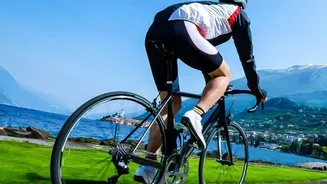
Cycling, whether on a stationary bike or outdoors, is celebrated for being exceptionally gentle on the joints. Because the bike supports your body weight, it is considered a non-weight-bearing exercise that significantly reduces stress on the knees, hips, and ankles. This makes it an excellent choice for individuals who experience pain during weight-bearing activities or are managing conditions like arthritis. The smooth, repetitive circular motion of pedalling enhances joint mobility and flexibility without the jarring impact of running. This action also lubricates the joints effectively. Furthermore, cycling is a powerful way to build strength in the leg muscles—quadriceps, hamstrings, and calves—which provides crucial stability to the knee joint.
Impact on Key Joints
When it comes to the knees, both activities are beneficial, but the best choice can depend on your specific condition. Studies show that both walking and cycling can reduce pain associated with knee osteoarthritis. However, because cycling is lower impact, it is often better tolerated by those with sensitive or arthritic knees, especially conditions affecting the kneecap. Walking on hills or stairs can sometimes aggravate knee pain, whereas cycling's controlled motion minimizes this risk. For the hips, walking encourages a natural range of motion and strengthens stabilising muscles. Cycling also promotes hip flexibility through its repetitive movement, making both exercises valuable for maintaining hip health.
Flexibility, Comfort, and Personal Goals
For pure joint flexibility, both exercises contribute by encouraging movement and lubricating the joints. The continuous, controlled range of motion in cycling may offer a slight edge for improving mobility in the knees and hips with minimal discomfort. When it comes to comfort, cycling is often the winner for those with existing joint pain because it removes the stress of body weight. If your goal includes improving bone density, walking is the superior choice due to its weight-bearing nature. If you are looking to build significant muscle strength in your legs, cycling tends to work the muscles harder and can be more effective. Ultimately, the most comfortable exercise is the one you are most likely to stick with, and consistency is key for longterm joint health.
How to Make the Right Choice
Deciding between walking and cycling doesn't have to be an either or proposition. For many people, a combination of both provides a balanced routine. Listen to your body. If you have significant joint pain, especially in the knees, cycling might be a more comfortable starting point. If you have no pre existing conditions and want an accessible, bone strengthening workout, walking is an excellent foundation. Regardless of your choice, proper form and equipment are crucial. For walking, invest in supportive shoes and consider softer surfaces like a track or trail. For cycling, ensure your bike is fitted correctly—especially the saddle height—to prevent unnecessary strain on your knees. Starting slowly and gradually increasing your duration and intensity will help your body adapt and prevent injury.