





The Building Blocks of Athletic Success
Every athlete knows protein is crucial for success. It’s essential for repairing muscle tissue that breaks down during training and for building new, stronger muscle fibres. But protein itself is made of smaller compounds called amino acids. There are
20 different amino acids, nine of which are called “essential” because our bodies can’t produce them. We must get these nine essential amino acids from the food we eat. For an athlete, a steady supply of these building blocks is non-negotiable for muscle growth, recovery, and overall performance. Without them, your body struggles to repair itself, leading to fatigue and diminished results.
The 'Incomplete' Protein Myth
You may have heard that most plant proteins are “incomplete,” meaning they are low in one or more of the nine essential amino acids. This has led to the long-standing myth that plant-based diets are inferior for athletes. However, this idea is outdated. While animal proteins contain all nine essential amino acids in high amounts, so do some plant foods like soy, quinoa, and buckwheat. Most other plant foods contain all nine as well, just with one or two in smaller quantities. This amino acid is known as the “limiting amino acid.” The idea isn't that the protein is broken, but that its profile can be easily balanced.
The Real 'Rules' of Protein Synergy
The old rule was that you had to combine different plant foods, like rice and beans, in the same meal to form a “complete” protein. While these combinations are effective, modern nutrition science shows that this strict meal-by-meal approach is unnecessary. Your body maintains a pool of amino acids it can draw from throughout the day. The new, more flexible rule is to simply eat a wide variety of plant-based protein sources over the course of the day. By doing so, you will easily provide your body with all the essential amino acids it needs to support your athletic goals. The key is overall daily intake and variety, not perfect pairings at every meal.
Your Plant Protein Playbook for India
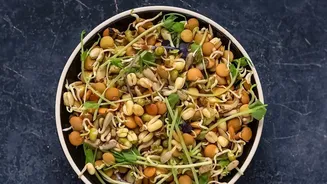
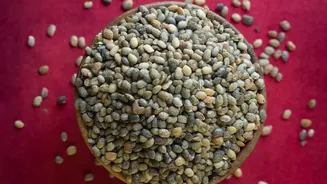
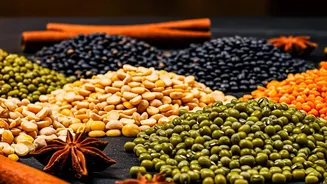
Putting protein synergy into practice is simple and aligns perfectly with many traditional Indian food pairings. The goal is to combine foods with complementary amino acid profiles. Legumes, for instance, are often lower in the amino acid methionine, while grains can be lower in lysine. Eaten together, they provide a complete profile. Here are some powerful combinations: - Grains and Legumes: This is the classic pairing. Think of dal with brown rice, roti with chana masala, or a simple khichdi. Even a peanut butter sandwich on whole-grain bread works perfectly. - Legumes and Nuts/Seeds: A bowl of lentil soup topped with pumpkin seeds, or a salad with chickpeas and a sprinkle of sunflower seeds. - Vegetables and Grains: While vegetables have less protein overall, they contribute to the amino acid pool. A dish like vegetable biryani with quinoa or brown rice is a great example.
Timing for Maximum Athletic Impact
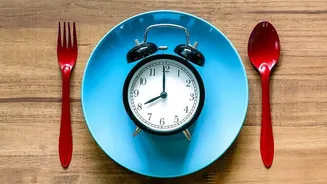
For peak performance, when you eat your protein can be as important as what you eat. Consuming protein shortly after a workout helps to maximise muscle protein synthesis—the process of repairing and building muscle. Aim to consume around 20-40 grams of protein within a two-hour window after finishing your training. A simple and effective post-workout meal could be a shake made with a plant-based protein powder (like pea or soy), a serving of tofu scramble, or a bowl of dal. Spreading your protein intake evenly across all your meals throughout the day also helps maintain a consistent supply of amino acids for ongoing recovery.
Beyond Protein: The Full Performance Picture
While protein is a major focus, optimal athletic performance depends on a well-rounded diet. Plant-based diets are naturally rich in complex carbohydrates, which are the primary fuel source for intense workouts. They are also packed with fibre, antioxidants, vitamins, and minerals that reduce inflammation and support overall health—factors that are crucial for recovery and long-term athletic longevity. Foods like whole grains, fruits, and vegetables provide the energy and micronutrients that work in tandem with protein to help you perform at your best.