



The Taste of Childhood, Reimagined
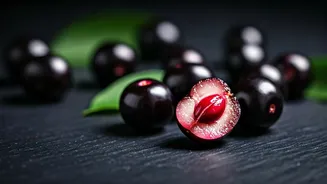
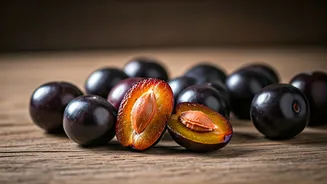
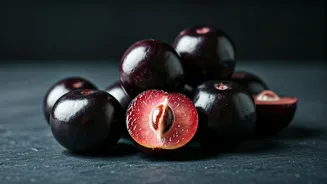
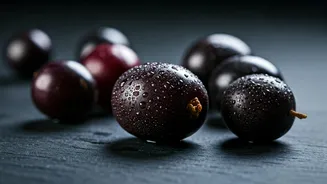
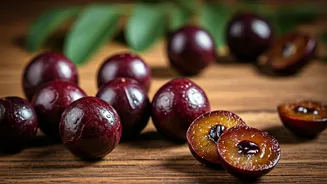
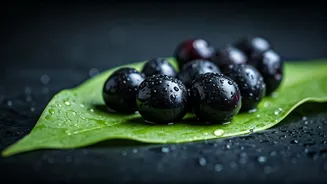
Before it became a trendy cooler, Jamun, or the Java plum, was the taste of summer holidays for millions of Indians. Known for its unique flavour profile—a captivating dance of sweet, tart, and astringent notes—this seasonal fruit often left behind a tell-tale
purple stain on the tongue, a badge of honour for any child who had spent an afternoon enjoying it. This powerful nostalgic connection is a huge part of the drink's current appeal. It’s not just a new flavour; it's a familiar one presented in a sophisticated, modern format. Cafes and home cooks are turning the fruit's pulp into vibrant shots, coolers, and smoothies, often pairing it with classic Indian spices like black salt (kala namak) and roasted cumin (jeera) to enhance its complex taste. This modern twist makes a childhood memory accessible and exciting for a new generation of foodies.
A True Nutritional Powerhouse
Beyond its delicious taste and nostalgic pull, the Jamun drink is a bona fide wellness superstar. The fruit's deep purple hue comes from anthocyanins, a type of antioxidant known for fighting inflammation and protecting cells from damage. Jamun is also loaded with Vitamin C, iron, magnesium, and potassium, making it a nutrient-dense choice. Perhaps its most celebrated benefit, rooted in Ayurvedic tradition, is its potential to help manage blood sugar levels. The fruit has a low glycemic index and contains compounds like jamboline and jambosine, which are believed to slow the rate at which sugar is released into the bloodstream. While the drink is not a cure, its reputation as a health-booster adds a powerful layer of appeal for today’s health-conscious consumers, who are constantly seeking foods that are both indulgent and beneficial.
Perfectly Made for the Instagram Age
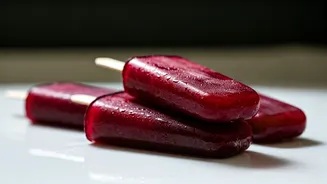
Let’s be honest: in 2024, we eat with our eyes first. The Jamun drink’s spectacular, all-natural purple colour makes it incredibly photogenic. In a world dominated by visual social media platforms like Instagram and Pinterest, a food’s aesthetic value can be just as important as its taste. This drink is a content creator’s dream. It’s vibrant, looks refreshing, and photographs beautifully, whether it’s served in a minimalist glass with a sprig of mint or as a rich, dark shot. This visual appeal has been instrumental in its rapid rise to fame. When people see a stunning, healthy-looking drink, they are more likely to want to try it, share it, and be a part of the trend. The Jamun drink has successfully tapped into the digital culture of wellness, where looking good and feeling good go hand in hand.
From Seasonal Fruit to Year-Round Staple
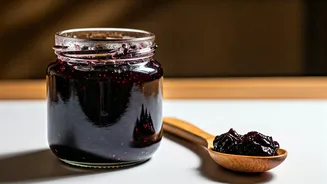
One of the biggest challenges with Jamun has always been its short season, typically lasting only a few weeks during the monsoon. However, modern food processing and a renewed interest in indigenous ingredients have changed the game. Many brands now offer frozen Jamun pulp or deseeded fruit, making it possible to enjoy its benefits year-round. This accessibility is key to its transformation from a fleeting seasonal treat into a reliable ingredient for cafes and home kitchens. The availability of high-quality pulp means that baristas can consistently offer Jamun coolers and mixologists can experiment with Jamun-based cocktails without worrying about supply. This shift ensures the trend has longevity beyond a single season, embedding the flavour firmly into India’s modern culinary landscape.
How to Get Your Jamun Fix
Ready to try it for yourself? The simplest way to make a Jamun cooler at home is by blending deseeded Jamun (fresh or frozen pulp) with chilled water, a pinch of black salt, a squeeze of lemon or lime, and a touch of honey or jaggery if you prefer it sweeter. Some also add roasted cumin powder for a savoury kick or mint leaves for extra freshness. For a quicker option, look for Jamun shots or concentrates available online and in health food stores. Trendy cafes across major cities have also added Jamun-based beverages to their menus, offering everything from simple coolers and slushies to more inventive creations like Jamun kombucha or gin cocktails. It’s a versatile ingredient that’s just as at home in a simple glass as it is in a fancy mocktail.