



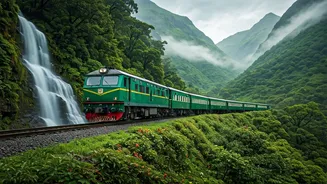


The Allure of the Journey Itself
For decades, the goal of travel was to reach the destination as quickly as possible. Airports became hectic gateways to distant lands, and the journey was something to be endured, not enjoyed. Today, that mindset is shifting. A growing movement known
as 'slow travel' is encouraging people to savour the experience of getting from one place to another. This is where train travel excels. Instead of stressful security lines and cramped seating, rail journeys offer a chance to unwind, read a book, and watch the world go by. In India, a 2026 travel outlook survey found that relaxation was the primary travel motivation for 67% of respondents. This aligns perfectly with the unhurried rhythm of a train, where the journey becomes an integral and enjoyable part of the vacation itself.
A Greener Way to Explore
As awareness about our carbon footprint grows, many travellers are seeking more sustainable ways to see the world. Transportation is a major contributor to tourism-related emissions, and here, trains offer a significant advantage over planes. Studies have shown that travelling by rail can reduce CO2 emissions by as much as 90% compared to flying the same route. A train journey from London to Paris, for example, produces a fraction of the carbon generated by a flight. Electric trains are even more efficient, and rail systems in general reduce noise pollution and use land more efficiently than vast networks of roads. For the eco-conscious traveller, choosing the train is a simple yet powerful way to make their vacation more environmentally friendly.
India's Rail Renaissance
In India, this global trend is gathering remarkable steam. Indian Railways is not only a lifeline but also a growing part of the tourism experience. To meet surging demand, especially during peak seasons, thousands of special train trips have been introduced. Innovations like the Vistadome coaches, with their panoramic glass roofs and large windows, have become a massive hit on scenic routes like Mumbai-Goa and through the Western Ghats. These coaches, which feature rotatable seats and observation lounges, transform the journey into a sightseeing experience, with occupancy rates often exceeding 90%. The popularity of modern services like the Vande Bharat Express, which has seen passenger numbers grow by nearly 34% in a single year, further highlights the demand for comfortable and efficient rail travel.
A Front-Row Seat to the Landscape
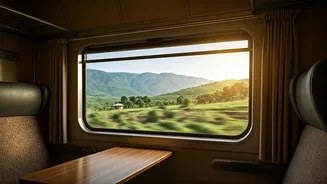
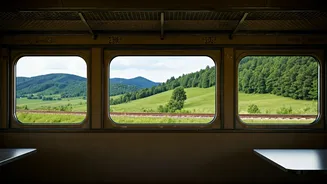
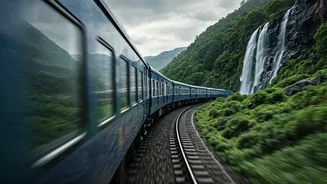
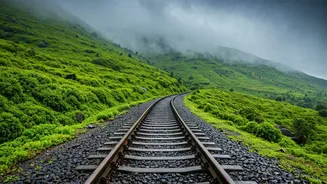
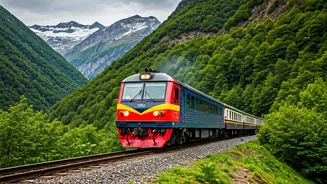
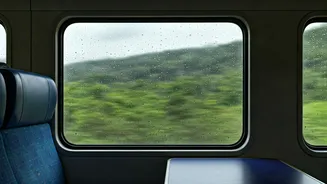
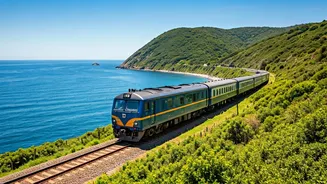
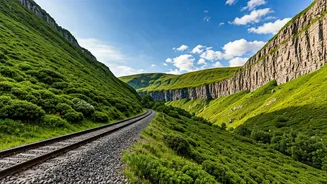
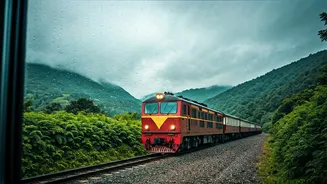
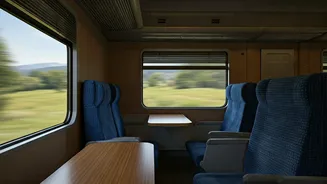
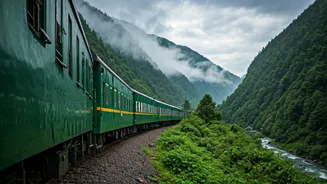
Unlike air travel, which offers a detached, high-altitude view of clouds, trains provide an intimate connection to the landscape. The window of a train cabin is a constantly changing screen, showcasing everything from rolling countryside and dramatic mountain passes to the backyards of small towns and villages. This offers a unique perspective that flying can never replicate. In India, iconic routes like the Himalayan Queen to Shimla, the Nilgiri Mountain Railway to Ooty, and the coastal Konkan Railway offer breathtaking vistas that are destinations in themselves. Even luxury trains like the Maharajas' Express and the Golden Chariot are designed around this principle, offering curated journeys through India's rich cultural and natural heritage.
Comfort, Cost, and Connection
Beyond the scenic and environmental benefits, practical considerations also play a role. Train travel is often more affordable than flying, especially for families and during peak holiday periods. Modern trains offer enhanced comfort with more legroom, the freedom to walk around, and better amenities. Many services now offer Wi-Fi, but for many, the journey is a welcome opportunity to disconnect from screens and connect with fellow travellers or the view outside. The rise in rail tourism spending, which has outpaced overall tourism growth, shows that people are willing to invest in these richer travel experiences. By connecting major cities to remote and regional destinations, trains also help distribute tourism revenue more widely, supporting local economies in a way that air travel often bypasses.