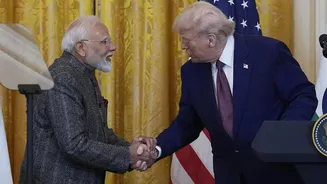








Despite a deepening strategic alliance, a comprehensive trade deal between the US and India remains elusive. The reasons for the stalemate, however, have less to do with the negotiating table and more to do with complex domestic politics in both capitals.
The Promise of a Partnership
On paper, a robust trade agreement between the world's oldest and largest democracies is a win-win. For Washington, it offers access to one of the fastest-growing consumer markets on the planet. For New Delhi, it means better terms for its exports and deeper integration into global supply chains. Bilateral trade in goods and services has surged over the past two decades, reaching over $142 billion by some estimates, highlighting the vast potential. Yet, recent talks have been described by officials as having hit a 'plateau'. While an interim framework was agreed upon in early 2026 to lower some tariffs, a broader, more ambitious deal appears to be stuck, proving that shared geopolitical goals don't always translate into smooth economic agreements.
Washington's 'America First' Echoes
In the United States, the political landscape is shaped by a persistent skepticism towards free trade agreements, a sentiment that transcends party lines. The core priority for any American administration is protecting domestic jobs, particularly in sensitive sectors like manufacturing and agriculture. Lawmakers from farming states, for instance, have been vocal in demanding the removal of Indian tariffs on products like American cotton. This pressure forces US negotiators to take a hard line. Furthermore, the Trump administration's focus on reciprocal tariffs and bilateral trade deficits has fundamentally reshaped US trade policy. This approach demands significant concessions from trading partners, making it difficult to find middle ground with a country like India, which has its own protectionist impulses.
New Delhi's 'Self-Reliant India' Goal
India's government, under Prime Minister Narendra Modi, is driven by the powerful 'Atmanirbhar Bharat' or 'Self-Reliant India' initiative. This policy aims to boost domestic manufacturing, create jobs, and reduce reliance on foreign suppliers. While intended to make India more resilient, US trade officials have identified it as a significant barrier to American exports. Opening up key sectors, especially agriculture, to foreign competition is politically explosive in India. The farm lobby is a massive and influential constituency, and any move seen as sacrificing their interests for a trade deal could have severe political repercussions. This protectionist stance is not new; it's rooted in a long-standing effort to shield 'infant industries' and is supported by powerful domestic business and retail confederations that are wary of foreign competition.
The Key Sticking Points
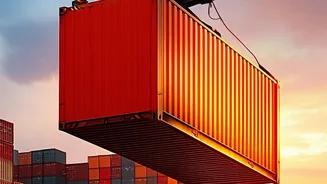
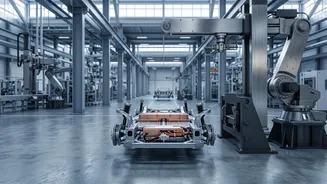
The caution from both sides crystallises around a few key areas. India's high tariffs on items like automobiles, agricultural goods, and electronics are major points of contention for the US. Washington, in turn, wants greater market access for its dairy products, medical devices, and digital services, all of which are sensitive areas for New Delhi. For India, the fear is that lowering barriers too quickly could undercut local producers and farmers, a risk few politicians are willing to take. Complicating matters further are external issues, such as US concerns over India's continued energy trade with Russia, which has led to threats of additional, steep tariffs. These specific disagreements are direct reflections of the domestic priorities guiding each government's hand.
Strategic Friends, Economic Rivals?
The trade friction exists within a much broader context of a strengthening US-India strategic partnership, largely driven by a shared interest in countering China's influence in the Indo-Pacific. High-level diplomatic visits continue, and cooperation in defense and technology is deepening. This suggests that neither side wants the trade disputes to derail the larger relationship. However, it also shows that strategic alignment doesn't erase fundamental economic differences. Both Washington and New Delhi are navigating a delicate balance: advancing their geopolitical partnership while simultaneously appeasing crucial political and economic constituencies at home. The 'big, beautiful' trade deal that was once promised now seems secondary to the more pressing realities of domestic politics.