




The End of the Travel To-Do List
For years, the hallmark of a successful holiday was a jam-packed schedule—a blur of temples, beaches, and restaurants ticked off a list. But a quieter, more intentional travel philosophy is taking root, especially in a place as spiritually rich as Bali.
Enter slow travel. It’s the antithesis of the whirlwind tour, prioritising depth over breadth and connection over content. It’s about choosing to stay in one village for a week rather than four cities, learning the names of the local shopkeepers, and understanding the rhythm of a place rather than just observing its landmarks. For couples, this approach offers a shared opportunity to disconnect from the frantic pace of modern life and reconnect with each other on a more profound level.
The Journey Begins with a Conversation
The magic of this new trend begins long before the flight touches down in Denpasar. It starts with a conversation on a quiet evening, perhaps inside a boutique eco-lodge nestled in the emerald rice paddies near Ubud or a clifftop villa overlooking the Bukit Peninsula. The ‘co-creation’ aspect of the planning is crucial. Instead of one person taking charge, couples are sitting down together, spreading out maps, and dreaming up a trip that reflects both their desires. It’s a process of negotiation and discovery. One partner might be drawn to a silent meditation retreat, while the other wants to learn traditional silver-making. The goal isn't to compromise by doing neither, but to weave these individual passions into a shared tapestry of experiences. This collaborative planning itself becomes a powerful bonding exercise, strengthening communication and building excitement as a team.
Designing a 'Doing Nothing' Itinerary
So what does a personalized slow travel plan look like? It’s often gloriously empty. Instead of back-to-back activities, the schedule might feature open-ended prompts: ‘Spend a morning exploring the village on foot,’ ‘Find a warung for lunch and try whatever the owner recommends,’ or ‘Watch the sunset from the rice fields.’ Many Balinese lodges and retreats facilitate this by connecting guests with the local community. They arrange for informal cooking lessons in a family home, private yoga sessions on a secluded deck, or guided walks through herb gardens with a local expert. The plan is a gentle framework, not a rigid script, leaving ample space for spontaneity—for the unexpected invitation to a temple ceremony or a long, meandering conversation with a new friend.
Beyond the Tourist Trail
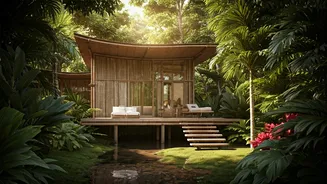
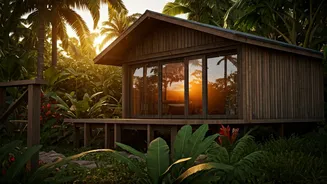
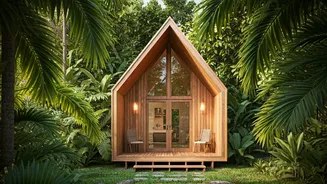
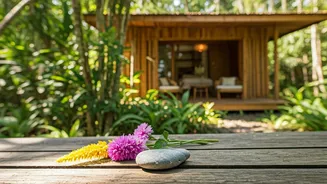
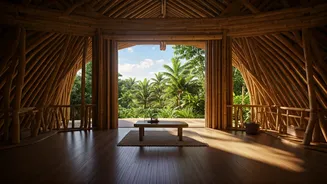
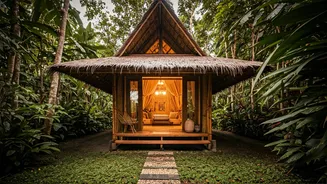
This movement inherently steers couples away from the crowded hubs of Kuta and Seminyak and towards quieter, more culturally intact regions. Areas like Sidemen in East Bali, with its stunning valley views and traditional weaving villages, or Munduk in the northern highlands, known for its cool air, waterfalls, and clove plantations, are perfect settings. The lodges here are often part of the appeal—architecturally stunning bamboo structures, restored traditional Joglo houses, or minimalist villas designed to blend into the landscape. They aren't just a place to sleep; they are sanctuaries that encourage a slower pace of life, often with a focus on wellness, sustainability, and authentic local experiences.
A Souvenir for the Relationship
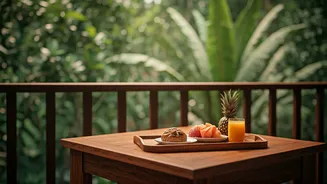
While a beautiful piece of local craft is a wonderful souvenir, the true takeaway from this style of travel is intangible. Couples return home not just with photos, but with a renewed sense of partnership. They’ve navigated the small challenges of travel together, discovered new things about each other, and created a reservoir of shared, unhurried memories. They remember the taste of the fresh passionfruit from the garden, the sound of the geckos at night, and the feeling of simply being present with one another. The act of slowing down on holiday becomes a skill they can bring back into their daily lives, a reminder that the best moments are often the ones you don't plan at all.