






What is the FSSAI's Big Move?
The Food Safety and Standards Authority of India (FSSAI) has intensified its scrutiny of packaged food labels and advertisements. In recent weeks, it has issued show-cause notices to numerous companies for using claims that may mislead consumers. This
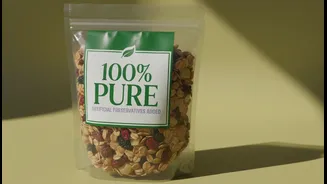
crackdown targets the use of appealing but often vague terms like 'natural', 'fresh', 'healthy', 'pure', and '100%'. The regulator's goal is to ensure that the claims on the front of the pack are truthful, scientifically substantiated, and don't create a false sense of security or health benefit for shoppers. Companies now face penalties up to ₹10 lakh for violations.
The New Rules for Using 'Natural'
The word 'natural' has become a major focus of this regulatory push. For a long time, the term was used loosely, but FSSAI has laid down stricter conditions. According to the regulations, the term 'natural' can generally only be used for single-ingredient foods derived from a plant, animal, micro-organism, or mineral. Critically, these products must not have any added ingredients and should only undergo minimal processing, such as washing, peeling, or chilling, which doesn't fundamentally alter the food's basic characteristics. If a product contains additives, preservatives, or anything synthetic, calling it 'natural' is considered misleading. This move is designed to stop brands from labelling highly processed foods with the 'natural' tag just because they contain some natural ingredients.
Why Is This Happening Now?
Consumer awareness is growing, and so is the regulator's concern about public health. Studies have shown that a significant percentage of food advertisements in India can be misleading. FSSAI is acting on the principle that labels should empower consumers to make informed choices, not confuse them. Recent notices have called out everything from 'fruit' candies that contain no fruit to 'premium chocolate' made with vegetable fat instead of cocoa butter. Even claims like 'FSSAI Approved' are being flagged as deceptive, as the regulator issues licenses but doesn't endorse individual products. The crackdown aims to level the playing field, ensuring that health and wellness claims are backed by scientific evidence.
Beyond 'Natural': Other Terms Under Scrutiny
The crackdown isn't limited to just one word. Other terms under the FSSAI's lens include 'fresh', 'pure', 'authentic', 'genuine', and 'real'. To use the word 'fresh', for example, a product must generally be unprocessed. Similarly, health claims like 'immunity boosting' or 'removes toxins' are being challenged when they lack scientific backing. The term '100%' has also faced scrutiny, with FSSAI arguing in the past that claims like '100% fruit juice' can be misleading if the product contains added water or is made from concentrate. Even the 'vegan' claim is being tightened, with new regulations requiring a specific logo and prior approval.
What This Means for Your Grocery Shopping
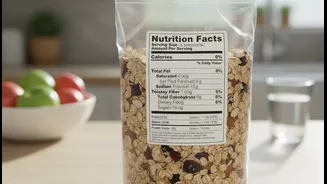
For consumers, this is a positive step toward greater transparency. It means you can start having more trust in what labels claim. The next time you're at the store, be more critical of front-of-pack buzzwords. Look past the marketing claims and turn the package over to read the ingredient list and nutritional information. Is the 'natural' snack full of additives? Does the 'healthy' breakfast cereal have high sugar content? These new enforcement actions mean that the ingredient list, not the flashy claim on the front, tells the real story. As a shopper, your best tool is a healthy dose of skepticism and a willingness to read the fine print.