


The Digital Democratization of Beauty
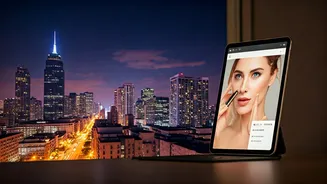
The long-held belief that trends are born in big cities and slowly radiate outwards is becoming a relic of the past. The engine of this change is the powerful combination of e-commerce and social media, which has effectively erased geographical barriers.
Today, a teenager in Gorakhpur or Sangli has the same access to global beauty trends, tutorials, and products as someone in a major metro. [3, 8] Recent data from Flipkart highlights this seismic shift, revealing that its beauty and personal care category has seen a 50% year-on-year growth, with Gen Z driving nearly 60% of all beauty purchases. [2, 3] Crucially, two out of every three beauty searches on the platform now originate from non-metro cities, demonstrating a massive decentralization of interest and demand. [2, 3]
From Metro Malls to Mobile Screens
This transformation is not just about online shopping; it's about a fundamental change in how beauty is consumed and perceived. What was once an occasional, aspirational purchase is now seen as a daily ritual of self-care and expression. [5, 6] This is evidenced by the incredible statistic that 12 beauty products are sold every second on a platform like Flipkart. [5] The growth isn't just in volume but also in sophistication. Consumers in Tier 2 and Tier 3 cities are increasingly investing in premium beauty, which has grown over 60% year-on-year, and specialized categories like men's grooming (up 65%). [2, 3] This shows that the demand is not just for basic products but for science-backed skincare and globally inspired items. [5]
The Rise of the Relatable Influencer
A key driver of this hyperlocal boom is the rise of regional and micro-influencers. [9] While pan-India celebrities once held sway, today's Gen Z consumer often places more trust in creators who feel like them—and live near them. These influencers produce content in regional languages, address local concerns (like climate and water quality), and build tight-knit communities. [6, 11] Their authenticity translates into powerful influence; regional content creators can have engagement rates up to 60% higher than their pan-India counterparts. [11] Brands are taking notice, shifting from purely top-down marketing to collaborating with hundreds of micro-influencers who can genuinely connect with local audiences and drive sales in smaller markets. [9, 16]
Brands Follow the New Blueprint
The beauty industry is responding swiftly to this new map of demand. Direct-to-Consumer (D2C) brands, born online, have been particularly adept at tapping into these markets with accessible pricing and targeted digital marketing. [10, 15] But the trend now goes beyond just digital. Recognizing that touch and trial are still crucial in beauty, many online-first brands like Mamaearth and even luxury players are aggressively expanding their physical footprint into Tier 2 and Tier 3 cities. [4, 7, 13] This 'omnichannel' strategy—where discovery might happen on Instagram, but the purchase happens in a local store—builds trust and solidifies a brand's presence in these rapidly growing markets. [7] Beauty festivals like Nykaaland are also planning to expand beyond metros, taking the immersive brand experience directly to these new audiences. [13]