





Why Monsoon is a Magic Wand for Balconies
The rainy season, typically lasting from June to September in India, creates an ideal environment for plant growth. The increased humidity, cooler temperatures, and regular, soft rainwater reduce stress on plants, allowing them to establish strong roots
and grow vigorously. This period is so effective that even professional landscapers schedule major projects during this time. For balcony gardeners, this means less time spent with a watering can and a higher success rate for new plants, as the natural conditions promote faster growth and healthier foliage.
The Perfect Monsoon Plant Palette
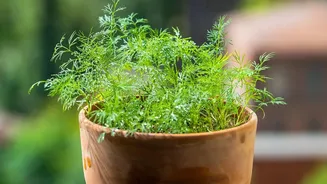
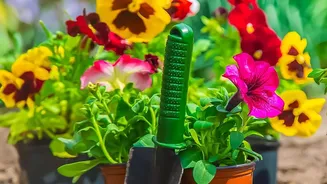
Choosing the right plants is crucial for a thriving monsoon garden. Opt for species that love humidity and can handle moisture without rotting. For vibrant colours, consider flowering plants like hibiscus, balsam, periwinkle, and marigolds. Marigolds are a particularly smart choice as they are hardy and help repel common pests. If you prefer lush foliage, humidity-loving plants like money plants (pothos), ferns, snake plants, and areca palms are excellent options. You can even grow your own produce; vegetables like bhindi (okra), lobia (cowpea), and various gourds do exceptionally well when planted during the monsoon.
Mastering Pots and Soil for Rainy Conditions
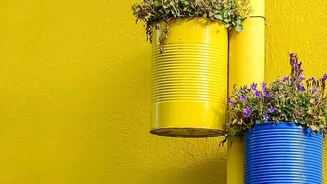
The biggest threat to balcony plants during the monsoon is waterlogging, which can lead to root rot. The solution is impeccable drainage. Ensure every pot has multiple, clear drainage holes at the bottom. Using grow bags can also be effective as their fabric is breathable. Elevating pots on stands or bricks further helps excess water escape. Your soil mix should be light and well-draining. A good formula is a mix of garden soil, compost, and sand or perlite to improve aeration and prevent compaction. Avoid heavy clay soils which retain too much water.
Navigating Monsoon Challenges
While the rain is a blessing, it also brings challenges. High humidity is a perfect breeding ground for pests and fungal diseases like powdery mildew. To combat this, ensure good air circulation by not overcrowding your plants. A preventative spray of neem oil mixed with water every 10-14 days can work wonders in keeping pests and fungi at bay. Also, be vigilant about removing weeds, which thrive in this season and compete with your plants for nutrients. Finally, while the rain provides natural irrigation, don't assume your plants are getting enough water, especially if they are under a roof. Always check the soil; if the top inch feels dry, it's time to water.
Protecting Plants from Nature's Fury
Intense downpours and strong winds can physically damage your green companions. If a storm is forecast, move more delicate plants to a sheltered corner of your balcony. For taller plants or climbers, provide support by staking them or using a trellis to prevent stems from snapping. You can also group pots together to create a heavier, more stable cluster that is less likely to be toppled by strong winds. Protecting your plants from the physical force of the monsoon is just as important as managing water and pests.