


Become a Sauce Boss
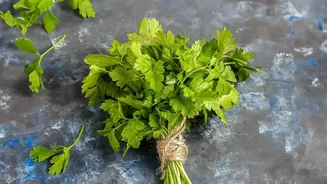
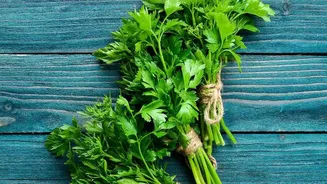
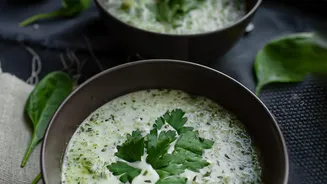
One of the most powerful ways to use a whole bunch of parsley is to blitz it into a stunning, flavour-packed sauce. Think beyond traditional pesto and explore the world of green sauces where parsley is the hero. Argentinian chimichurri is a prime example,
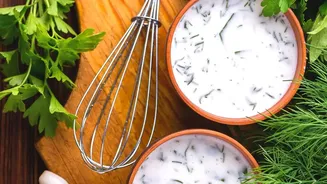
a zesty, uncooked sauce that traditionally features finely chopped parsley, garlic, olive oil, and red wine vinegar. It’s a classic pairing for grilled steak, but it’s equally magical drizzled over chicken, fish, or roasted vegetables. Similarly, an Italian-style salsa verde uses parsley as its foundation, often blended with capers, anchovies, garlic, and lemon juice for a punchy condiment. Don't be afraid to make a parsley-centric pesto, swapping out some or all of the basil and using walnuts or almonds instead of pine nuts. These sauces are incredibly versatile; you can stir them through pasta, use them as a sandwich spread, or mix them into yogurt for a quick dip.
The Heart of a Salad
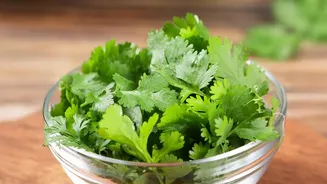
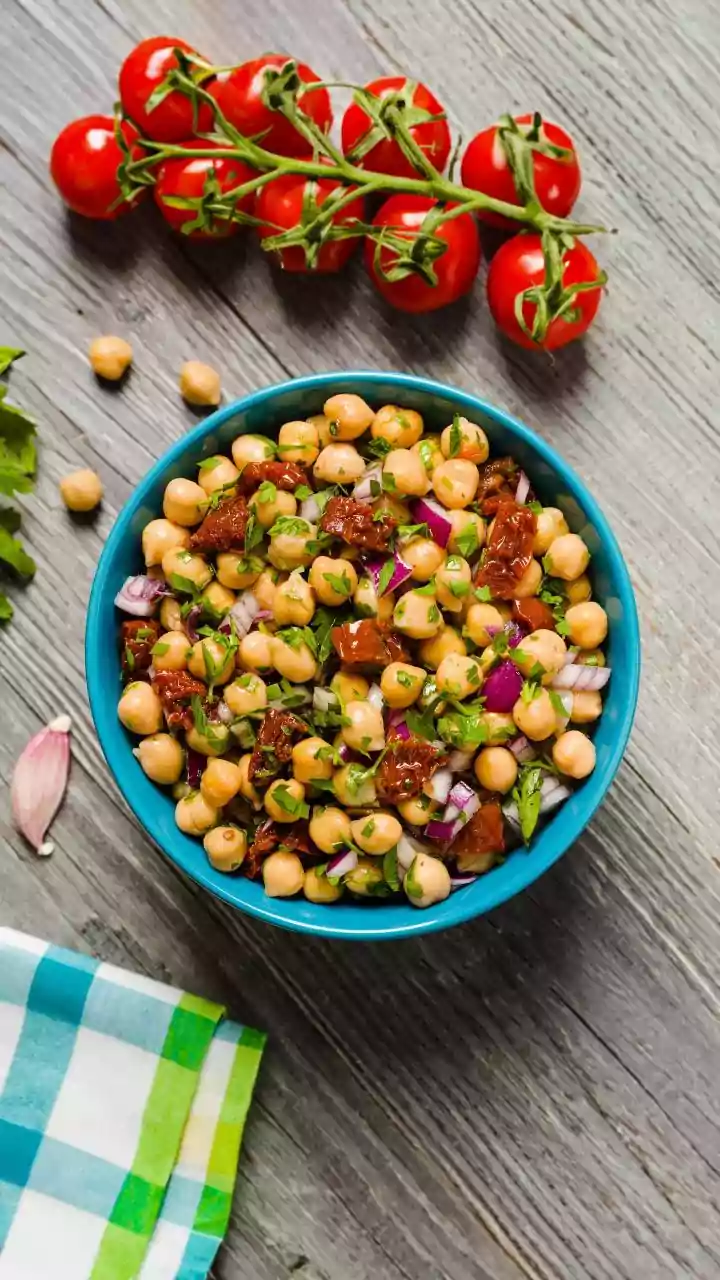
In many cuisines, parsley isn't just an addition to a salad—it is the salad. The most famous example is tabbouleh, a staple of Middle Eastern cuisine. A traditional Lebanese tabbouleh is not a grain salad with some herbs; it's a parsley salad with a bit of bulgur wheat, tomato, mint, and onion, all brought together with a lemon juice and olive oil dressing. The sheer volume of fresh, finely chopped parsley gives the dish its characteristic bright, fresh, and peppery flavour. Don't stop there. You can create a simple but elegant salad with a whole bunch of parsley leaves, some thinly sliced red onion, and a sharp vinaigrette. It can also be mixed with other tender leaves, used in bean salads, or tossed with grains like quinoa for a substantial and healthy meal. When used in such large quantities, parsley's earthy, clean taste truly shines.
Infused into Hearty Mains
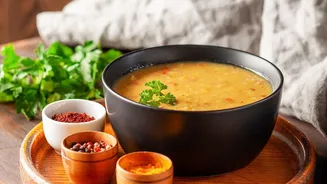
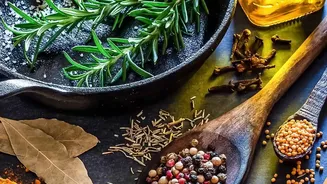
Parsley's ability to complement other flavours makes it an essential component of many hearty, slow-cooked dishes. In French cooking, a 'bouquet garni'—a bundle of herbs, almost always including parsley sprigs—is used to infuse stocks, soups, and stews with a subtle, aromatic depth. The herb's stems, which are packed with flavour, are perfect for this application and can be added at the beginning of the cooking process. Parsley is also a key ingredient in stuffings and dumplings. An old-fashioned parsley stuffing for chicken or veal can use multiple bunches, making it the primary flavour alongside butter and onion. Similarly, garlic and parsley dumplings can elevate a simple beef stew into something truly special, with the chopped herb adding flecks of colour and a fresh counterpoint to the rich gravy. When added near the end of cooking, it retains a brighter, fresher taste.
A Flavourful Marinade or Rub
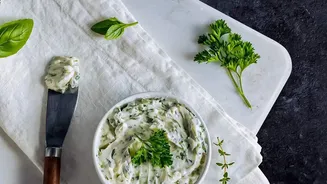
Finely chopped fresh parsley, mixed with garlic, olive oil, lemon zest, and seasonings, creates a wonderful paste that can be used as a rub or marinade for meats and poultry. This mixture, sometimes known as a gremolata when used as a finishing touch, tenderises the meat while imparting a fresh, herbaceous flavour that cuts through richness. For a simpler approach, you can create a parsley oil or herb butter. Blending a large amount of parsley with olive oil creates a versatile infusion that can be used for cooking or drizzling. You can even freeze this oil in ice cube trays for a convenient flavour boost whenever you need it. A compound butter, made by mixing softened butter with copious amounts of chopped parsley and garlic, is fantastic for melting over a steak, spreading on toast, or tossing with steamed vegetables.