





More Than Just Green Tea
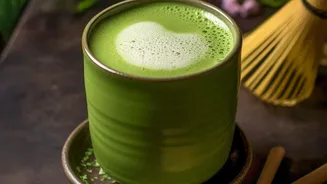
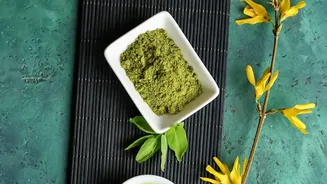
For generations, tea in India has meant robust, milky chai or the delicate leaves of Darjeeling. But matcha is a different experience entirely. Originating from Japan, it is a finely ground powder of specially grown and processed green tea leaves. Unlike
regular green tea, where leaves are steeped and discarded, with matcha, you consume the entire leaf, resulting in a more potent dose of caffeine and antioxidants. The distinction of 'premium' or 'ceremonial-grade' matcha refers to the quality, derived from the youngest tea leaves, which produces a smoother, less bitter, and more complex umami flavour. This quality is central to the new matcha-centric cafes emerging across Bengaluru, from Indiranagar to Koramangala.
The Anatomy of a Premium Experience
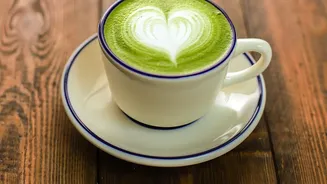
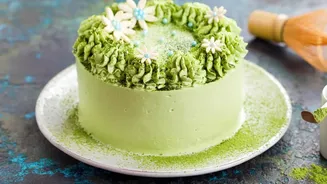
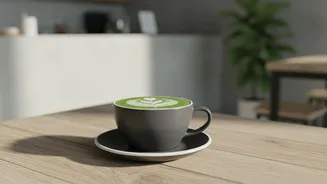
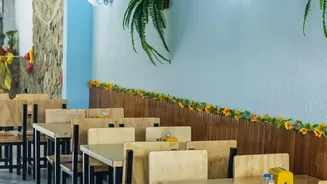
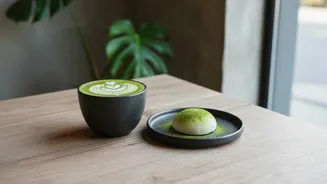
The new trend is about more than just the drink itself; it's about the entire experience. Cafes like Sakura Matcha Bar, often credited with starting the city's matcha revolution, and others like Mai Matcha Haus and Turtle Matcha have created dedicated spaces for this green brew. The experience is curated for a generation that values aesthetics and authenticity. Think minimalist, 'Instagrammable' interiors, specialized menus featuring everything from Strawberry Matcha Lattes to Matcha Cheesecakes, and even the ritual of watching the vibrant green powder being whisked into a frothy beverage. It's a departure from the quick takeaway coffee culture, encouraging patrons to slow down. Some cafes are even taking it a step further, offering unique local twists like Aam Panna Matcha, which blends the Japanese tea with the nostalgic Indian summer drink.
Meet the New Matcha Adopter
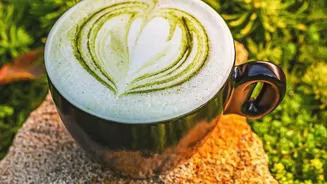
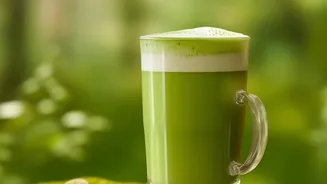
So, who is behind this green surge? The demand is largely driven by Gen Z and young millennial consumers. This is a generation that grew up with global trends at their fingertips and a heightened awareness of wellness. For them, matcha is not just a passing fad; it's a lifestyle choice. It offers a 'calm energy' without the jittery side effects sometimes associated with coffee, thanks to an amino acid called L-theanine. This aligns perfectly with a generation that increasingly prioritizes mental well-being. Furthermore, in a digital-first world, the visual appeal of a bright green latte is undeniable. It's a beverage that looks as good on a social media feed as it tastes, turning consumption into a statement of personal brand and global awareness.
From Filter Coffee to a Global Palate
Bengaluru, long hailed as the heartland of South Indian filter coffee, has evolved into a cosmopolitan hub with a palate to match. The city's status as a tech and startup capital has drawn a young, diverse workforce that is open to experimentation. This shift is visible across its food scene, with a rising interest in everything from regional Indian cuisines to global trends like Korean food and Japanese fare. The rise of matcha is a key part of this broader culinary expansion. It reflects a consumer base that is confident, curious, and eager to embrace global cultures while also supporting innovative local cafes. These consumers are not abandoning their love for traditional coffee; rather, they are expanding their repertoire, treating cafes as 'third places' for work, socializing, and self-expression.
The Business of Green Gold
The boom in premium matcha is not accidental; it is a calculated business move. Cafe owners and entrepreneurs see a clear and growing market. They are investing in high-quality, often ceremonial-grade, matcha sourced directly from Japan to meet the discerning tastes of their clientele. New micro-bars and dedicated matcha cafes are opening in trendy neighbourhoods, confident in the demand. Establishments like Got Tea are even hosting workshops to educate consumers on the nuances of matcha, further deepening the appreciation and building a loyal community. This investment in quality and education signifies that both businesses and consumers see matcha not as a fleeting trend, but as a permanent and profitable fixture in Bengaluru's diverse beverage landscape.