



The Morning Ritual: Building a Foundation
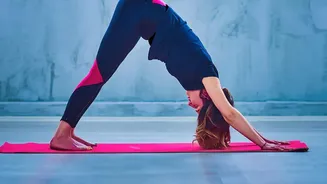
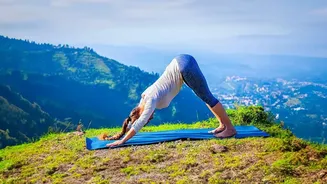
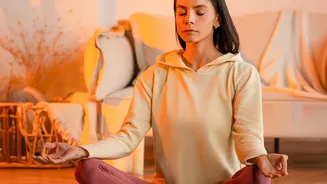
Rolling out your mat as the day begins is an act of proactive self-care. A morning yoga practice is designed to gently awaken the body and mind, setting a positive and energetic tone for the hours ahead. Physically, your muscles might feel tighter in the morning,
which means the focus is less on deep flexibility and more on mindful movement. Sequences like Sun Salutations (Surya Namaskar) are ideal, as they increase circulation, warm up the muscles, and promote alertness. This morning activation can also kickstart your metabolism for the day. Beyond the physical, starting the day with intention cultivates mental clarity. The quiet of the early hours offers fewer distractions, making it an ideal time to practice mindfulness and focus, which can reduce mental fog and improve concentration throughout the day.
The Science of a Resilient Start
The benefits of a morning practice are rooted in our natural body rhythms. Our bodies produce the hormone cortisol to help us wake up, and levels are naturally highest in the morning. A gentle morning yoga session can help regulate this natural peak, preventing it from tipping into anxiety and instead harnessing it for productive energy. Research suggests that morning exercise can boost mood and cognitive function by enhancing the release of endorphins. Furthermore, establishing a morning routine helps regulate the body's circadian rhythm, which is vital for metabolism and sleep cycles. By starting the day with intentional breath and movement, you stimulate the parasympathetic nervous system—the body's “rest and digest” system—which helps you manage stress before it even begins to build. This proactive approach is what builds daily resilience, equipping your nervous system to handle challenges with greater calm.
The Evening Unwind: Releasing the Day's Burdens
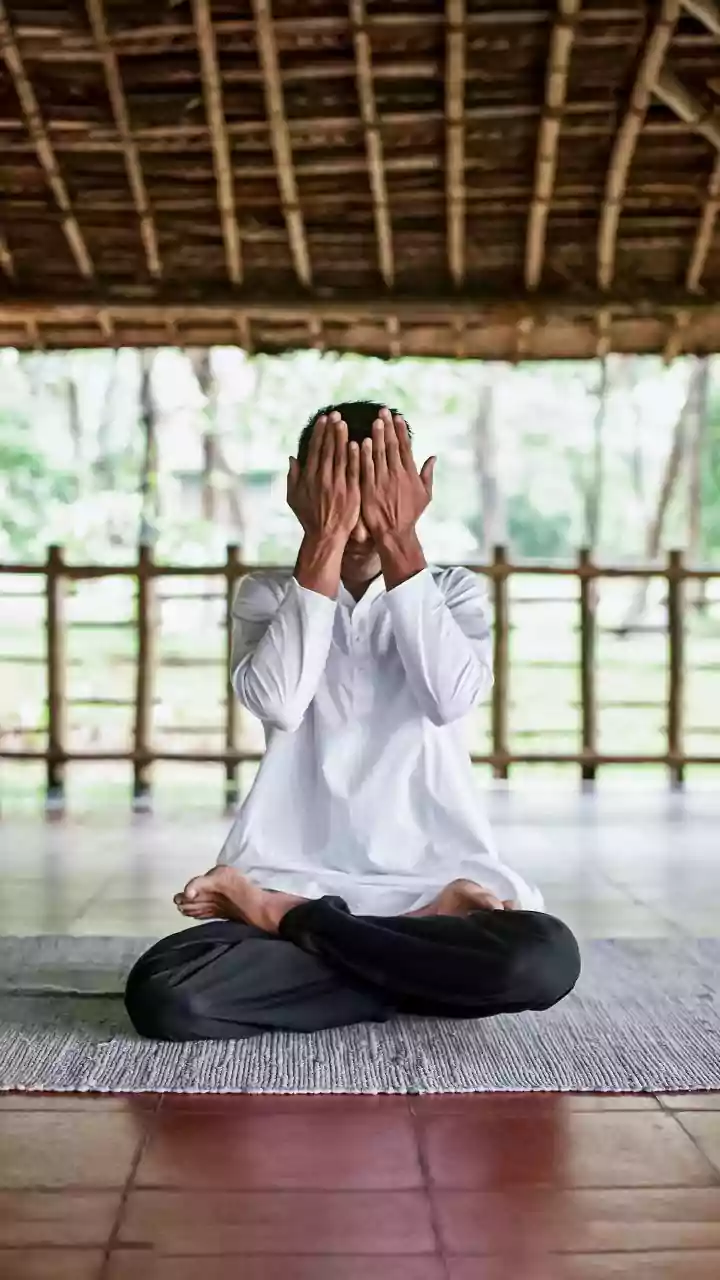
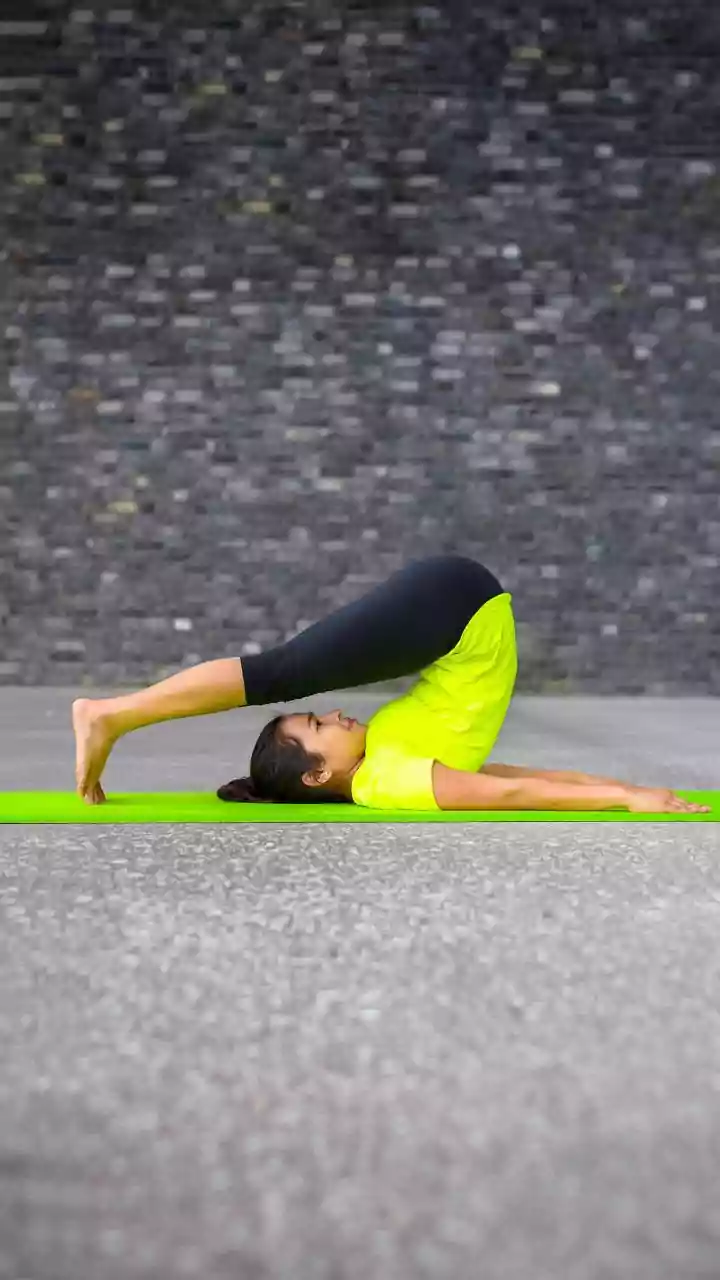
An evening yoga practice serves a different, yet equally important, purpose. It acts as a buffer between the demands of your workday and the peace of your personal time, creating a clear boundary for relaxation. After a long day of sitting, standing, or mental exertion, the body and mind hold onto tension. An evening session is an opportunity to consciously let that go. Physically, your body is warmer and more pliable in the evening, with studies suggesting flexibility can improve later in the day. This makes it an ideal time for deeper stretches and longer holds that release stiffness in the hips, back, and shoulders. Mentally, it provides a dedicated space to process the day’s events and quiet a racing mind, making it a powerful tool for anyone dealing with screen fatigue or mental overload.
The Physiology of a Peaceful Close
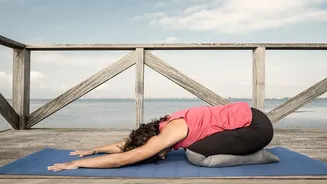
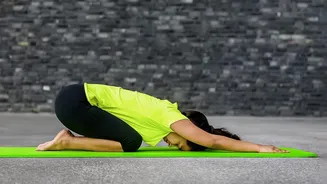
Evening yoga is scientifically proven to be an effective tool for stress relief and sleep preparation. A key reason is its impact on the nervous system. Gentle and restorative poses activate the parasympathetic nervous system, signaling to your body that it is safe to relax. This process helps lower levels of the stress hormone cortisol, which can become elevated throughout the day. Poses like Child’s Pose (Balasana) and Legs-Up-the-Wall (Viparita Karani) are particularly effective at calming the nervous system. Studies have found that this activation of the “rest-and-digest” mode can lead to a lower heart rate, reduced blood pressure, and significantly improved sleep quality. By intentionally slowing down before bed, you prepare both your body and mind for a deeper, more restorative sleep.
Morning or Evening: Which Is Best for You?
Ultimately, there is no single “best” time to practice yoga; the ideal choice depends entirely on your personal goals, lifestyle, and what your body needs most. If you're looking to boost your energy, improve focus, and build a consistent routine, a morning practice may be the perfect fit for you. It helps build discipline and ensures your practice gets done before the day’s distractions can interfere. On the other hand, if your primary goal is to relieve stress, release physical tension from the day, and improve your sleep, an evening session is likely the better choice. It’s important to listen to your body. Some people may even benefit from a hybrid approach: a short, energizing flow in the morning and a longer, restorative practice at night. The key is consistency, so choose the time that you can realistically stick with.