







Your Body Follows a 24-Hour Clock
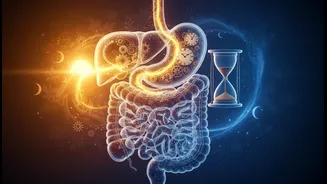
Your body operates on an internal 24-hour cycle known as a circadian rhythm, which governs everything from your sleep-wake patterns to hormone release. Your digestive system is a key part of this rhythm. During the day, when you are most active, your digestive organs
are primed for peak performance, efficiently breaking down food and absorbing nutrients. As evening approaches and your body prepares for rest, these processes naturally begin to slow down. Eating a large meal late at night essentially asks your digestive system to run a marathon when it's supposed to be winding down for a quiet night's sleep.
The Slowdown of Digestion at Night
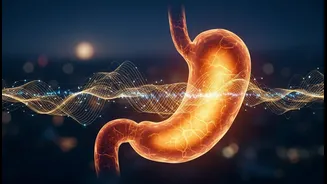
As part of the body's circadian rhythm, several key digestive functions decelerate in the evening. The rate at which your stomach empties its contents into the small intestine slows, meaning food sits in your stomach for longer. Production of digestive enzymes and acids, which are crucial for breaking down food, also decreases. When you overeat in the evening, you're presenting a large volume of food to a system that is operating at reduced capacity. This can lead to feelings of excessive fullness, bloating, and general discomfort as the food is processed much less efficiently than it would be earlier in the day.
The Increased Risk of Heartburn and Acid Reflux
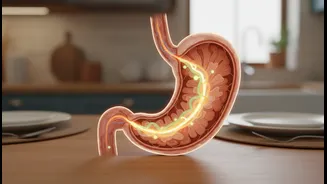
One of the most common complaints linked to late-night eating is heartburn. When you eat a big meal and then lie down within a few hours, you're working against gravity. Lying flat makes it much easier for stomach acid to travel back up into the esophagus, the tube connecting your throat and stomach. This backward flow is known as acid reflux, and its main symptom is a burning sensation in the chest called heartburn. Eating within three hours of bedtime has been shown to significantly increase episodes of nighttime reflux. This is especially true for large, fatty, or spicy meals, which can either increase stomach acid or relax the sphincter that normally keeps acid contained.
Disruption to Sleep Quality
While you might think a full stomach would make you sleepy, the opposite is often true. When your digestive system is forced to work overtime at night, it can interfere with your ability to get deep, restorative sleep. The physical discomfort from bloating or acid reflux can cause awakenings. Furthermore, the metabolic processes involved in digestion can slightly raise your body temperature and heart rate, signaling to your body that it's time for activity, not rest. Studies have shown that late dinners can delay the time it takes to fall asleep and reduce overall sleep efficiency, leaving you feeling groggy the next day.
Metabolic and Long-Term Consequences
Beyond immediate discomfort, consistent evening overeating can have metabolic consequences. Your body's ability to manage blood sugar is less efficient at night. Late meals can cause a larger spike in blood glucose and require more insulin to manage, which over time could be a risk factor for metabolic issues. While weight gain is primarily about total calories consumed versus burned, some research suggests that calories eaten late at night are more likely to be stored as fat because your metabolism is naturally slower. Chronic stress combined with late-night eating has also been linked to a higher likelihood of digestive issues like constipation or diarrhea.
Tips for Healthier Evening Eating
To work with your body's natural rhythm, try to eat your last large meal at least three to four hours before you plan to go to sleep. This gives your digestive system ample time to do its job before you lie down. If you are hungry later in the evening, opt for a small, light snack that is easy to digest, such as a banana or a handful of nuts, rather than a heavy meal. Pay attention to your body’s hunger cues and try to distinguish between true hunger and eating out of habit, stress, or boredom. Staying hydrated with water can also sometimes curb cravings that are actually signs of thirst.