





An Ideal Month for Clear Skies
For much of India, September marks a welcome transition. The heavy clouds of the monsoon season begin to dissipate, washing the atmosphere clean of dust and haze. This results in improved atmospheric transparency, offering crisper and clearer views of the night
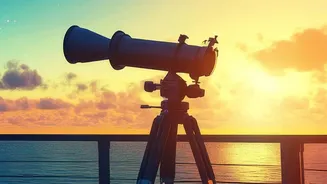
sky. While some regions may still experience lingering rains, the post-monsoon period generally provides an excellent window for both casual stargazing and more serious amateur astronomy. The pleasant weather, combined with darker skies, sets the stage for a month of celestial highlights that are accessible to everyone, even those without special equipment.
September's Faint Meteor Shower
September features the Epsilon-Perseid meteor shower, which is active from September 5th to the 21st. The shower is expected to reach its peak activity on the morning of September 9th. It's important to set expectations, as this is a minor shower, producing a nominal rate of around five meteors per hour under perfect, dark-sky conditions. For the best chance of spotting these shooting stars, find a location far from city lights and look towards the constellation Perseus in the hours before dawn. The New Moon on September 11th will provide dark skies around the peak, improving visibility.
Planet Watch: Neptune, Venus, and More
September is a fantastic month for planet-spotting. The distant ice giant Neptune reaches opposition on September 26th. At opposition, a planet is at its closest to Earth and visible for most of the night, making it the best time to observe it. While you'll need a telescope to see Neptune as more than a star-like point, it will be at its brightest. Brilliant Venus will also be a highlight, reaching its maximum brightness on September 22nd. Look for it in the western sky after sunset. Throughout the month, the Moon will have close encounters with several planets, including Mars and Jupiter, creating beautiful pairings in the sky.
The Glow of the Harvest Moon
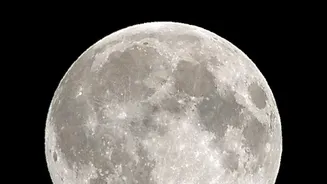
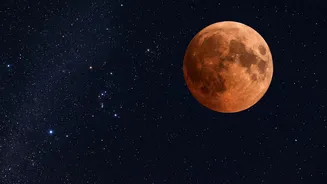
The full moon on September 26, 2026, is known as the Harvest Moon. This is the name given to the full moon that occurs closest to the autumnal equinox (September 22nd this year). Historically, the light from the full Harvest Moon helped farmers work late into the night to bring in their crops. One of the unique characteristics of the Harvest Moon is that it rises at nearly the same time for several evenings in a row, providing extended nights of bright moonlight. Look for it to appear big and golden on the horizon shortly after sunset.
Essential Viewing Tips for Beginners
To make the most of your stargazing session, a little preparation goes a long way. First, get away from city lights. Light pollution is the biggest obstacle to seeing faint stars and meteors. Second, give your eyes time to adapt to the dark, which can take 20 to 30 minutes. Avoid looking at your bright phone screen; use a red flashlight if you need light, as it won't ruin your night vision. You don't need a telescope to start; a pair of binoculars can reveal stunning details, like the craters on the Moon. Finally, check the weather forecast before you head out, and dress in layers, as even warm regions can get chilly during long nights under the stars.
Top Stargazing Locations in India
India boasts several world-class dark-sky locations. Hanle in Ladakh is home to India's first official Dark Sky Reserve and is considered one of the best stargazing sites in Asia due to its high altitude and clear, dry air. Spiti Valley in Himachal Pradesh also offers incredibly dark, Bortle Class 2 skies, where the Milky Way can be seen in breathtaking detail. For those unable to travel to the Himalayas, the Rann of Kutch in Gujarat provides a surreal experience, with the white salt desert reflecting the starlight. Other accessible spots with good post-monsoon conditions include Coorg in Karnataka and locations in the Sahyadri mountain range in Maharashtra.