


The $150 Billion Answer in Orbit
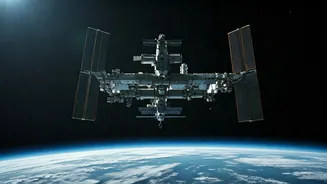
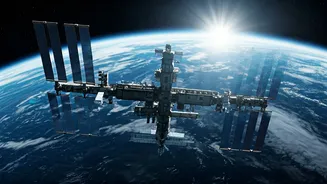
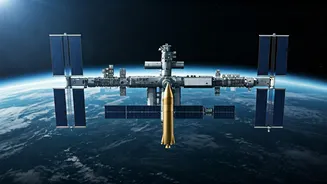
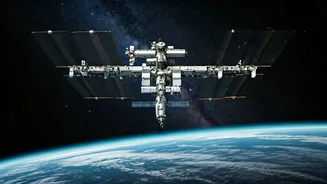
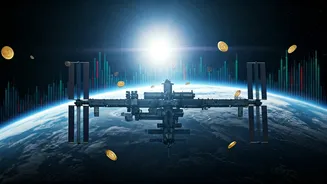
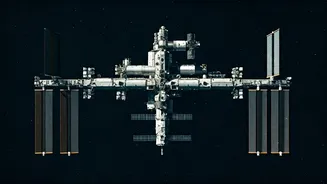
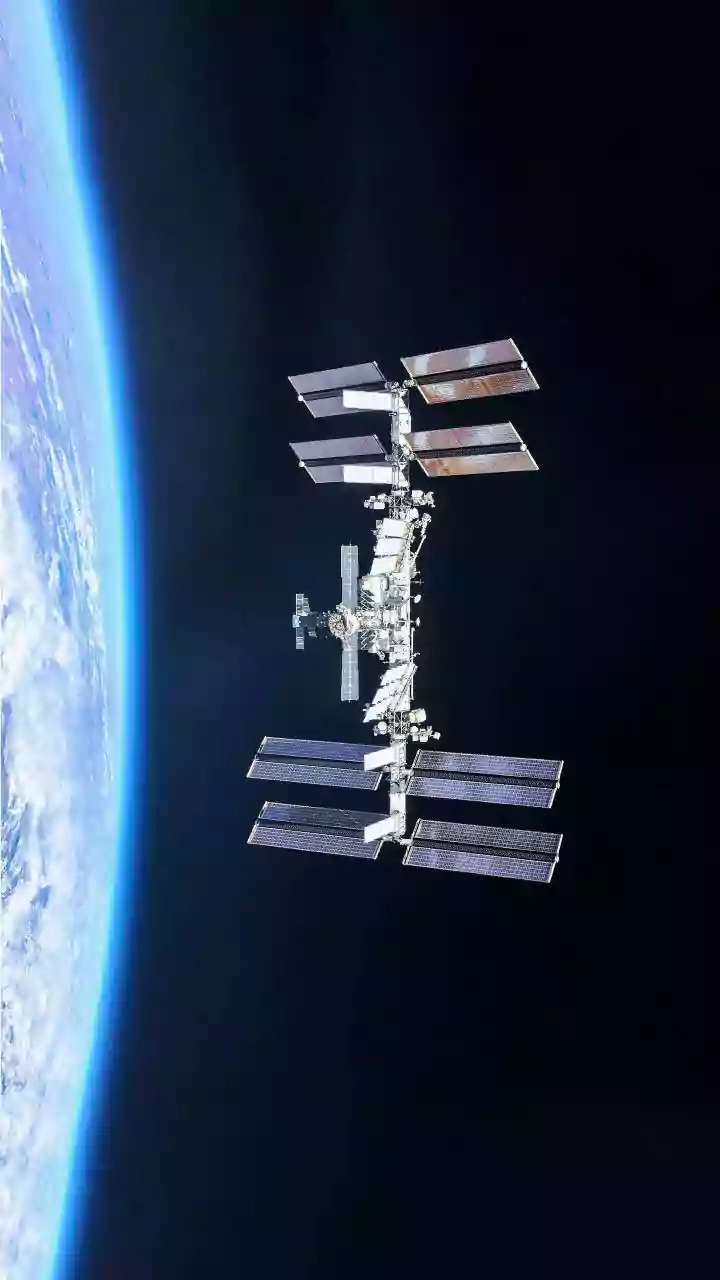
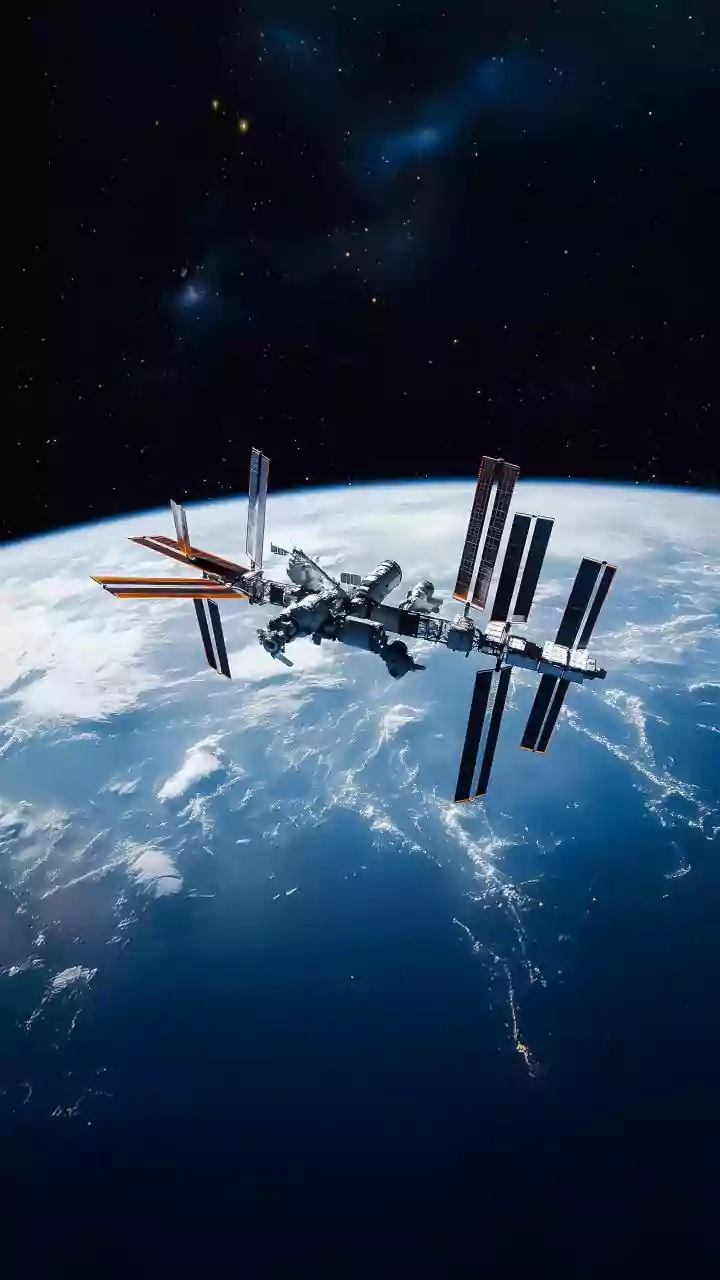
The single most expensive object ever built is the International Space Station (ISS). With a cost estimated at a staggering $150 billion, this orbital laboratory holds the Guinness World Record for the most expensive man-made object. This colossal figure
accounts for its construction, the numerous missions to assemble it, and its ongoing operational expenses over decades. To put that number in perspective, it surpasses the inflation-adjusted costs of other monumental undertakings, such as the Apollo Program which landed humans on the Moon, or the Manhattan Project which developed the first atomic bomb. The price tag isn't just for hardware; it represents one of the most complex and ambitious projects in human history.
A Global Financial Collaboration
No single nation could have shouldered the cost of the ISS alone. The station is a testament to international cooperation, primarily funded and operated by five main space agencies: NASA (United States), Roscosmos (Russia), the European Space Agency (ESA), the Japan Aerospace Exploration Agency (JAXA), and the Canadian Space Agency (CSA). The United States, through NASA, has been the largest financial contributor. The ESA’s contribution of around €8 billion is shared among ten of its member states. This partnership, forged in the 1990s after the Cold War, brought former rivals together, pooling financial resources, technology, and human expertise to build a habitat in the hostile environment of space.
Building a Football Field in Space
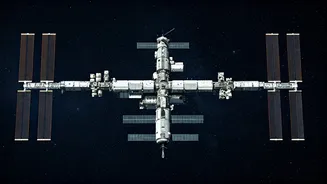
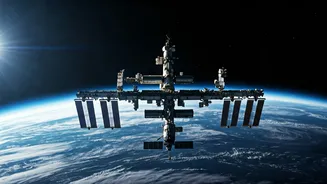
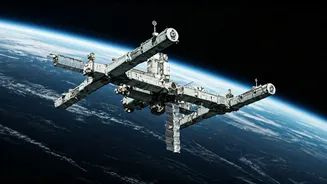
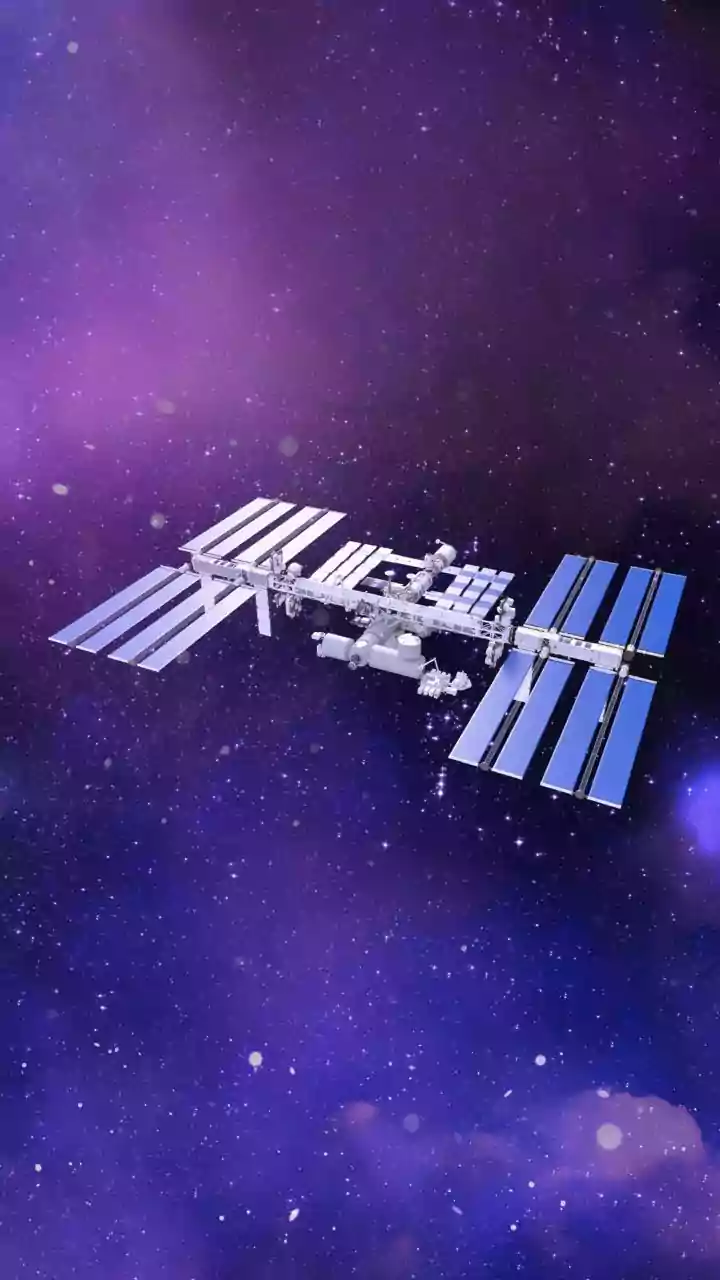
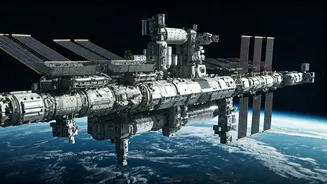
Constructing the ISS was an unparalleled logistical and engineering challenge. Launched in 1998, the station was assembled piece by piece in low-Earth orbit. Modules built in different countries across the globe were launched into space and then meticulously connected by astronauts during spacewalks. Spanning the area of an American football field, the ISS is a modular marvel. Its truss structure, massive solar arrays that power the station, and multiple pressurised modules for living and working were delivered over dozens of missions by American Space Shuttles and Russian rockets. The complexity of orbital rendezvous, docking, and construction required unprecedented precision and problem-solving, all while travelling at over 27,000 kilometres per hour.
The Priceless Return on Investment
While the financial cost is astronomical, the proponents of the ISS argue its value isn't measured in dollars. For over two decades, it has been continuously inhabited by astronauts, serving as a unique microgravity laboratory. Research conducted aboard the station has led to breakthroughs in medicine, materials science, and our understanding of how the human body adapts to long-duration spaceflight—critical knowledge for future missions to the Moon and Mars. Scientists have studied everything from crystal growth to the behaviour of fluids, research that is impossible to conduct on Earth. Beyond science, the ISS stands as a powerful symbol of peaceful international collaboration, demonstrating what humanity can achieve when nations work together.
The Future of the Final Frontier
The ISS is not eternal. Its operational life is expected to end around 2030, with a planned, controlled deorbit into a remote part of the Pacific Ocean. The process of decommissioning this massive structure is itself a complex and costly mission. However, its legacy will continue. The station has paved the way for the commercialisation of low-Earth orbit, with private companies now developing their own space stations. The lessons learned from the financial, political, and technical challenges of building and operating the ISS provide an invaluable blueprint for the next generation of ambitious space exploration projects, ensuring that its monumental investment will continue to pay dividends for decades to come.