




More Than Just Greenery
For generations, plants were a staple of Indian homes, often relegated to the balcony or a quiet corner of the garden. A pot of tulsi for prayers, or perhaps some marigolds. Today, that relationship has been radically transformed. The humble houseplant
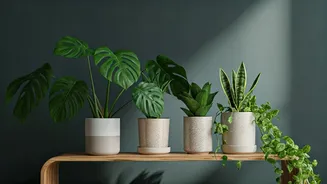
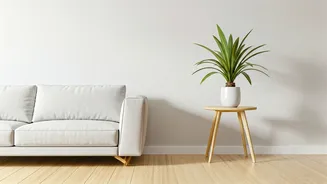
has undergone a high-fashion makeover. It’s not just about adding a splash of green anymore; it's about curating a vibe. A Fiddle Leaf Fig stands in a living room not just as a plant, but as a piece of sculpture. A string of pearls hanging from a macrame holder is as much a style choice as a designer handbag. This shift marks the evolution of plants from mere botanical specimens to carefully chosen elements of personal identity and interior design. They are living, breathing status symbols that communicate taste, care, and a connection to the natural world.
The Roots of the Trend
So, why has this green revolution taken root now? The answer lies in our increasingly urban, digital lives. As more of us, particularly millennials and Gen Z, live in apartments in bustling cities like Mumbai, Bengaluru, and Delhi, the longing for a connection to nature has intensified. This phenomenon, known as biophilia, suggests that humans have an innate need to connect with nature. Indoor plants are a direct, accessible way to satisfy that urge. They are a balm for screen-fatigued eyes and a tangible antidote to the concrete jungle. Furthermore, the wellness movement has positioned plant care as a form of mindfulness. The slow, deliberate process of watering, pruning, and watching something grow offers a welcome escape from our fast-paced, always-on culture. It’s a hobby that nurtures both the plant and the person.
The Instagram Effect
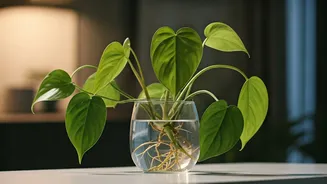
You cannot talk about the rise of houseplants without mentioning social media. Platforms like Instagram and Pinterest have been the primary greenhouses for this trend. A scroll through hashtags like #urbanjungle (with millions of posts), #plantsofinstagram, or #plantparent reveals a world of impeccably styled interiors where plants are the heroes. These platforms created a visual language for the trend, turning specific plants into viral superstars. The Monstera Deliciosa, with its iconic split leaves, became the unofficial logo of the millennial aesthetic. The vibrant Pink Princess Philodendron became a coveted luxury item. ‘Plant-fluencers’ have cultivated huge followings by sharing tips, showcasing their collections, and creating a global community of enthusiasts. This visual validation turned owning plants from a private hobby into a public declaration of style.
Welcome to Plant Parenthood
The language we use to talk about our plants says it all. We don't just own plants; we are ‘plant parents’ to our ‘plant babies’. We worry when a leaf turns yellow, celebrate new growth, and trade tips on the best fertiliser. This personification reflects a deeper emotional investment. For many young adults who may be delaying traditional life milestones like marriage or having children, caring for a plant offers a low-stakes way to practice nurturing. It provides a sense of responsibility and routine, and the reward is a visible, thriving living thing. This emotional connection is the heart of the trend. It’s not just about consumption; it’s about a relationship.
The Indian Green Wave
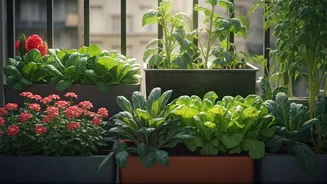
In India, this global trend has found unique expression. Urban Indians are cleverly adapting it to their spaces. Tiny balconies in Mumbai are being transformed into lush vertical gardens. Sunny Delhi terraces are becoming home to exotic and native species alike. There’s a growing market for stylish planters, organic soils, and even plant styling services that help you curate the perfect green look for your home. While traditional plants like jasmine and money plants remain popular, there’s a new appetite for global ‘it’ plants like the Snake Plant and ZZ plant, prized for their air-purifying qualities and low-maintenance appeal. This blend of global trends and local context is creating a new, vibrant aesthetic for the modern Indian home.