




Why Monsoon Is Tough on Pet Skin
When the heavens open up, the environment changes drastically for our pets. The persistent humidity and dampness create the perfect breeding ground for fungi and bacteria. Puddles, wet grass, and muddy paths mean your pet’s coat and paws are constantly
exposed to moisture. This trapped moisture, especially in dogs with thick or double coats, weakens the skin's natural barrier, making it vulnerable to a host of problems. The most common culprits during the Indian monsoon are fungal infections (like ringworm), bacterial infections (pyoderma), and painful 'hot spots'—acute moist dermatitis that can appear almost overnight. Ticks and fleas also thrive in this humid weather, adding another layer of irritation.
The Brushing Blueprint: Your First Defence
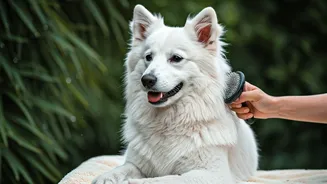
Don't underestimate the power of a simple brush. Regular brushing is crucial during the monsoon. Matted fur is a moisture trap. When fur clumps together, it prevents air from circulating to the skin, creating a warm, damp environment where infections love to grow. By brushing your pet daily, you detangle their coat, remove loose fur, and allow their skin to breathe. This simple act also helps distribute natural oils that keep the skin healthy. For long-haired breeds, this is non-negotiable. For short-haired pets, a good brushing every couple of days helps remove debris and stimulates blood circulation, keeping their skin robust and ready to fight off potential invaders.
Mastering the Post-Walk Dry-Off
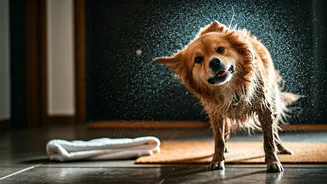
Every time your pet comes inside after a walk—even a short one on wet pavement—a thorough dry-off is essential. This is perhaps the single most important grooming habit during the rains. Start with a highly absorbent microfibre towel to soak up the excess water. Pay special attention to the belly, armpits, and groin area, where moisture tends to linger. For pets with thicker coats, a blow-dryer on a low-heat, low-speed setting can be a game-changer. Ensure the dryer is kept at a safe distance from the skin to prevent burns. The goal is to get the coat bone-dry, especially the undercoat, leaving no room for fungal or bacterial parties to get started.
Paw Care Is Non-Negotiable
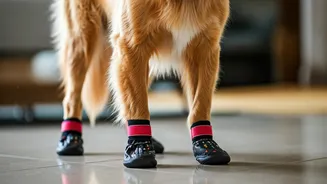
Paws are on the front line, constantly stepping in puddles and mud. This makes the delicate skin between their paw pads a prime target for infections. After every walk, wash your pet’s paws with lukewarm water and a gentle cleanser, or use pet-safe wipes. The most critical step is to dry them completely. Use a soft towel to get between each toe. Trapped moisture here can lead to painful interdigital cysts and yeast infections, causing your pet to lick and chew excessively, which only makes the problem worse. Keeping the hair around the paw pads trimmed short can also help, as it reduces the amount of mud and water they collect.
Bathing: Less Is More, but Smarter
While it seems logical to bathe a muddy pet frequently, over-bathing can strip their skin of its natural protective oils, making it more susceptible to problems. Stick to a reasonable schedule, and when you do bathe them, consider using a shampoo with mild antifungal or antibacterial properties as a preventive measure. Ask your veterinarian for a recommendation that suits your pet’s skin type. The most crucial part of bath time during the monsoon is the drying process. A damp coat after a bath is a recipe for disaster. Take the extra time to ensure they are 100% dry from skin to the tip of the fur.
When to See the Vet
Preventive grooming goes a long way, but it's also vital to know the signs of trouble. Regularly check your pet's skin for redness, rashes, bald patches, or any unusual bumps. Be alert for excessive scratching, licking, or a foul, yeasty odour. These are red flags that an infection may have already taken hold. If you notice any of these symptoms, don't wait for them to get worse. A quick trip to the vet for a proper diagnosis and treatment can prevent a minor issue from becoming a serious and painful ordeal for your beloved companion.