





You Dictate the Sugar Content
One of the biggest advantages of home brewing is managing the sugar. While sugar is essential fuel for the symbiotic culture of bacteria and yeast (SCOBY) to work its magic, commercial brands can sometimes contain surprisingly high amounts of added sugars
for flavour. When you brew your own, you control the initial amount of sugar. More importantly, you decide how long to ferment it. A longer fermentation period allows the SCOBY to consume more sugar, resulting in a tangier, less sweet beverage with a lower sugar content in the final product. This gives you the power to create a drink that perfectly fits your dietary preferences, something store-bought options can't always offer.
Choose Your Tea, Choose Your Benefits
The foundation of any kombucha is tea, and at home, you’re the head brewer. Commercial versions are typically made with standard black or green tea. But by making it yourself, you can select high-quality, organic teas to avoid unwanted pesticides or chemicals. You can also experiment with different types of tea from the Camellia sinensis plant, such as black, green, white, or oolong tea, each imparting a unique flavour profile and its own set of antioxidants. Black tea, a popular choice for beginners, provides essential nutrients for the SCOBY and creates a robust flavour. Green tea offers a lighter taste and is packed with its own beneficial compounds. This level of choice allows you to tailor not just the taste, but the potential health properties of your brew.
Unleash Your Inner Flavour Artist
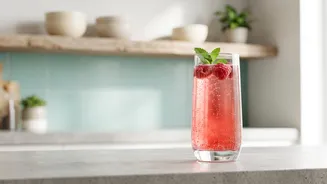
This is where home brewing truly shines. While store-bought kombucha comes in various flavours, you're limited to what's on the shelf. At home, the possibilities for flavouring during the second fermentation are nearly endless. You can infuse your brew with fresh or frozen fruits like berries, peaches, or pineapple, and add herbs such as mint, basil, or lavender. Spices like ginger, cinnamon, and turmeric can add warmth and complexity. By using whole ingredients, you avoid the artificial flavourings, concentrates, and preservatives that can be present in some commercial products. This control lets you create custom-designed, vibrant flavours that are entirely your own.
Ensure Probiotic Purity and Potency
Homemade kombucha is a living beverage, teeming with a diverse range of beneficial bacteria and yeasts. When you brew at home, you are creating a raw, unpasteurized product. Some commercial brands pasteurize their kombucha to make it shelf-stable, a process that can kill off the very probiotics that make it a functional beverage. While some companies may add probiotics back in after pasteurization, it may not replicate the complex ecosystem created during natural fermentation. Brewing your own ensures you are getting a truly raw beverage with a robust and diverse colony of microorganisms.
A Note on Safe Brewing
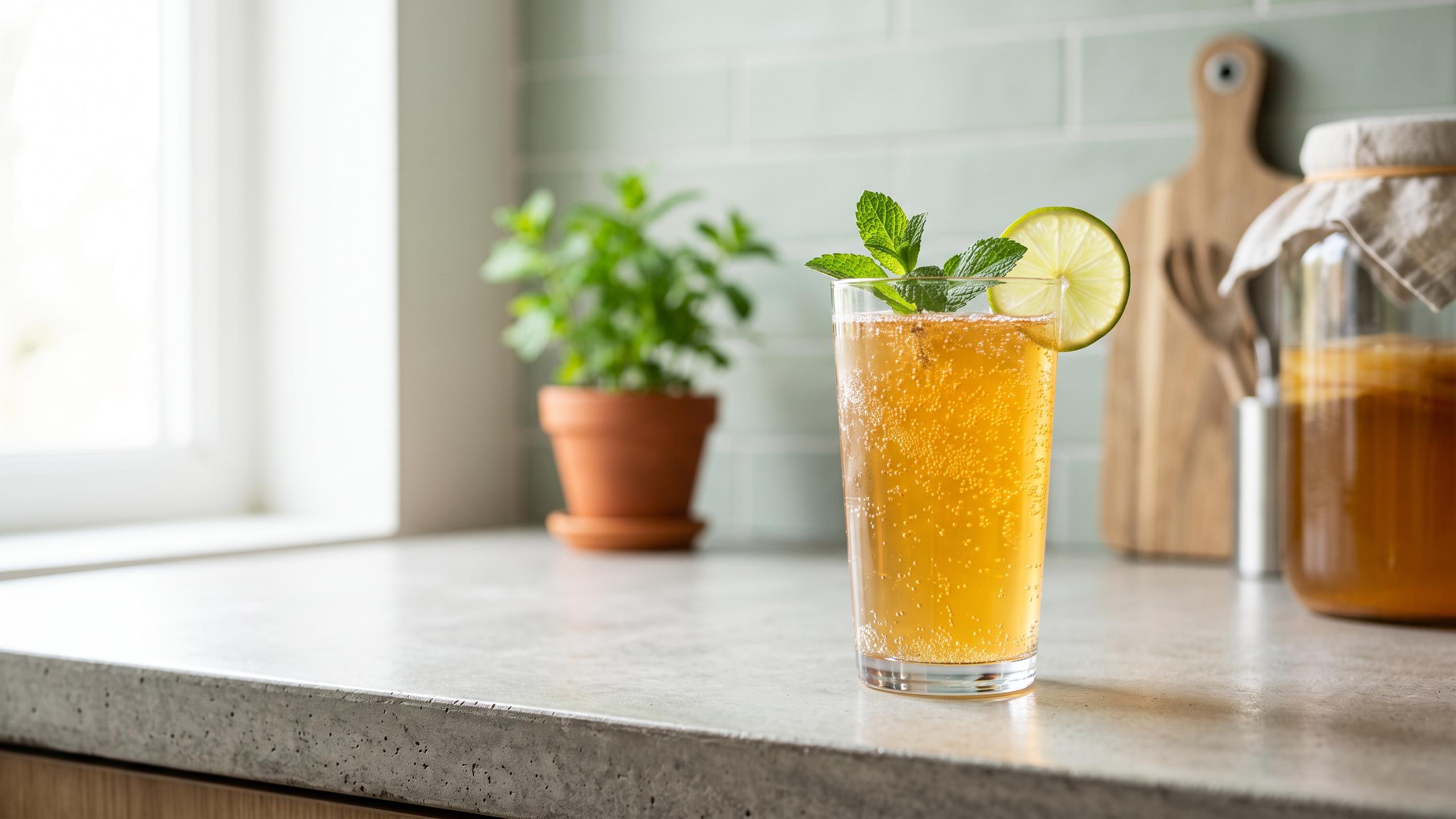
With great control comes great responsibility. The key to safe home-brewed kombucha is cleanliness. Always start with thoroughly sanitized equipment—jars, bottles, and utensils—to prevent the growth of harmful moulds or bacteria. Use a high-quality SCOBY from a trusted source for your first batch. During fermentation, cover your brewing jar with a clean, breathable cloth secured with a band to allow airflow while keeping contaminants and pests out. It's also important to monitor the pH level, as the acidity helps create a safe environment that's inhospitable to pathogens. If you ever see fuzzy mould on your SCOBY or the brew has an off smell, it's best to discard the batch and start fresh.