






How AI Sees Your Skin
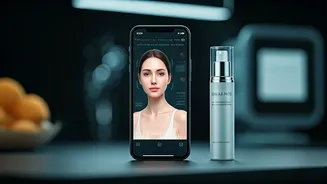
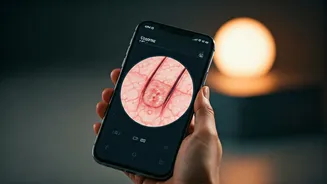
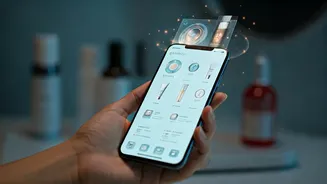
At its core, an AI skin analysis app uses your phone's camera to power a sophisticated process. When you upload a selfie, the image is processed by machine learning models. These models, specifically a type of AI called computer vision, are trained on vast
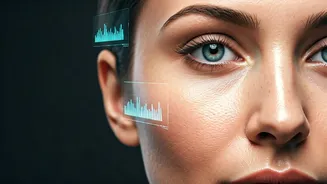
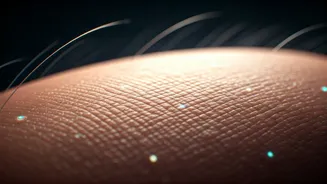
databases containing millions of images of skin. They learn to identify and classify various features like spots, fine lines, texture, pigmentation, and pores. The AI analyses visual characteristics like colour, symmetry, and texture, comparing them to the patterns it learned from its training data to generate a report on your skin's condition. The entire process, from photo to analysis, can take less than a minute. This allows the app to provide a detailed, data-driven assessment of your skin health, a far cry from generic online quizzes.
The Evolution from Simple Scanners to Smart Analysis
Early versions of these apps were much simpler, often using basic algorithms that were easily thrown off by poor lighting or real-world photo conditions. The real game-changer has been the evolution of the AI itself. Modern apps are moving from older convolutional neural networks (CNNs) to more advanced architectures like vision transformers. These newer models are trained on much larger and more diverse datasets, which allows them to understand skin with greater nuance. This continuous learning process is key; the more high-quality, expertly-labelled images an AI is trained on, the better it becomes at accurately identifying conditions. Top-tier platforms in 2026 boast accuracy rates above 94% for many common conditions under ideal circumstances, a significant improvement from just a few years ago. This constant refinement means the apps are not static; they are actively getting better at their job over time.
The Crucial Challenge of Diverse Skin Tones
A major hurdle for AI in dermatology is ensuring it works for everyone, regardless of their skin tone. Historically, many AI models were trained on datasets that predominantly featured lighter skin, leading to significant accuracy gaps for people with darker skin. This is a critical issue in India, where skin tones are incredibly diverse. A recent study conducted in Hyderabad found that the diagnostic accuracy of several popular AI apps declined with darker Fitzpatrick skin types, performing poorly for pigmentary disorders like vitiligo that are more common or visible in Indian skin. While the top-performing app in the study showed an overall accuracy of nearly 60%, the results highlight a clear bias. Leading developers are now actively working to correct this by training their models on more inclusive datasets that represent all skin tones, which is essential for these tools to be truly useful and equitable.
A Powerful Tool, Not a Replacement Doctor
The benefits of these apps are clear: they make skincare advice more accessible, help users track their skin's progress over time, and can offer personalised product recommendations. They can be powerful tools for early screening and monitoring, especially in a country like India where the number of dermatologists per capita is low. However, the risks are just as real. A misidentified mole or rash could lead to either unnecessary panic or a false sense of security. Furthermore, these apps lack the holistic view of a human doctor, who considers factors like your medical history, lifestyle, and other symptoms. Data privacy is another significant concern, as you are uploading sensitive health and image data to a third party. For this reason, experts are unanimous: these apps are a supplementary tool for education and monitoring, not a substitute for a professional diagnosis from a qualified dermatologist.