

From Showpiece to Hardest-Working Room
Not long ago, the primary living area in many Indian homes was a pristine, formal space. It was the ‘baithak’ or drawing room, often featuring the best sofa set and protected by plastic covers, awaiting the arrival of important guests. Day-to-day life
happened elsewhere. That model is rapidly fading. With shrinking apartment sizes in urban centres and the widespread adoption of work-from-home routines, families are demanding more from every square foot. The post-pandemic era cemented this shift, forcing a reckoning with how our homes truly function. The living room stopped being a static backdrop and became the most dynamic environment in the house, where work, life, study, and leisure collide.
What 'Flexible Living' Actually Means
Flexible design is more than just an open-plan layout; it's a philosophy of adaptability. It’s about creating a space that can transform based on the needs of the moment. For an Indian household, this could mean clearing the floor for a festive puja in the morning, creating a focused workspace in the afternoon, and setting up for a large family gathering in the evening. This is achieved through clever zoning and versatile furniture. Designers now use rugs, distinct lighting schemes, or even movable partitions to create visual zones for different activities within a single room, avoiding the permanence of walls. The goal is to support the many roles a modern living room plays without it descending into chaos.
The Building Blocks of a Fluid Space
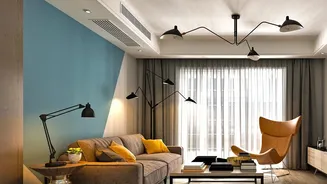
Creating a flexible layout starts with a few core principles. First is the rejection of the rigid, matching five-piece furniture set. Instead, designers advocate for a curated mix of pieces that can be moved and reconfigured. Think a primary sofa paired with lightweight armchairs, floor cushions, or traditional diwans that can be arranged as needed. Furniture with clean lines and visible legs helps create a sense of openness, making even small rooms feel less crowded. Another key element is embracing curves over sharp edges; rounded sofas and oval coffee tables are easier to navigate around and make a space feel more fluid and welcoming.
Smart Furniture: Your Secret Weapon
Multifunctional furniture is the hero of the flexible living room. As urban homes get more compact, furniture is being asked to perform double or even triple duty. Lift-top coffee tables that transform into workstations or dining surfaces are increasingly popular. Sofa-beds, once relegated to guest rooms, are now stylish primary seating options in many living rooms. Other game-changers include nesting tables that can be separated for guests and stacked away after, ottomans with hidden storage, and modular sofas that can be broken up or reconfigured to suit any occasion. This type of smart, hardworking furniture allows homeowners to maximize utility without sacrificing style.
Weaving Tradition into Modernity
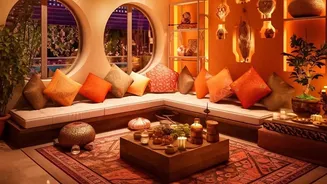
This shift towards flexibility doesn't mean abandoning cultural roots. In fact, it’s about finding new ways to integrate them. Many modern layouts now incorporate a dedicated ‘pooja’ or prayer nook within the living area, often delineated by a decorative screen or a shift in materials. The Indian tradition of hospitality, epitomized by the phrase 'Atithi Devo Bhava,' is also central to this new design approach. A flexible layout ensures there’s always room to welcome guests, whether it involves adding extra seating or simply creating an open, inviting atmosphere. This blend is also seen in materials, with a return to durable, traditional woods like teak and sheesham, and handcrafted details that add personal, culturally rooted stories to a contemporary space.