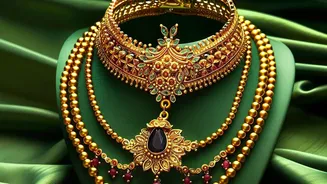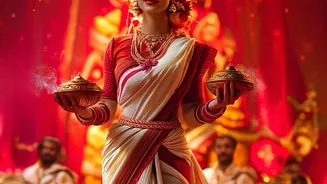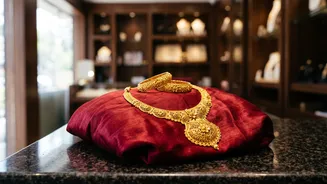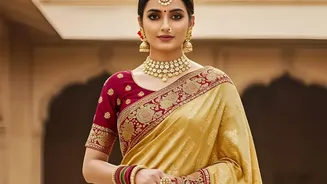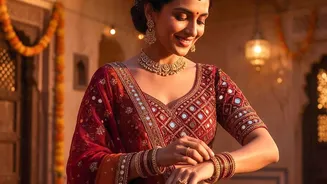

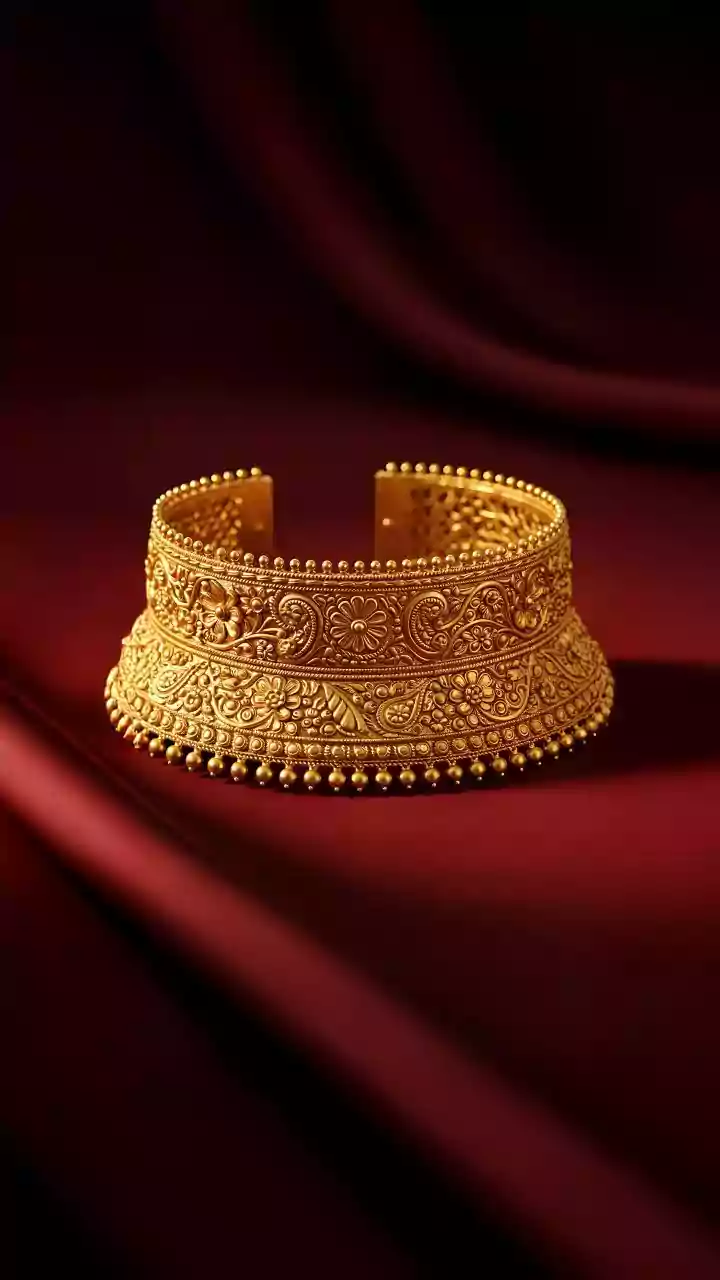




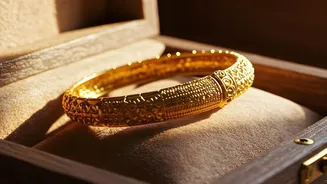
In India, gold is more than a precious metal; it's an emotion cast in metal. It functions as a complex language of wealth, security, and social standing, deeply woven into the fabric of family traditions and cultural milestones.
More Than Just an Ornament
For centuries, gold has
been a cornerstone of Indian culture, symbolising not just wealth but also purity, prosperity, and divine blessings. Its significance is rooted in ancient history, where rulers and dynasties measured their power in gold and temples were adorned with it as offerings to deities. This reverence has trickled down through generations, making gold an inseparable part of household traditions. It represents a family's success and stability, a public display of private wealth that communicates status without a word being spoken. This deep-seated belief means that even in modest households, possessing gold is a source of immense pride and a marker of honour.
The Currency of Trust and Tradition
In a society with a historical distrust of formal institutions, gold has long served as the ultimate safety net. It is viewed as a reliable and portable form of security, a tangible asset that can be liquidated during emergencies like medical crises or economic distress. This makes the act of buying gold less a cultural quirk and more a rational response to uncertainty. Families pass down jewellery as heirlooms, embedding them with sentimental value and ancestral memories that far exceed their market price. These pieces become threads connecting generations, carrying stories and blessings from a mother to her daughter, solidifying family bonds.
A Bride’s Honour and Security
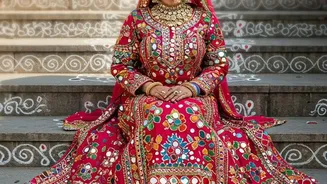
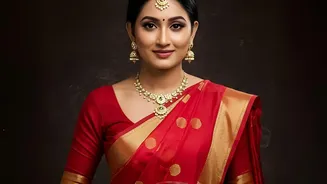
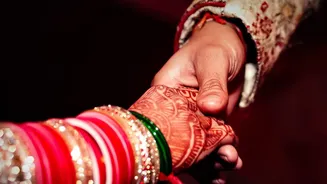
Nowhere is the role of gold as social capital more visible than in an Indian wedding. The quantity of gold a bride wears is often seen as a direct reflection of her family's social and economic standing. These ornaments, often gifted by her parents, are not merely for adornment; they represent her financial security as she begins a new life and are considered 'stridhan'—her personal wealth. Pieces like the mangalsutra, a gold necklace the groom ties around the bride's neck, are sacred symbols of the marriage, believed to bring luck and a long life to the couple. Gifting gold is a way for families to showcase their generosity and solidify their social ties within the community.
An Auspicious Investment
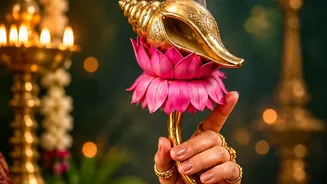
Gold is deeply intertwined with spirituality and auspiciousness in Indian culture. It is closely associated with Goddess Lakshmi, the deity of wealth and prosperity, making its purchase a way to invite her blessings. Festivals like Dhanteras, Diwali, and Akshaya Tritiya are considered especially auspicious times to buy gold, with the belief that it will bring good fortune and multiply wealth throughout the year. This cultural and religious significance ensures that the demand for gold remains high, often irrespective of fluctuating market prices, as its value is measured in blessings and tradition as much as in rupees.
Modern Twists on an Age_Old Tradition
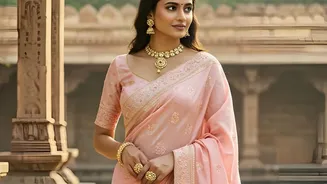
While the core significance of gold remains unchanged, modern India is witnessing an evolution in its relationship with the yellow metal. Younger generations are beginning to balance tradition with contemporary aesthetics, opting for minimalist, design_led pieces suitable for daily wear rather than heavy, traditional sets reserved for lockers. The perception of gold is also shifting from a passive heirloom to an active financial instrument. Families are more aware of market prices and are exploring modern investment avenues like Gold ETFs and Sovereign Gold Bonds. This reflects a blend of respecting an age_old legacy while adapting it to the financial realities of a new era.