


Mahabaleshwar: The Queen of Hill Stations
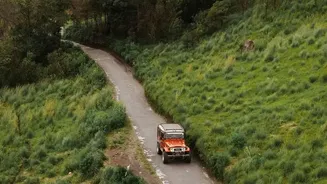
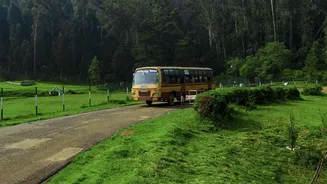
Mahabaleshwar is a classic getaway, especially for those in Mumbai and Pune. After the heavy rains, the hill station is a paradise of lush greenery and full-flowing waterfalls. The drive itself is a major part of the experience. The most common route
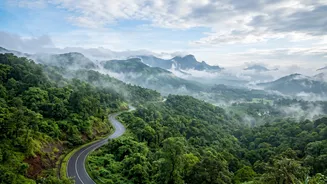
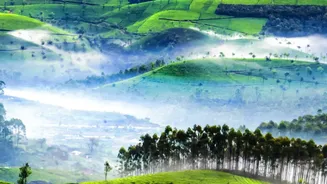
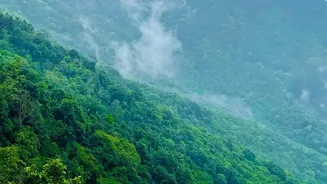
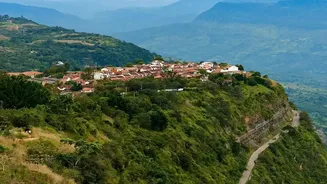
from Mumbai or Pune is via the Mumbai-Pune Expressway (NH48) towards Satara, before turning off at Wai. This roughly 260 km journey from Mumbai takes about 5-6 hours. The climb through the Wai and Panchgani ghats is scenic, with valleys shrouded in mist and roads lined with dense foliage. Post-monsoon, the weather is pleasant, with daytime temperatures perfect for sightseeing. The main viewpoints like Arthur's Seat, Kate's Point, and Elephant's Head Point offer spectacular, clear views of the valleys and the Savitri River gorge, which are often obscured by fog during the peak monsoon. The waterfalls are a prime attraction during this season. Lingmala and Dhobi waterfalls, energised by the rains, are majestic sights. A boat ride on Venna Lake, which can be interrupted by heavy rain in the preceding months, becomes a serene experience.
Satara: The Plateau of a Million Flowers
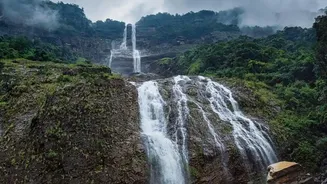
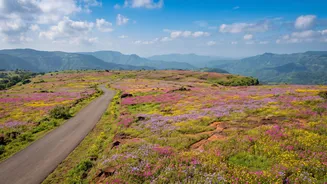
Just a short drive from Mahabaleshwar lies the district of Satara, home to a unique post-monsoon spectacle: the Kaas Plateau. Recognised as a UNESCO World Heritage site, this volcanic plateau bursts into a carpet of over 850 species of wildflowers for a few weeks between late August and early October. The drive from Pune to Satara is about 3-4 hours, covering roughly 130 km. From Satara, Kaas is another 25 km away. While planning this trip, timing is everything. The peak bloom typically occurs in September. Beyond the plateau itself, the region offers other stunning post-monsoon sights. The Thoseghar Waterfalls, a series of cascades with one dropping from 200 metres, are at their most powerful and dramatic right after the rains. Nearby, the Chalkewadi Windmill Farms offer a surreal landscape, with giant turbines spinning amidst the mist-laden hills. Combining a visit to Kaas with Thoseghar falls and the historic Sajjangad Fort makes for a packed and rewarding itinerary.
Coorg: The Scotland of India
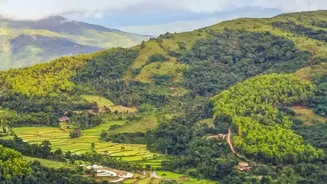
For those in the south, a road trip to Coorg (Kodagu) after the monsoon is a journey into a world of coffee plantations, spice gardens, and mist-covered hills. The most popular starting point is Bangalore, about 250-270 km away, making for a 5-6 hour drive. The most common route is via the Mysore-Madikeri Highway (NH275), which is generally well-maintained. This path takes you through towns like Ramanagara, Mandya, and Kushalnagar. Post-monsoon, between October and March, is considered an ideal time to visit for clear weather and pleasant sightseeing. Key attractions along the way include the Namdroling Monastery in Bylakuppe, a stunning Tibetan settlement, and the Dubare Elephant Camp, where you can see elephants by the river. Once in Coorg, the landscape is incredibly lush. Abbey Falls is a must-visit, as the water flow is still impressive after the rains. Raja's Seat in Madikeri provides panoramic sunset views over the rolling green hills. The drive itself is a highlight, with winding roads cutting through dense forests and endless coffee estates, making it a truly immersive natural experience.