




The Modern Challenge, The Timeless Tradition
Navratri is a time of immense devotion, celebrated over nine nights dedicated to the forms of Goddess Durga. This year, Sharad Navratri will be observed from October 11 to October 19, 2026, culminating in Dussehra on October 20. For many families, an essential
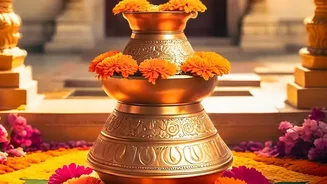
part of the celebration is setting up a sacred space for daily puja, often including Ghatasthapana (the installation of a sacred pot) on the first day. However, in compact city apartments, dedicating an entire room for worship is a luxury most cannot afford. This has sparked a trend in home interiors: the rise of the stylish, space-efficient prayer corner that blends seamlessly into a living room, hallway, or even a quiet nook, proving that devotion doesn't need a grand space, just a thoughtful one.
Find Your Sacred Spot
Before you design, you must decide on the location. According to Vastu Shastra, the northeast corner of the home, known as the Ishan Kona, is the most auspicious direction for placing a mandir. If this isn't feasible, the north or east walls are also considered excellent alternatives. The key is to choose a quiet spot away from heavy foot traffic and distractions. Avoid placing your prayer unit under a staircase, adjacent to a bathroom wall, or in a bedroom, if possible, as these areas are not considered ideal for maintaining sacred energy. Even a small, unused corner of the living room can be transformed into a powerful spiritual zone with the right setup.
Go Vertical with Wall-Mounted Mandirs
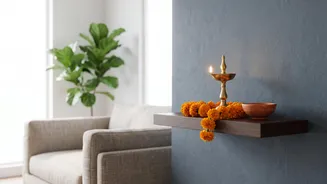
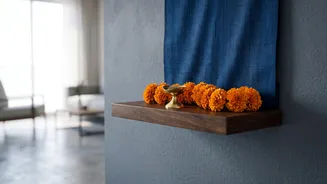
The most popular solution for small flats is the wall-mounted mandir. These units save precious floor space and can be installed in a living room or hallway, creating an elevated and distinct prayer area. Modern designs come in various materials, from traditional carved wood to sleek minimalist finishes with glass or acrylic shutters. Many include small drawers or shelves for storing essentials like incense, camphor, and prayer books, keeping the space organised and clutter-free. Another clever option is using floating shelves to create a tiered altar, which allows you to display idols and other sacred items without a bulky cabinet.
Essential Elements for Navratri Puja
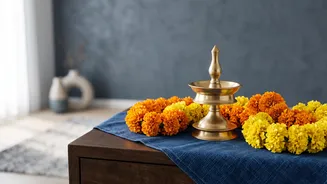
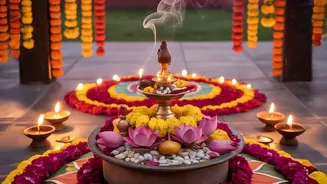
A Navratri puja corner doesn't need to be elaborate, but it should contain a few key items. The centrepiece is typically an idol or image of Goddess Durga. Other essentials include a Kalash (pot), often filled with holy water and topped with mango leaves and a coconut, a diya (lamp), incense, and fresh flowers like marigolds. To keep the setup compact, use smaller idols and a modest-sized Kalash. A beautiful, vibrant cloth, like a red dupatta or sari, can be used as a backdrop to define the space and add a festive feel. Arrange these items neatly, ensuring the area feels serene and uncluttered.
Create Ambiance with Lighting and Decor
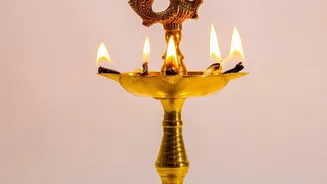
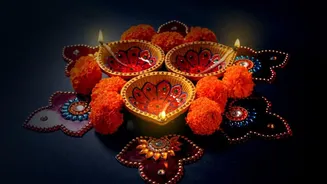
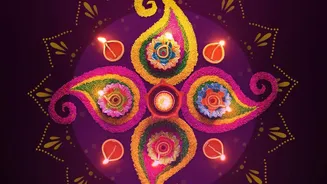
Lighting is crucial for creating a divine atmosphere. Instead of harsh overhead lights, opt for soft, warm lighting. Warm LED strips tucked behind a shelf or a small spotlight focused on the main idol can create a gentle glow. Traditional brass lamps or even strings of fairy lights can add a magical touch. For decor, think minimal but impactful. A small, fresh flower garland each day, a simple rangoli on the floor or a platform, and the use of brass or copper items can evoke a traditional and sacred feeling without taking up much room. The fragrance of fresh flowers and incense will complete the serene environment.