






An Idea Centuries in the Making
The link between coffee and work is not a new phenomenon. Historically, coffeehouses in the 17th and 18th centuries, from London to the Middle East, were dubbed 'penny universities'. They were buzzing hubs for intellectuals, merchants, and artists to conduct
business, exchange ideas, and socialise. These early establishments offered a public space for work and conversation, an alternative to rowdy taverns. While the tools have changed from inkwells to laptops, the fundamental need for a communal space for productivity and connection has remained, setting the stage for the modern café's evolution.
The Digital Revolution and Rise of Remote Work
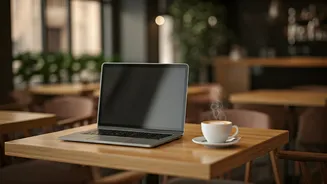
The true tipping point arrived with technology. The widespread availability of Wi-Fi in the early 2000s, paired with portable laptops, transformed social venues into potential workspaces almost overnight. This tech-fueled shift coincided with the rise of the gig economy, freelancing, and flexible work arrangements, especially in urban India. Professionals, no longer tethered to a physical office, began seeking cost-effective alternatives. The recent global pandemic normalised remote work on an unprecedented scale, solidifying the café's role as a viable and desirable workspace for a new generation of workers in cities like Bengaluru, Mumbai, and Pune.
The Allure of the 'Third Place'
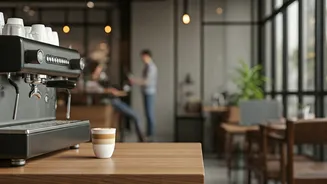
The café's appeal goes beyond free Wi-Fi. It perfectly embodies the concept of the "third place," a term coined by sociologist Ray Oldenburg to describe social environments separate from home (the first place) and the office (the second place). For many, home comes with distractions like family duties and household chores, while the traditional office can feel rigid. Cafés offer a perfect middle ground: a space with enough ambient noise to boost creativity for some, but without the pressures of a formal workplace. They provide a sense of community and connection, helping to combat the isolation that can come with working from home.
A Business Model in Flux
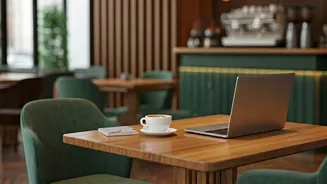
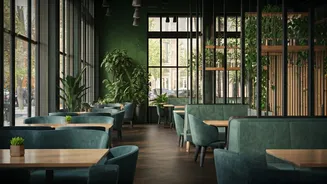
This trend has created a complex economic relationship between cafés and their new clientele. On one hand, remote workers provide steady daytime business, especially on traditionally slower weekdays. Many cafés have adapted by adding more power outlets, designing comfortable seating, and even creating designated quiet zones. However, the model is not without its challenges. The phenomenon of "laptop squatting"—where a customer occupies a table for hours with a minimal purchase—can strain profitability. This has led some establishments to implement time limits or even ban laptops to balance the needs of lingerers and those just stopping by for a quick coffee.
The Indian Context and the Future
In India, the café-work culture is booming, particularly among Millennials and Gen Z. For this demographic, a café is a lifestyle statement—a place for work, networking, and socialising all in one. Brands are responding by curating multi-sensory experiences, from artisanal coffee and sustainable sourcing to thoughtful interior design and community events. This has even given rise to 'café towns' in destinations like Goa and Himachal Pradesh, which attract digital nomads with a blend of connectivity and quality of life. As hybrid work models become a permanent fixture, the evolution of the café continues. Some are blending into hybrid coworking models with membership perks, ensuring their place not just as a coffee shop, but as an essential hub in the future of work.