




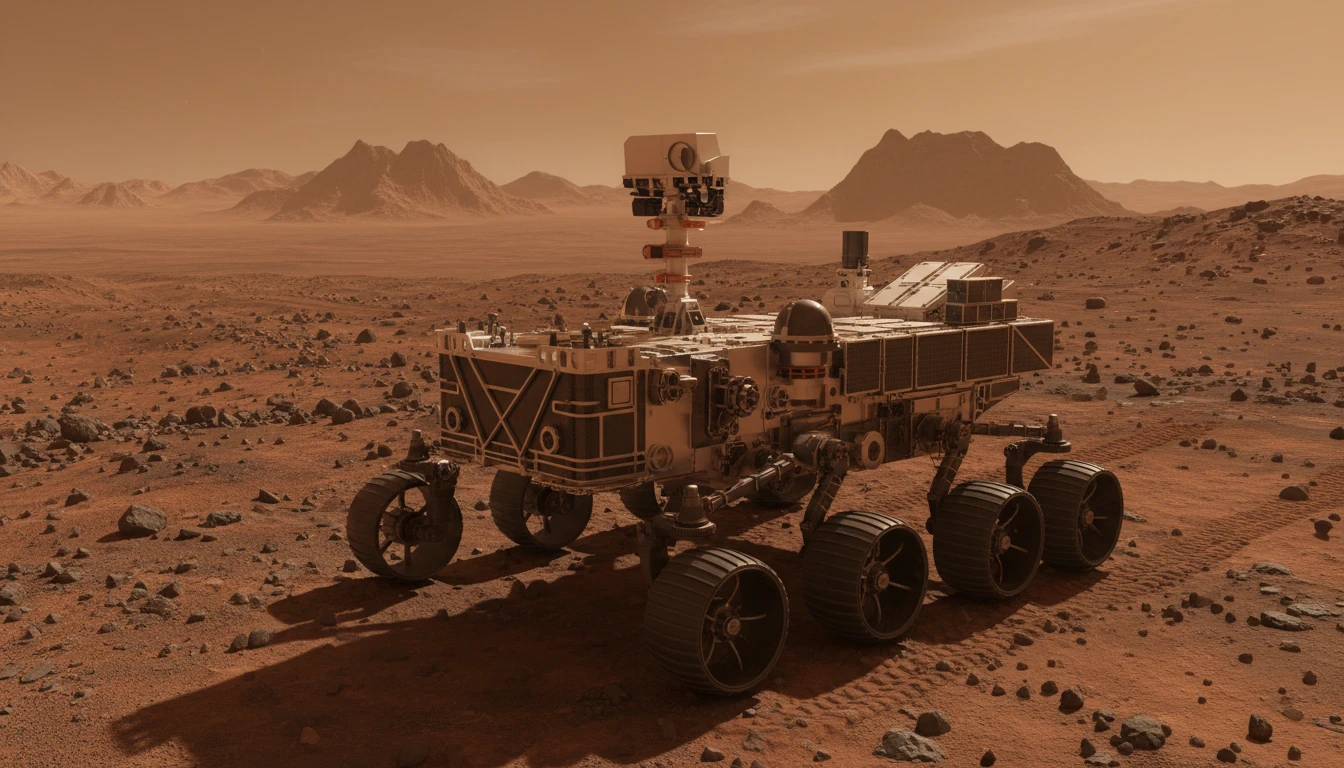


A New Playbook for Mars
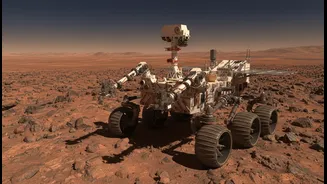
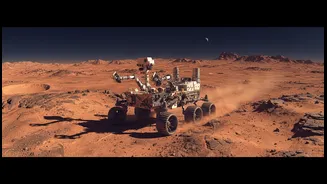
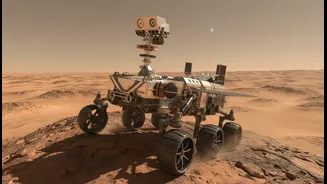
NASA's iconic rovers, like Curiosity and Perseverance, have been monumental successes, but they are complex and costly projects. To increase the frequency of missions and explore areas previously out of reach, the agency has launched the Science Transport
and Robotic Innovation for Deployment and Exploration (STRIDE) initiative. The goal is to move away from the single-rover model and toward a diverse ecosystem of machines, from aerial drones to specialized ground vehicles. By partnering with the private sector through contracts totalling around $17 million, NASA is tapping into commercial innovation to build robots that can traverse steep crater walls, explore caves, and cover more ground than ever before.
AeroVironment: Masters of the Martian Skies
If you were impressed by the Ingenuity helicopter, the first aircraft to achieve powered flight on another planet, then you already know AeroVironment's work. As a key collaborator on that groundbreaking mission, the Virginia-based company has unparalleled experience in designing vehicles that can fly in Mars's incredibly thin atmosphere. Their inclusion in the STRIDE program signals NASA's commitment to building on Ingenuity's legacy, likely developing more advanced and capable aerial scouts that can map terrain and gather data from a bird's-eye view, acting as partners for ground-based robots.
Honeybee Robotics: The Digging and Drilling Experts
Exploring what lies beneath the Martian surface is crucial for finding signs of past life and assessing resources like water ice. That's where Honeybee Robotics comes in. For decades, this company has been NASA's go-to partner for creating robotic drills, scoops, and sample collection systems. Their technology has been a part of numerous missions, and their expertise will be vital in creating robots that can do more than just look at the surface. For STRIDE, their role will likely involve developing systems that can dig into the Martian soil and rock to analyze its composition.
Astrobotic: From the Moon to Mars
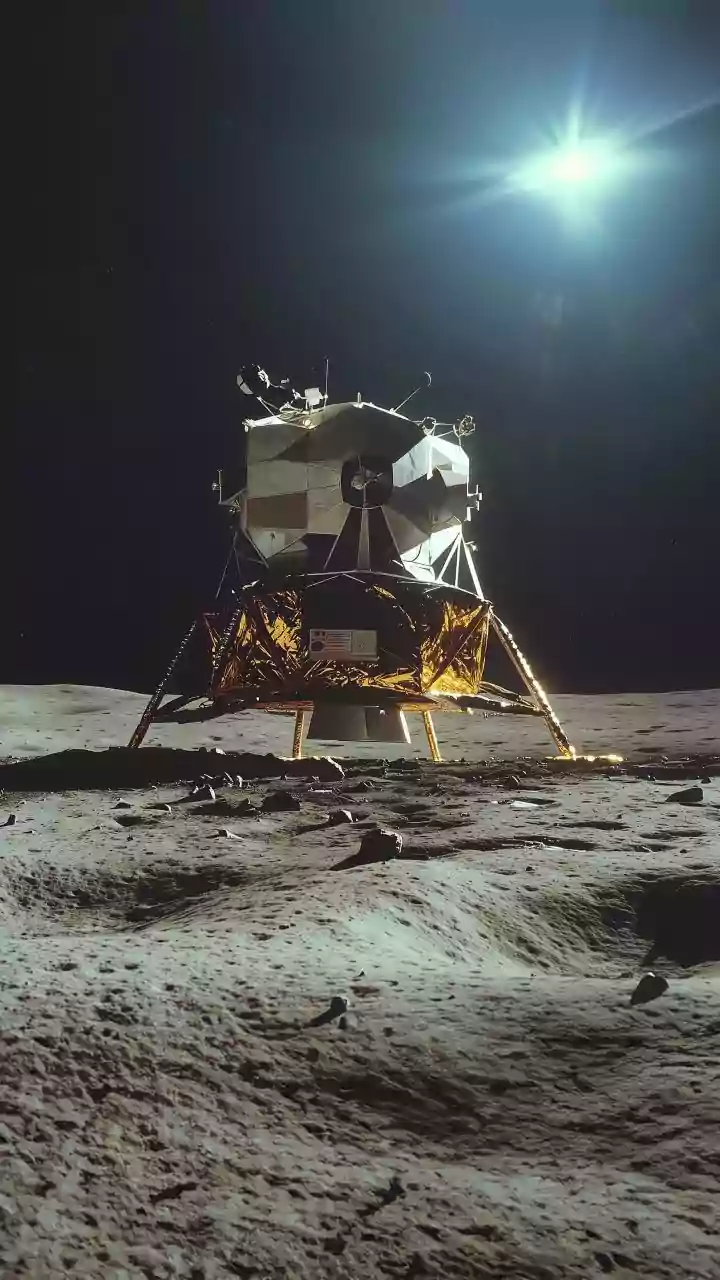
Pittsburgh's Astrobotic is a major player in the commercial lunar race, developing landers to deliver payloads to the Moon's surface. This experience is directly transferable to Mars. Landing softly on another celestial body is one of the biggest challenges in space exploration, and Astrobotic has honed its expertise through NASA's commercial lunar programs. Their selection for STRIDE suggests they will work on concepts for reliably delivering scientific instruments and smaller rovers to the Martian surface, potentially at a lower cost than traditional methods.
Intuitive Machines: Landing and Logistics Specialists
Much like Astrobotic, Houston-based Intuitive Machines is another veteran of the commercial lunar landing scene. Having successfully put landers on the Moon, the company understands the complex dance of navigation, descent, and landing required for interplanetary missions. Their involvement in STRIDE brings another experienced hand to the problem of creating a reliable and repeatable delivery service for Mars. This focus on logistics is key to NASA's vision of more frequent, lower-cost scientific missions to the Red Planet.
Venturi Astrolab: Reimagining the Rover
While some companies focus on flight and landing, California's Venturi Astrolab is focused on building the next generation of rovers. The company is known for its forward-thinking designs, including concepts for large, flexible rovers that can carry astronauts or heavy cargo. By bringing their innovative approach to vehicle design to the STRIDE program, they will help NASA envision robotic explorers that are more versatile and capable than their predecessors, able to handle the rugged, unpredictable terrain that makes up much of Mars.
Ground Control Robotics and MEI Technologies
Rounding out the list are Ground Control Robotics and MEI Technologies, representing the diverse field of expertise NASA is pulling from. These firms bring specialized skills in robotics, aerospace engineering, and systems integration. Their inclusion underscores STRIDE's strategy: fostering a competitive and creative environment by bringing in both established aerospace giants and smaller, agile innovators. Together, they will help develop the foundational technologies for the systems that will explore Mars for decades to come, ensuring a broad and resilient industrial base for planetary exploration.