




A Landscape Reawakened
Spanning across Gujarat, Maharashtra, Goa, Karnataka, Kerala, and Tamil Nadu, the Western Ghats undergo a dramatic transformation from June to September. This UNESCO World Heritage site, a global biodiversity hotspot older than the Himalayas, sheds its
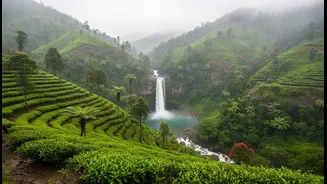
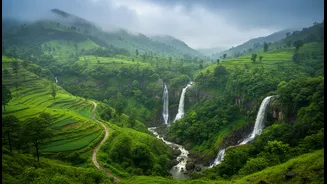
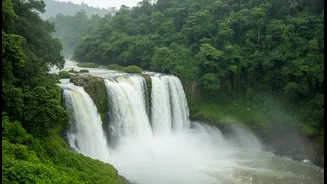
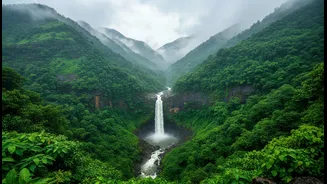
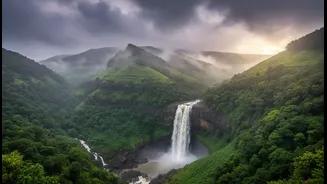
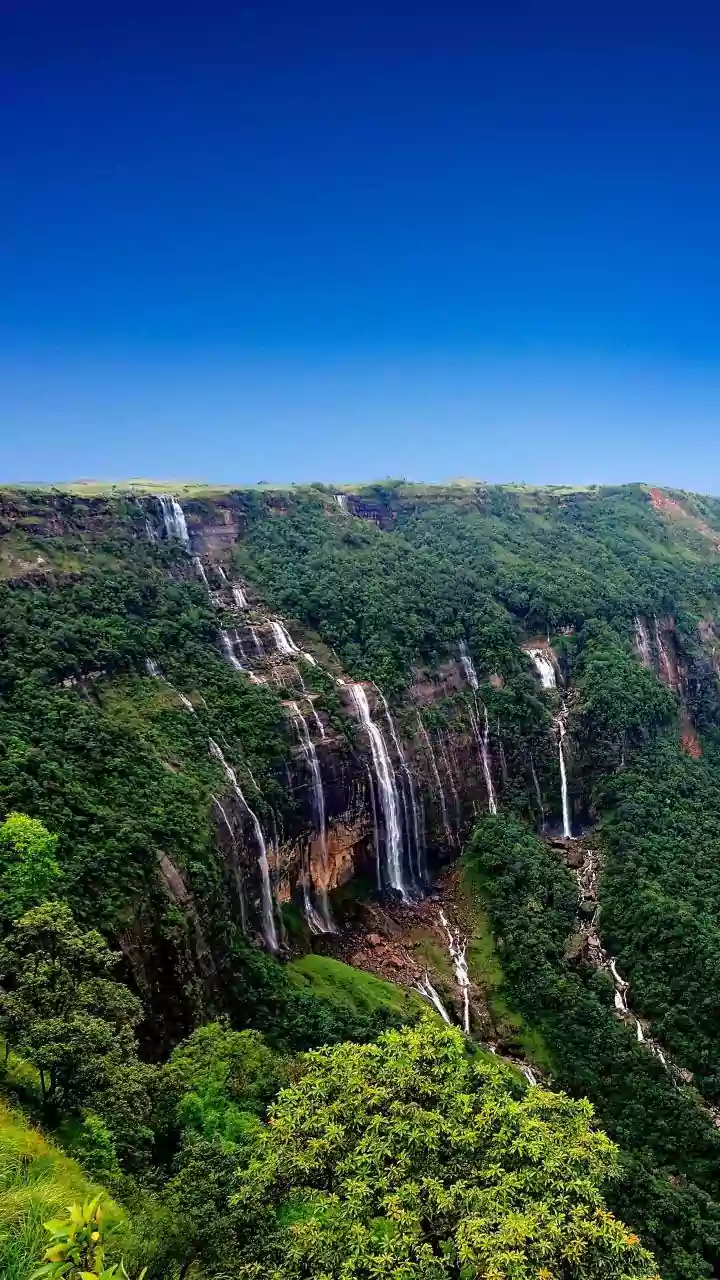
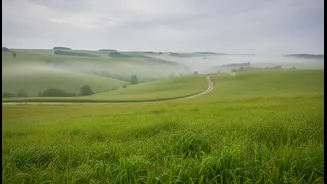
dry slumber and bursts into life. The mountains, which shape India's monsoon, come alive with a primal energy. Valleys that were quiet become home to countless gushing waterfalls, some roaring giants and others shy streams trickling down rock faces. The entire ecosystem seems to exhale, with rivers swelling, forests becoming denser, and the landscape draped in a vibrant, living green carpet.
A Symphony for the Senses
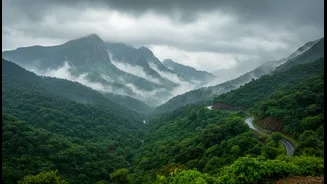
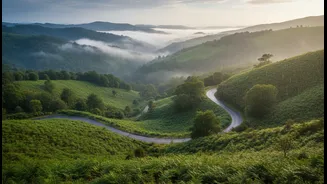
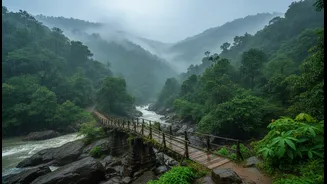
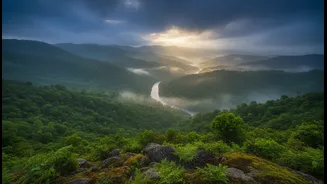
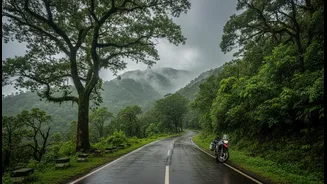
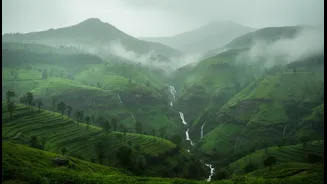
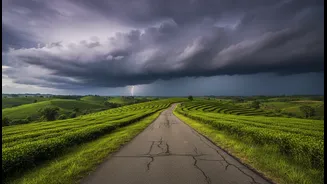
A monsoon trip here is more than just sightseeing; it's a full sensory immersion. The air is thick with the fragrance of petrichor, wild ginger, and blooming flowers. The soundtrack is a constant, soothing rhythm of falling rain, punctuated by the chorus of frogs that emerge for their breeding season and the distant roar of a waterfall. Visually, it's a painter's dream. Clouds play hide-and-seek with the peaks, rolling through valleys and wrapping roads in a thick, ethereal fog that can appear and vanish in moments. This mystical atmosphere turns a simple drive or walk into an unforgettable experience, making you feel like you are moving through a living, breathing painting.
Iconic Monsoon Drives and Destinations
The journey is often as spectacular as the destination. The drive through Malshej Ghat in Maharashtra becomes a passage through clouds and waterfalls. Hill stations like Mahabaleshwar, Lonavala, and Khandala, popular getaways from Mumbai and Pune, are at their scenic best, with lush viewpoints and overflowing lakes. Further south, Coorg and Chikmagalur in Karnataka offer misty mornings over sprawling coffee estates, while Wayanad and Munnar in Kerala captivate with their dense rainforests and verdant tea plantations. Destinations like Agumbe, known as the 'Cherrapunji of the South', offer an intense monsoon experience, with biodiversity trails that reveal the region's hidden life after dark.
Beyond the Beaten Path
While popular spots are beautiful, the monsoon also opens up unique experiences for the more adventurous. Travellers are increasingly signing up for naturalist-led frog walks in Wayanad and Amboli, or firefly-spotting trails in the Sahyadris around Bhandardara and Igatpuri. These activities offer a deeper appreciation for the delicate ecosystems that thrive during the rains. Treks to lesser-known waterfalls like Sathodi and Unchalli in Karnataka provide a more immersive forest experience, away from the crowds that throng to Dudhsagar. These guided treks, though physically demanding on muddy trails, reward you with a profound connection to the wild, untamed beauty of the Ghats.
Tips for a Safe and Memorable Trip
Travelling during the monsoon requires some preparation. Pack quick-dry clothing and avoid jeans, which become heavy and uncomfortable when wet. A reliable waterproof jacket and a dry bag for electronics are essential. Sturdy footwear with good grip is a must for slippery trails and wet rocks. While the rains are beautiful, they can cause travel delays, so build flexibility into your itinerary. Always check local weather forecasts and road conditions, as landslides can occur in heavy rainfall. Embrace the slower pace, sip on hot ginger tea at a roadside stall, and allow yourself to be fully present in the moment.