








From Answer Key to Digital Tutor
For years, digital learning tools were little more than glorified answer keys. Students would input a math problem and, if they were lucky, get the final answer. Some early platforms offered a single, pre-programmed set of steps to solve it. But what
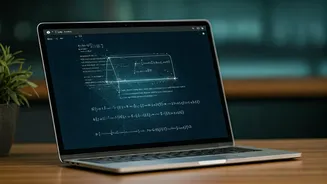
if that one method didn't click? You were back to square one, frustrated and confused. The new generation of 'smart' textbook software changes this dynamic entirely. Instead of just providing a static solution, these platforms function more like a patient, on-demand tutor. They are designed not just to give the answer, but to teach the 'how' and 'why' behind it, breaking down complex equations into digestible, easy-to-follow steps.
The AI-Powered Upgrade
The key difference lies in the integration of Artificial Intelligence (AI) and machine learning. The 'upgrade' in the headline refers to this leap in technology. Modern educational software, from standalone apps like Photomath to integrated platforms from publishers like Pearson and McGraw Hill, now uses AI to analyse the specific problem a student is struggling with. More importantly, it can often detect *where* a student is going wrong. The software can then offer multiple pathways to the solution, use simpler language, or even provide visual aids and interactive graphs. Some advanced systems learn from a student’s previous mistakes, adapting future explanations to target their specific weak spots. It's a move from a one-size-fits-all model to a personalised learning experience that can cater to different learning styles.
Why This is Happening Now
The massive, unplanned shift to online learning during the pandemic acted as a powerful catalyst for this innovation. When millions of students in India and across the world were suddenly learning from home, the limitations of existing digital tools became glaringly obvious. Students no longer had a teacher they could easily flag down for help or a classmate to turn to. This created a huge gap that EdTech companies rushed to fill. The demand wasn't just for content delivery; it was for genuine learning support. Investors poured billions into the EdTech sector, fast-tracking the development and deployment of these AI-driven tools. What might have taken a decade to become mainstream was accelerated into just a few years, driven by unprecedented necessity.
Benefits Beyond Homework Help
The most significant benefit is the empowerment of self-paced learning. Students can get instant, non-judgmental help 24/7, allowing them to work through difficult concepts without the pressure or embarrassment of asking for help in a classroom. This is particularly valuable for subjects like mathematics and physics, where a single misunderstood concept can derail future learning. This technology can help build confidence and reduce math anxiety. For teachers, these tools can be a powerful ally. By automating the process of explaining foundational concepts, they can free up valuable classroom time to focus on higher-level critical thinking, problem-solving strategies, and more personalised student interaction. The software’s data can also provide teachers with insights into which topics the entire class is struggling with.
The Human Element Remains Crucial
Despite the advancements, these tools are not without their critics. A primary concern is the risk of over-reliance. If a student can simply scan a problem and get a step-by-step guide, will they ever develop the resilience and critical-thinking skills needed to solve problems on their own? There is a fine line between using a tool for support and using it as a crutch. Furthermore, the effectiveness of this software is dependent on access to reliable devices and internet connectivity, highlighting the persistent challenge of the digital divide in India. Educators stress that these platforms are best used as supplements, not replacements, for quality teaching. The role of a great teacher—to inspire, motivate, and connect concepts to the real world—is something an algorithm cannot yet replicate.