



More Than Just Decoration
The feeling that plants liven up a space isn't just in your head; it's rooted in science. This connection is explained by the 'biophilia hypothesis,' which suggests humans have an innate tendency to connect with nature. When we bring plants indoors, we're
satisfying this deep-seated need, which can have profound psychological benefits. Studies have shown that interacting with indoor plants can lower stress hormones like cortisol, reduce blood pressure, and promote feelings of calmness and well-being. The simple act of caring for a plant—watering it, watching it grow—can be a form of mindfulness, grounding you in the present moment and easing symptoms of anxiety.
The Air Quality Question
You may have heard that indoor plants are powerful air purifiers. This popular belief stems from a 1989 NASA study which found that certain plants could remove volatile organic compounds (VOCs) like benzene and formaldehyde from the air in a sealed chamber. However, more recent research has clarified that in a typical home with normal ventilation, you would need an enormous number of plants—perhaps hundreds—to significantly impact air quality. While your snake plant won't replace an air purifier, plants do modestly contribute by absorbing carbon dioxide, releasing oxygen, and adding a bit of humidity to the air. The main takeaway is to enjoy plants for their proven psychological and aesthetic benefits, with any minor air-cleaning effect being a small bonus.
Five Fail-Proof Plants for Beginners
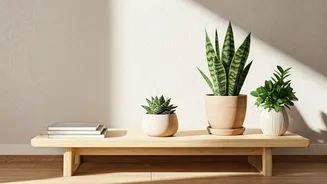
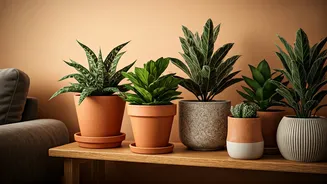
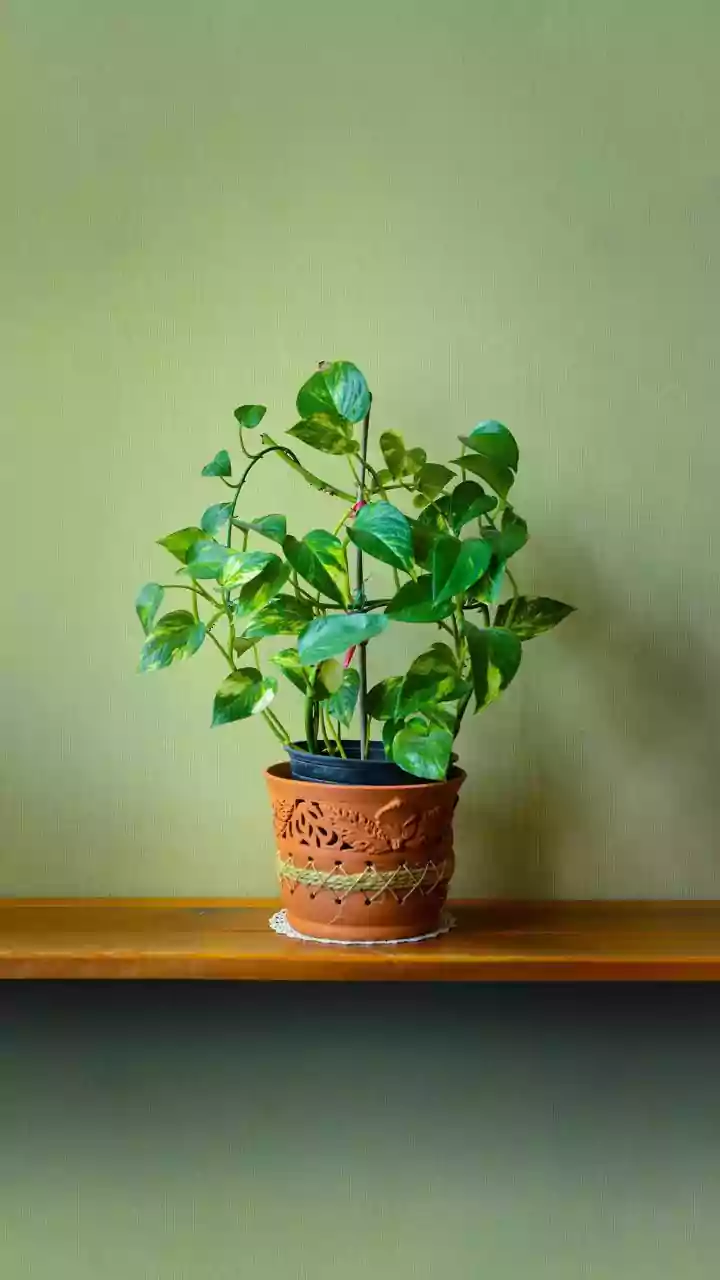
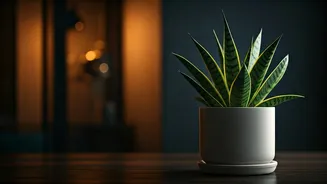
Ready to start your indoor garden? Here are five nearly indestructible plants that are perfect for beginners and widely available in India. 1. Snake Plant (Sansevieria): Almost impossible to kill, it tolerates low light and infrequent watering. Plus, it releases oxygen at night, making it a great bedroom companion. 2. Money Plant (Pothos): This fast-growing vine is incredibly forgiving. It tells you when it's thirsty with slightly droopy leaves and can thrive in a variety of light conditions. 3. ZZ Plant (Zamioculcas zamiifolia): If you're forgetful about watering, this is the plant for you. Its glossy, dark green leaves look stylish, and it can survive for weeks with no attention. 4. Spider Plant (Chlorophytum comosum): This cheerful plant is known for producing 'babies' that you can repot. It's adaptable and a great choice for hanging baskets. 5. Peace Lily (Spathiphyllum): Known for its elegant white flowers, the Peace Lily is great for lower-light spots and will physically droop to let you know it needs water, taking the guesswork out of its care.
Styling with Greenery
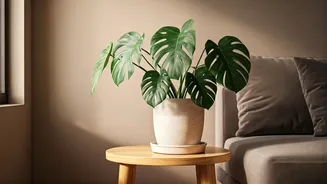
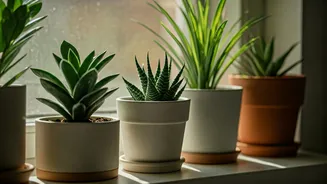
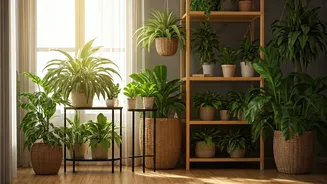
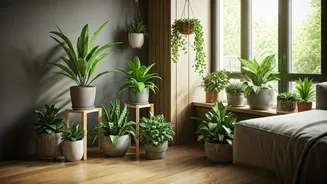
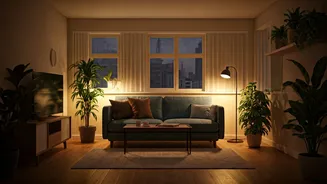
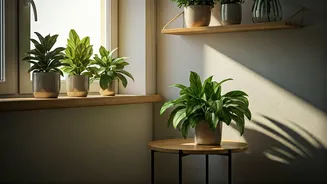
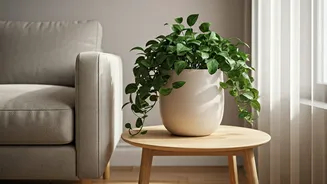
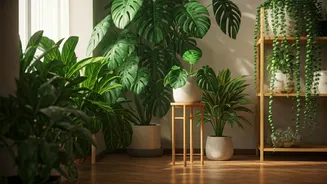
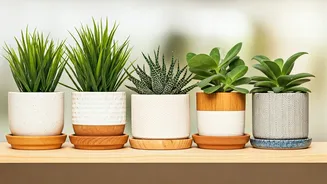
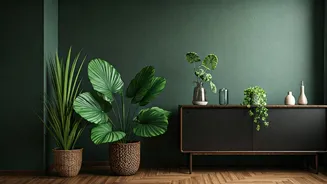
How you arrange your plants can be just as important as which ones you choose. To create a compelling display, think in terms of variety and scale. Group plants together in odd numbers, like a cluster of three on a side table, for a look that feels natural and visually pleasing. Play with different heights by using plant stands, stacking books, or placing a tall plant like an Areca Palm in an empty corner. Trailing plants like Pothos or English Ivy look wonderful cascading from a high shelf or a hanging planter, drawing the eye upward and making a room feel larger. Don't be afraid to mix different leaf shapes, textures, and shades of green. Finally, choose pots that complement your home's decor, whether they're rustic terracotta, minimalist ceramic, or colourful woven baskets.