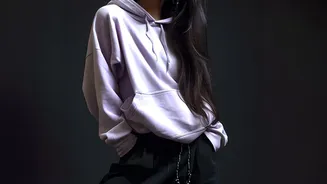

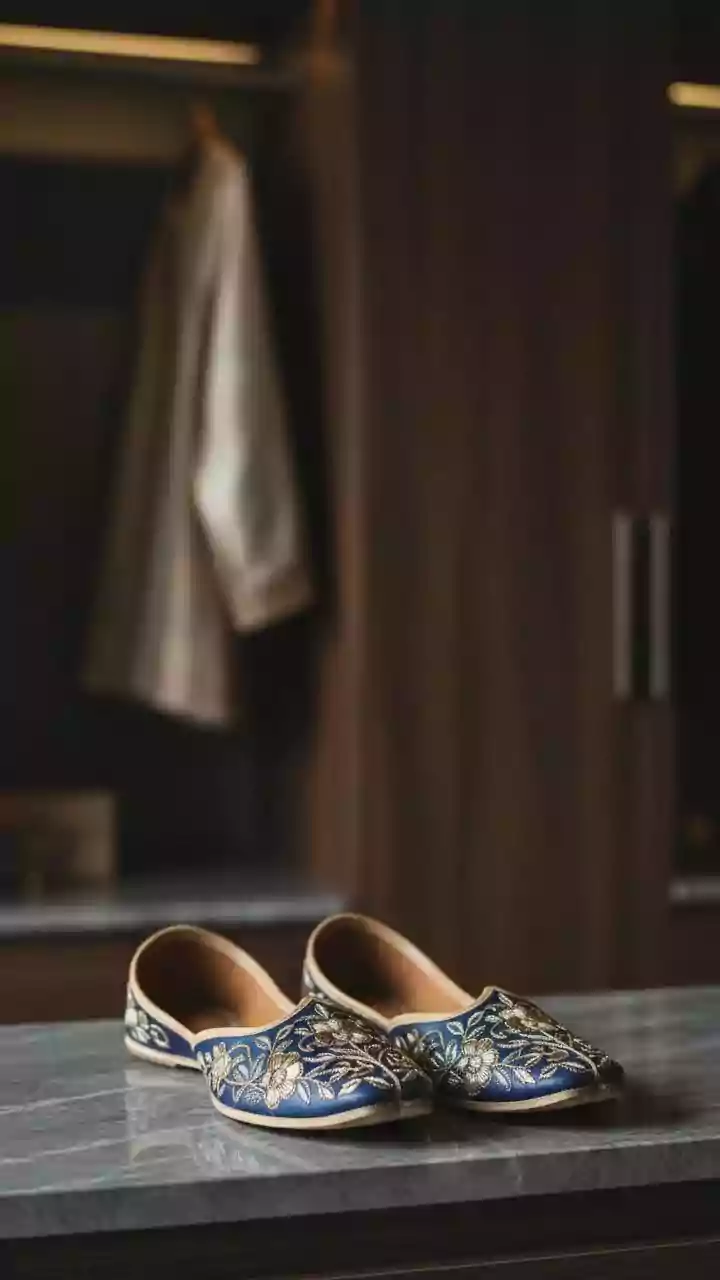

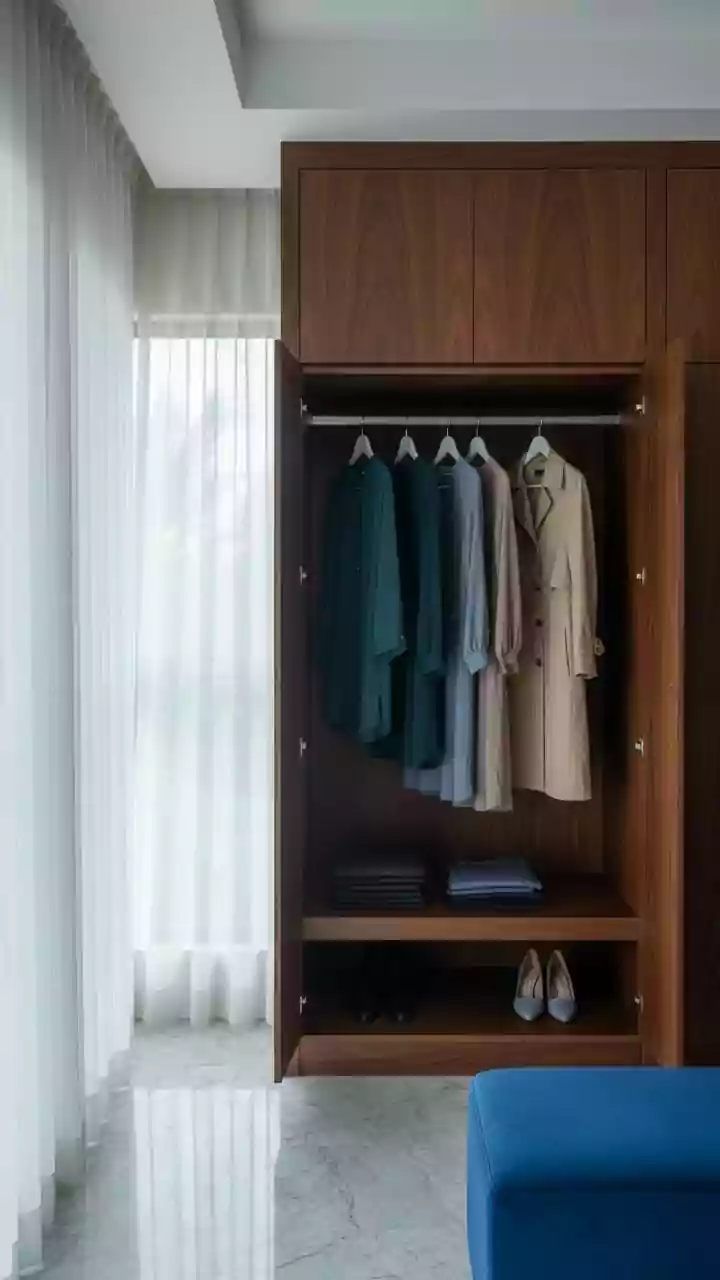

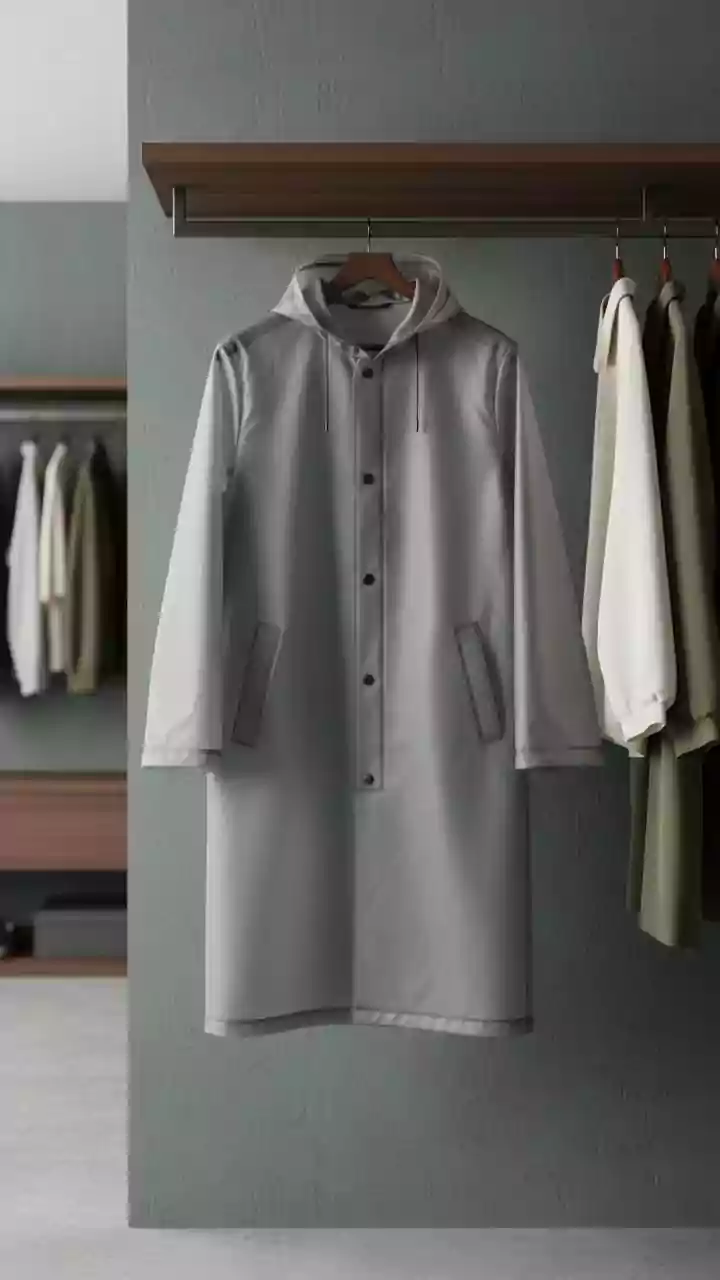
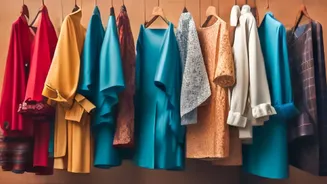
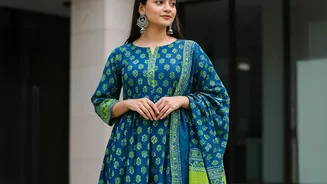
What Exactly Is Tier-2 Fashion?
Think of the fashion market as a pyramid. At the very bottom, you have the mass-market or fast fashion brands that produce trendy items at low prices. At the very top sits haute couture and luxury designer labels. Tier-2 fashion, also known as 'bridge'
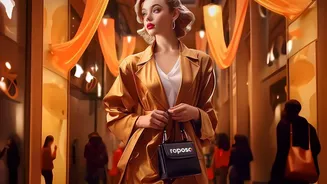
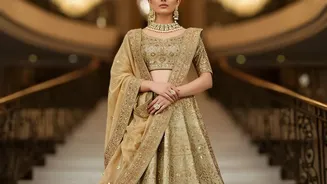
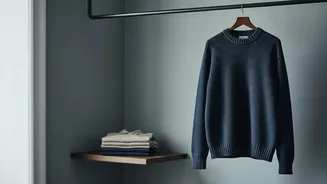
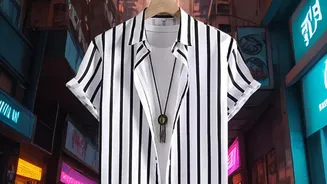
or 'contemporary' fashion, sits right in the middle. These are brands that bridge the gap between the mass market and high-end luxury. They offer designs that are current and stylish, with a focus on better quality materials and construction than fast fashion, but at a more accessible price point than traditional designer labels. Brands in this space, which can include names like The Frankie Shop or even Indian pop-culture labels like The Souled Store, aim to provide that 'affordable luxury' feel. They cater to consumers who are ready to invest a bit more for pieces that are designed to last longer than a single season.
The Appeal: Why Everyone Is Talking About It
The conversation around Tier-2 fashion is growing because consumers are becoming savvier. Many are experiencing 'fast fashion fatigue'—tired of clothes that fall apart after a few washes and increasingly aware of the environmental and ethical issues linked to mass production. Tier-2 offers a compelling alternative. It presents a step up in quality, often using better fabrics and more considered construction, without the financial leap required for a luxury purchase. This category caters to an aspirational shopper who values style and durability but remains budget-conscious. It's the 'Goldilocks' principle applied to your wardrobe: not too cheap, not too expensive, but just right for building a collection of lasting, stylish staples.
The 'Trend Quality' Dilemma
Here's where the discussion gets nuanced. Tier-2 brands are trend-aware, but they operate on a slower cycle than fast fashion giants. They create pieces that feel modern but are intended to be versatile beyond a fleeting micro-trend. The 'quality' part of the equation, however, can be inconsistent. While the promise is better materials and craftsmanship, the reality can vary. Some Tier-2 brands deliver excellent value with durable fabrics and strong construction, while others may cut corners, putting more money into marketing and hype than into the garment itself. The price is higher, but it isn't always a guarantee of superior quality. This is the core of the Tier-2 dilemma: learning to distinguish genuine quality from clever branding.
Deconstructing the Value Proposition
When you buy a Tier-2 item, what are you paying for? Ideally, the value comes from a lower cost-per-wear. A well-made piece that you wear for years is a better investment than a cheap item that you discard quickly. The value should be evident in the details: the feel of the fabric, the precision of the stitching, and the durability of the hardware. Natural fibers like cotton, wool, and linen often indicate higher quality than cheap synthetics. Seams should be neat and flat, patterns should align, and buttons should feel secure. However, sometimes a higher price tag simply reflects a larger marketing budget or the cost of maintaining a physical retail presence. True value in this tier is found when design, material quality, and craftsmanship align with the price.
How to Be a Smarter Tier-2 Shopper
Navigating the Tier-2 market requires a discerning eye. Don't just trust the price tag or brand name; become an amateur detective. First, always check the fabric composition label. Look for a high percentage of natural fibers. Second, inspect the craftsmanship. Look for tight, even stitching and finished seams, even on the inside of the garment. Gently stretch a part of the fabric; it should snap back to its original shape. Third, read reviews critically. Look for comments on how the item holds up after washing and wearing. Finally, ask yourself if the piece aligns with your personal style and if you can see yourself wearing it in multiple ways, for multiple seasons. This focus on longevity and versatility is the key to finding true value.