






A Game-Changing Eye on the Sky
Launched in 2023, the Euclid telescope is a marvel of modern engineering with a primary mission to map the 'dark universe'—the mysterious dark matter and dark energy that shape the cosmos. But its powerful, wide-field view is also proving to be a game-changer
for other areas of astronomy. While previous searches for the universe’s most ancient objects were slow and painstaking, Euclid's unique ability to scan huge areas of the sky efficiently has transformed the hunt. In just over a year of observations, it has accomplished what once took astronomers a decade, uncovering a treasure trove of objects from the cosmic dawn.
Meet the 'Brilliant Beacons'
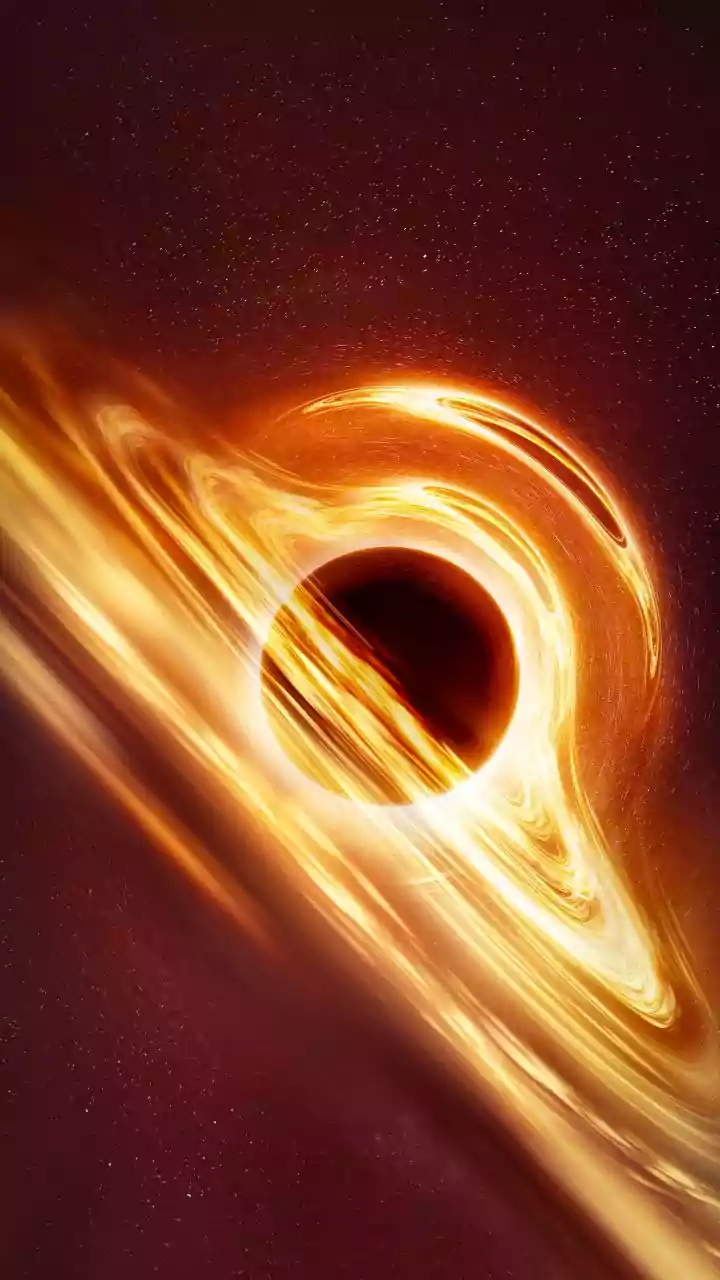
The 'brilliant beacons' of the headline are quasars, some of the brightest and most powerful objects in the entire universe. A quasar is essentially the super-bright core of a young galaxy, powered by a colossal supermassive black hole at its center. As the black hole aggressively pulls in surrounding gas and dust, the material heats up to incredible temperatures, creating an accretion disk that can outshine all the stars in its host galaxy combined—sometimes by thousands of times. In a recent breakthrough, Euclid identified 31 previously unknown ancient quasars, more than doubling the number known from that era.
A Glimpse of the Cosmic Dawn
What makes these discoveries so profound is their sheer age. The light from these quasars has been travelling for over 13 billion years to reach us. Among the new finds, two have set a new record for the most ancient quasars ever found. We are seeing them as they were when the universe was only about 670 million years old, a mere 5% of its current age. This period is known as the 'epoch of reionization,' a pivotal time when the universe emerged from its cosmic 'dark ages' and the first stars and galaxies were forming. These quasars act like time machines, giving scientists a direct look into this critical, formative period.
The Billion-Sun-Power Mystery
The existence of these objects so early in cosmic history presents a fascinating puzzle for astrophysicists. The record-breaking quasars each shine with the light of a trillion suns, powered by supermassive black holes that had already grown to be billions of times the mass of our sun. The central mystery is how these 'monsters,' as one scientist called them, could have formed and grown so massive, so quickly after the Big Bang. Current models of black hole formation struggle to explain such rapid growth. Finding not just a few, but a whole population of these objects allows scientists to move beyond studying rare outliers and begin to understand the typical black hole growth in the early universe.
What Comes Next for Euclid
This haul of ancient quasars is just the beginning. The discoveries were made as part of the Euclid Wide Survey, which will eventually cover about a third of the sky. As the mission continues, astronomers expect to find many more of these distant beacons. Each new discovery provides another data point to help refine our understanding of how the first galaxies and black holes took shape. By taking a true 'census' of quasars at the dawn of the universe, Euclid is not just fulfilling its mission to map dark energy, but is also fundamentally changing our understanding of our own cosmic origins.