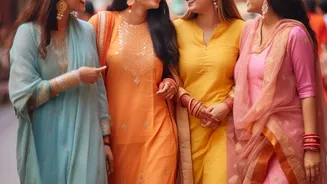

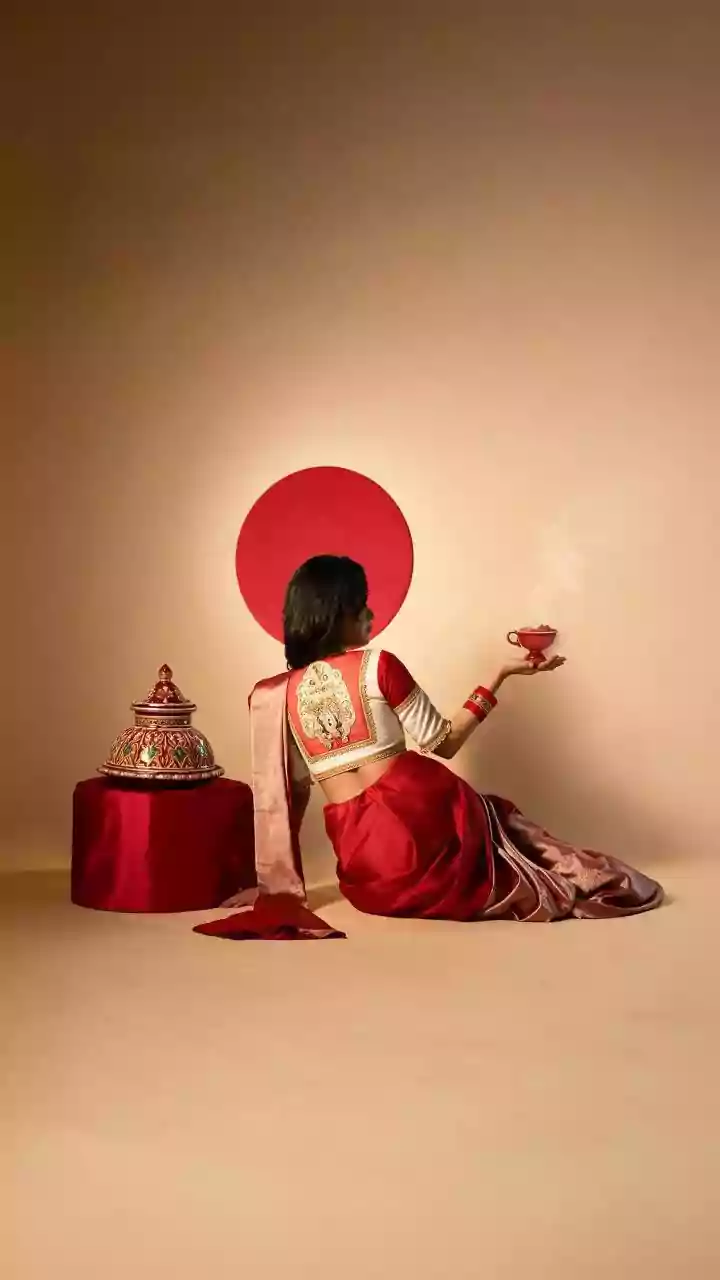
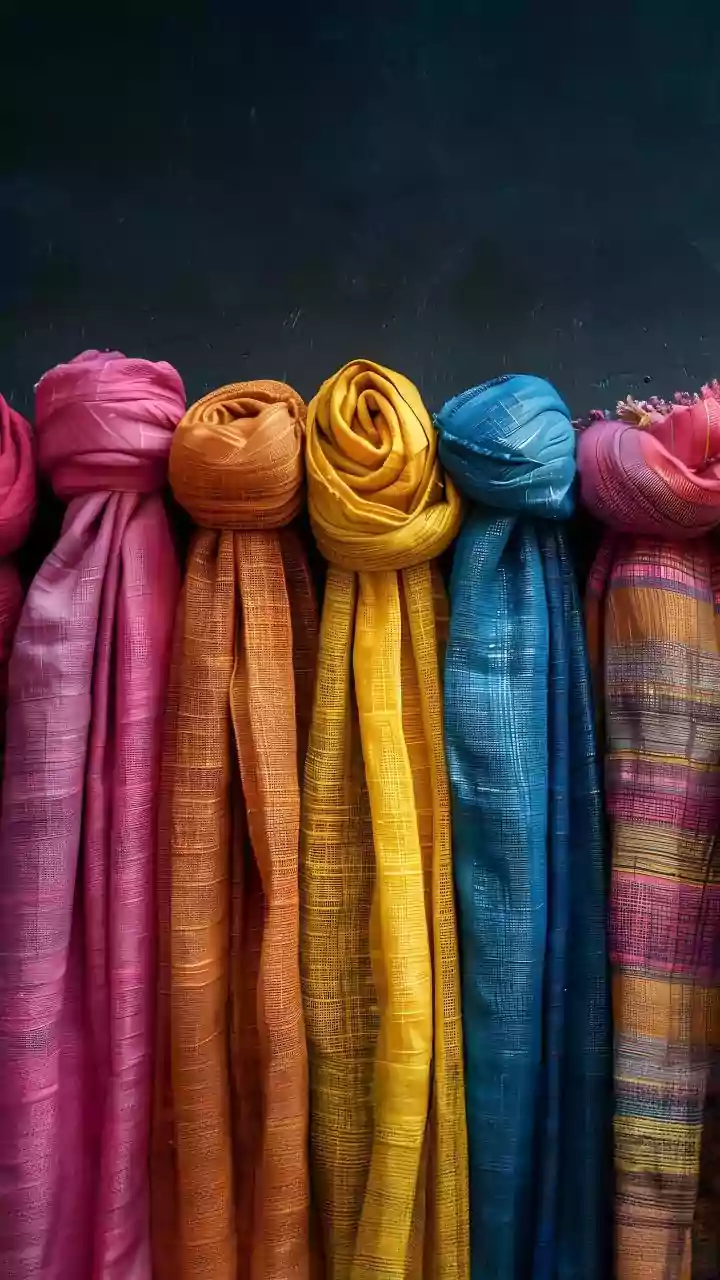


Not long ago, Indian handlooms were often seen as occasion-wear, reserved for older generations. Today, younger shoppers are redefining their place in fashion, pairing heritage weaves with a modern, global-conscious mindset.
A Shift from Occasion-Wear to Everyday Style
For decades, exquisite textiles
like Banarasi silk or Chanderi were associated with weddings, festivals, or your mother’s treasured saree collection. But a significant cultural shift is underway. Younger shoppers are rejecting these limitations, integrating handloom fabrics into their daily wardrobes. Think of pairing an Ajrakh-printed jacket with jeans, styling a Jamdani saree with sneakers, or turning a traditional textile into a contemporary co-ord set. This move is less about dressing up for an event and more about expressing personal style in a way that feels authentic and rooted. Designers and indie brands are fuelling this trend by creating modern silhouettes—from dresses and skirts to oversized shirts—that make these textiles versatile and relevant for everyday life.
The Search for Authenticity and Identity
In a world dominated by mass-produced fast fashion, where everything can start to look the same, regional textiles offer a powerful antidote: uniqueness. For Gen Z, fashion is an extension of identity. Wearing a hand-block printed kurta or a stole with a distinct regional weave is a way to stand out and tell a personal story. There is a growing appreciation for the narrative behind a garment—who made it, where it came from, and the history of its craft. This connection to heritage allows young consumers to express cultural pride and individuality simultaneously. Choosing a fabric like the graphically bold Ikat or the earthy, geometric Ajrakh becomes a statement against homogeneity and a nod to India’s rich and diverse craft traditions.
Sustainability as a Core Value
The conversation around sustainable fashion has moved far beyond just using organic materials. For young, environmentally-conscious shoppers, it's about the entire lifecycle of a garment. Handloom production, which often uses natural fibres and dyes, aligns perfectly with this ethos. Younger consumers are increasingly aware of the environmental and ethical fallout of fast fashion and are actively seeking alternatives that are kinder to the planet and its people. Choosing a handwoven piece supports a more sustainable, slow-fashion model, ensuring that artisan communities and their skills are preserved. This makes purchasing a handloom product not just a style choice, but an ethical and environmental statement.
The Power of Social Media and New-Age Designers
Social media has been a game changer in making traditional textiles cool. Platforms like Instagram have democratised fashion, allowing designers and artisans to connect directly with a global audience. Influencers showcase innovative ways to style traditional garments, like draping a saree over trousers or pairing a handwoven top with contemporary accessories, making heritage feel fresh and accessible. This digital exposure has been crucial. At the same time, a new wave of designers is reinterpreting these textiles with a modern eye. Labels like Raw Mango, Masaba, and Ekaya Banaras, among others, have been pivotal in creating designs that blend traditional craftsmanship with contemporary sensibilities, proving that handloom is not a relic of the past but a dynamic part of fashion's future.