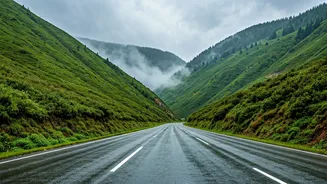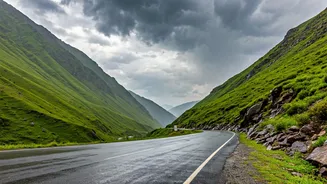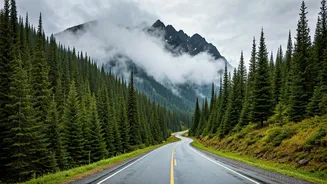





Chandigarh to Kasauli: The Himalayan Gateway
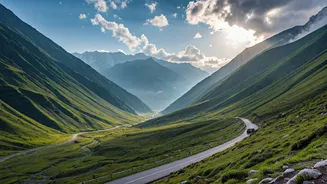
This short, two-hour drive is a perennial favourite for a reason. [15, 19] The journey from Chandigarh to Kasauli is smooth, scenic, and perfect for those looking for a quick mountain escape. [15] As you leave the city behind and begin the ascent from Kalka,
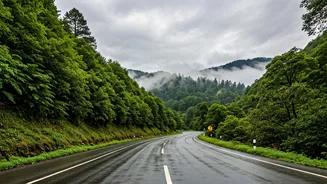
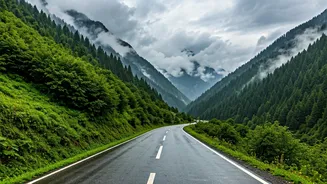
the air cools, and pine-scented forests take over. The winding roads are well-maintained, making it a relatively safe drive even during the monsoon, though caution on wet curves is always advised. [15, 22] The monsoon turns Kasauli's colonial-era architecture and quiet lanes into a misty, dream-like setting. [15] Enjoy the clouds rolling in at Sunset Point, walk the quiet Upper and Lower Mall roads, and savour a hot cup of tea while watching the rain transform the valley into a carpet of lush green. The trip is ideal for a weekend, offering a refreshing break without a long, arduous journey. [15]
Delhi to Lansdowne: The Quiet Cantonment Escape
For those seeking tranquility away from crowded tourist spots, the drive to Lansdowne is a revelation. [14] Situated in the Pauri Garhwal district of Uttarakhand, this quaint cantonment town is about a 5-6 hour drive from Delhi. [14, 33] The route via Meerut, Bijnor, and Kotdwar is largely on well-paved highways, though the final 40-kilometer stretch from Kotdwar is a scenic, hilly ascent. [21, 29] During monsoon, the forests of oak and pine surrounding Lansdowne are at their greenest, and the mist lends an ethereal charm to its churches and parade grounds. [14] Key attractions like Bhulla Tal, a small artificial lake with boating, and the Tip-in-Top viewpoint become even more beautiful. [14] Because it is a military cantonment, the roads are exceptionally well-maintained, making it one of the safer Himalayan destinations during the rains. [14]
Delhi to Neemrana: A Royal Monsoon Retreat
If you prefer forts and heritage over hill stations, a quick trip to Neemrana is an excellent choice. Located just off the Delhi-Jaipur highway, the 15th-century Neemrana Fort-Palace is a spectacular sight, especially when the Aravalli hills surrounding it are washed clean by the rain. [16] The drive is a short 2.5 to 3 hours, making it perfect for a day trip or an overnight stay. [18, 28] The monsoon brings out the lush greenery around the fort, creating a stunning contrast with its rugged stone walls. [16, 28] Besides exploring the magnificent tiered fort, you can also visit the historic Neemrana Baori, a nine-storey stepwell that adds to the rustic charm of the region. [14, 18] It's an accessible and luxurious way to experience a different side of Rajasthan's beauty during the monsoon. [16]
Pathankot to Dalhousie: The Scottish Charm
Dalhousie, with its colonial-era charm and pine-clad valleys, is a fantastic monsoon destination that experiences milder rainfall than many other hill stations. [25] The drive from Pathankot, the nearest major railhead, is a journey through verdant landscapes. The town, spread across five hills, becomes incredibly picturesque as the rain breathes new life into its surroundings. [23, 25] Places like Khajjiar, often called the 'mini-Switzerland of India', become even more enchanting with a fresh green cover and a light mist. [23] While landslides can be a concern in the higher Himalayas, Dalhousie is considered relatively safer, though checking road conditions before you travel is always wise. [25, 26] The cool weather and reduced tourist crowds make it an ideal time for a peaceful and romantic getaway. [23]
A Note on Monsoon Driving Safety
While monsoon road trips are magical, they demand extra caution. Wet roads significantly increase braking distances and the risk of hydroplaning, where your tyres lose contact with the road. [7] It's crucial to reduce your speed, especially during heavy downpours, and maintain a much longer following distance from the vehicle ahead. [9, 10, 12] Ensure your car's tyres have adequate tread (at least 2-3 mm), the brakes are in top condition, and the windscreen wipers are working effectively. [11, 12] Use low-beam headlights during rain to improve visibility for yourself and others. [9, 10] In hilly areas, be wary of landslide-prone zones, often marked by fresh mud or gravel on the road. It's always best to plan your drive during daylight hours and check weather forecasts and local road advisories before and during your journey. [11, 20]