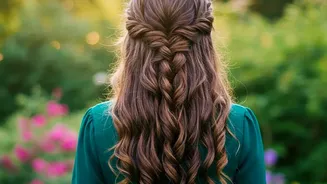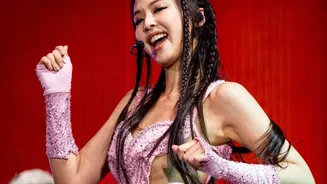




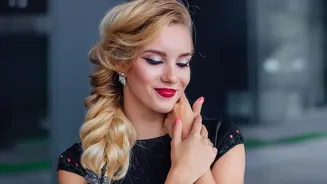
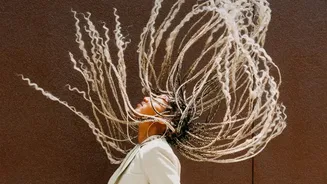
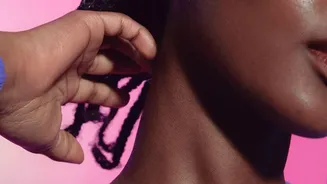
For a dancer or performer, a hairstyle is more than an aesthetic choice—it's a critical piece of equipment. Amidst leaps, turns, and high-energy routines, hair must stay perfectly in place. This is why braids are a trusted foundation.
Why Security Is Non-Negotiable
For any performer,
a secure hairstyle is essential for safety, focus, and professionalism. Loose hair can obscure vision during a critical moment, like a series of fast turns, leading to missteps or accidents. A stray strand whipping into an eye or getting caught on a costume or partner is not just a nuisance; it's a safety hazard that can compromise an entire performance. Furthermore, a hairstyle that stays put allows the performer to remain fully immersed in their character and choreography without the distraction of pushing hair out of their face. This discipline is part of the art form itself, ensuring that the audience sees the artist's expression and movement clearly, without any visual clutter. Instructors also rely on seeing a clean line from the head through the neck and shoulders to provide accurate technical corrections.
The Power of the Braid
Braids serve as the ideal foundation for performance hairstyles, especially when extensions are involved. Their structure provides a tight, flat base that distributes the weight of added hair evenly, reducing strain on the scalp. Unlike a simple ponytail, which can cause extensions to slip or feel heavy, a braided base creates a solid anchor. For styles with clip-in extensions, creating small, horizontal braids underneath the top layer of hair provides a firm texture for the clips to grip, ensuring they don’t slide during vigorous movement. This technique is far more reliable than attaching clips directly to loose, silky hair, which can become slick with sweat during a performance. The braid acts as a scaffold, holding everything securely from the first act to the final bow.
Choosing the Right Braiding Technique
Several braiding methods are favoured by performers and their stylists for their security and appearance. The 'feed-in' technique is particularly popular because it creates a seamless, natural look. Instead of starting the braid with a bulky knot of extension hair at the root, the stylist gradually adds small pieces of hair to the natural braid. This method not only looks more realistic but also significantly reduces tension on the hairline, which is crucial for preventing hair loss known as traction alopecia. Another effective method is crochet braiding. Here, the natural hair is first cornrowed, and then loose extension hair is looped through the cornrows using a crochet hook. This technique is fast, versatile, and provides full coverage, making it an excellent choice for creating voluminous or intricate styles that need to last through long show runs. Both feed-in and crochet methods offer a secure base that protects the performer's natural hair.
Extensions and Essential Prep Work
The type of extensions used and the preparation of the natural hair are just as important as the braiding technique itself. Synthetic hair, like Kanekalon, is often preferred for braiding because its slightly coarser texture helps it grip the natural hair and hold its shape well. Before installation, it is vital to properly prepare the natural hair by washing, conditioning, and detangling it thoroughly. Applying a texturizing spray or dry shampoo to the roots can add extra grip for clip-in extensions. For any braided style, especially those worn for extended periods, it’s important that the braids are firm but not painfully tight. Excessive tension can lead to headaches and damage to the hair follicles. A well-executed style should feel secure without causing discomfort, allowing the performer to move with complete freedom and confidence.