






The Myth of the 'Perfect' Pose
The idea of a single, 'correct' posture that we must hold for hours is a myth. While good alignment is important, holding any static position—even a supposedly perfect one—is stressful for the body. When you remain still for too long, your muscles can
shorten and tighten, pulling you out of alignment. This sustained load, known as viscoelastic creep, causes tissues like discs and ligaments to gradually deform, which is why you might feel stiff and compressed by the end of a long day of sitting. The human body is designed for fluid movement, not to be frozen in one position like a mannequin. Lack of movement places a higher load on your intervertebral discs and impairs blood circulation.
Why Your Body Craves Constant Motion
Your spine and the muscles supporting it thrive on activity. Movement is what allows your intervertebral discs to circulate nutrients and maintain their cushioning height. When you move, your core and back muscles activate, sharing the load and reducing strain on ligaments and joints. This concept is known as 'dynamic posture' or 'active sitting'—the idea that incorporating small, frequent movements while seated is beneficial. These micro-movements keep muscles engaged, prevent stiffness, improve circulation, and can even boost energy levels and focus. Essentially, your body has built-in sensors that tell your brain when it's time to adjust, and movement keeps these signals sharp.
From Static to Dynamic at Your Desk
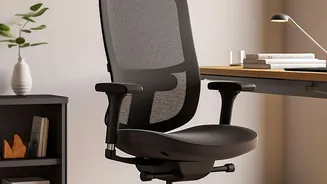
So, how do you put this into practice, especially during a long workday? The goal is not to find one perfect chair or pose, but to frequently change your position. Think of it as postural variety. If you sit, try not to cross your legs and keep your feet flat on the floor or on a footrest. Relax your shoulders instead of pulling them back rigidly. Most importantly, take breaks. Stand up at least once an hour to stretch and walk around. Even while seated, you can perform small movements: shift your weight, roll your shoulders, gently twist your torso, or do ankle circles. This is the essence of active sitting, which encourages your body’s natural tendency to fidget and adjust.
Embracing Movement Beyond the Office
This principle applies to all areas of life, not just your desk job. Think about the strain from 'tech neck,' the forward-head posture many adopt while looking at phones. To counteract this, try holding your phone at eye level more often and take breaks to stretch your neck and upper back. When watching television or standing in a long queue, be mindful of staying in one position for too long. Shift your weight from one foot to the other, do a few gentle knee bends, or simply change your position. The key is to interrupt periods of stillness. Any activity that promotes body awareness, like yoga or tai chi, can be particularly helpful in retraining your postural habits.