






The End of Charging Cables?
The dream of self-powered electronics is moving closer to reality, especially in the world of wearable technology. For years, the biggest limitation of smartwatches, fitness bands, and portable medical monitors has been the battery. Researchers are now
developing thermoelectric textiles, a revolutionary type of smart fabric that can harvest your body heat and turn it into electricity. The goal is to create a seamless experience where your clothes power your gadgets, eliminating the need for bulky batteries and constant recharging. This innovation could redefine what we expect from our devices, making them truly integrated into our daily lives without interruption.
How Your Body Becomes a Battery
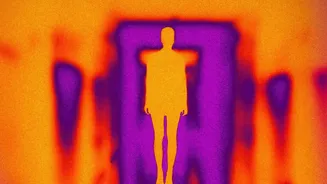
The science behind this technology is a phenomenon called the Seebeck effect, first discovered in the 19th century. In simple terms, when there is a temperature difference across a specific type of material, it generates a small electrical voltage. Thermoelectric fabrics apply this principle by using the temperature difference between your warm skin and the cooler air around you. Embedded within the fabric are tiny thermoelectric generators (TEGs) made of special semiconductor materials. As your body naturally gives off heat, these generators convert that thermal energy directly into a continuous, low-level electrical current, essentially turning you into a walking power source.
From Rigid Plates to Flexible Fabric
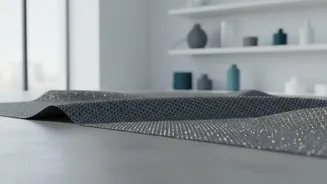
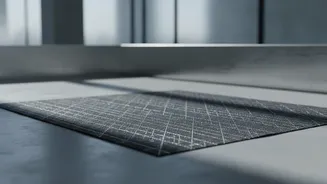
While thermoelectric generators aren't new, the main challenge has always been making them practical for clothing. Traditional TEGs are rigid and brittle, completely unsuitable for something that needs to be flexible, comfortable, and washable. The recent breakthrough lies in integrating these thermoelectric elements directly into the fabric itself. Scientists are experimenting with various methods, from creating thermoelectric yarns that can be woven or knitted, to printing a paste of thermoelectric materials directly onto a textile. Recent advancements by research teams, including one at Seoul National University, have focused on creating thin, flexible films that can be comfortably attached to skin or clothing while efficiently redirecting heat flow to maximize power generation.
More Than Just Counting Steps
While powering a simple fitness sensor is a major first step, the potential applications go much further. These smart fabrics could power a new generation of continuous health monitoring devices, tracking vital signs like heart rate, respiration, and body temperature without interruption. For athletes, clothing could monitor performance metrics in real-time. In medicine, these textiles could power biosensors that detect biomarkers for various conditions. Imagine a smart mask that monitors your breathing to help identify viruses or a shirt that tracks your heart's health day and night, all powered by your own body heat. The technology also has industrial and safety applications, such as integrating cooling elements into the clothing of factory workers or firefighters.
The Road Ahead to Your Wardrobe
Despite the exciting progress, there are still hurdles to overcome before these smart clothes appear in stores. The primary challenge is efficiency. The amount of power generated is currently quite small—often measured in microwatts or milliwatts—which is enough for low-power sensors but not for more demanding devices like a smartwatch. Durability is another concern; the fabrics must withstand repeated stretching, twisting, and washing without losing their electronic properties. Finally, cost and scalability are significant factors. Many high-performance thermoelectric materials use rare or expensive elements, making mass production a challenge that researchers are actively working to solve.