






Why Monsoon Driving Is Tough on Brakes
Driving on wet, steep roads puts immense strain on your vehicle's braking system. Water on the road acts as a lubricant, dramatically increasing your stopping distance. When you drive through puddles or heavy rain, a thin film of water can form between
your brake pads and rotors, which reduces friction and braking effectiveness. This issue is magnified on downhill slopes where gravity is already working against you. Furthermore, the constant humidity and moisture can accelerate rust and corrosion on crucial brake components. Brake fluid itself can absorb moisture from the air, which lowers its boiling point and can lead to a soft or 'spongy' pedal feel, compromising its performance when you need it most.
The Essential Pre-Monsoon Inspection
Before the rainy season truly sets in, a thorough brake inspection is non-negotiable. While a professional mechanic should perform a comprehensive check, you can do several key visual inspections yourself. Start by checking your brake fluid. Locate the translucent reservoir in your engine bay, and ensure the fluid level is between the 'MIN' and 'MAX' lines. The fluid should be clear or light amber; if it's dark or murky, it's contaminated and needs to be replaced. Also, pay attention to the brake warning light on your dashboard. If it illuminates, it signals an immediate problem that needs professional attention. A pre-monsoon service should include an inspection of brake pads and discs for wear.
Simple Checks Before Every Ghat Journey
Before you set off on any trip involving steep roads, a few quick functional tests can provide peace of mind. In a safe, clear area, start your car and listen. A high-pitched squeal when you first press the pedal could be normal, but if the noise persists, your brake pads may be worn. A grinding or scraping sound is a more serious red flag, indicating your pads might be completely worn down, causing metal-on-metal contact that can damage your brake rotors. Next, as you start to drive slowly, pay attention to how the pedal feels. It should feel firm and responsive. If it feels soft, spongy, or sinks to the floor, it could indicate air or moisture in the brake lines. Also, notice if the car pulls to one side when you brake; this could signal a problem with the calipers or brake lines.
Smart Driving Techniques on Steep Descents
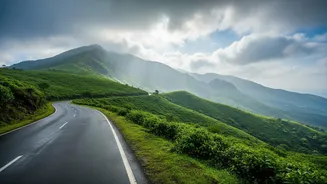
Even with perfectly maintained brakes, smart driving techniques are crucial for safety on winding ghat roads. The most important rule is to avoid 'riding the brakes'—constantly applying light pressure—on long downhill stretches. This habit generates excessive heat, which can lead to 'brake fade,' a temporary loss of braking power. Instead, use engine braking by shifting into a lower gear. This uses the engine's resistance to help control your speed, saving your brakes for when you truly need them. Maintain a generous distance from the vehicle in front of you, as stopping distances are much longer on wet roads. Drive at a controlled, reduced speed and be gentle and smooth with your steering and braking inputs to avoid losing traction.
After-Effects of Driving Through Water
Navigating waterlogged streets is often an unavoidable part of monsoon driving. After driving through a deep puddle or flooded area, your brakes will be wet and less effective. To dry them out, gently apply the brakes for a few seconds while driving slowly in a safe area. The friction will generate heat and evaporate the water from the pads and rotors, restoring their performance. Never attempt to drive through deep or fast-moving water. Besides the risk of your car stalling or being swept away, it can cause significant damage to the entire braking system and other undercarriage components. If you notice any changes in braking performance after driving in heavy rain, it's always best to have it checked.