







The Allure of the Packed Itinerary
The excitement of travel often leads to an impulse to plan every moment. It comes from a good place: the desire to maximise precious time away from work and daily routines. We see lists of “must-do” attractions and hidden gems, and the fear of missing
out (FOMO) kicks in. This pressure can transform a trip from a relaxing break into a marathon of sightseeing, where every minute is accounted for. This hyper-scheduling, however, often backfires, leading to the one thing we’re trying to escape: stress.
The Burnout You Don't See Coming
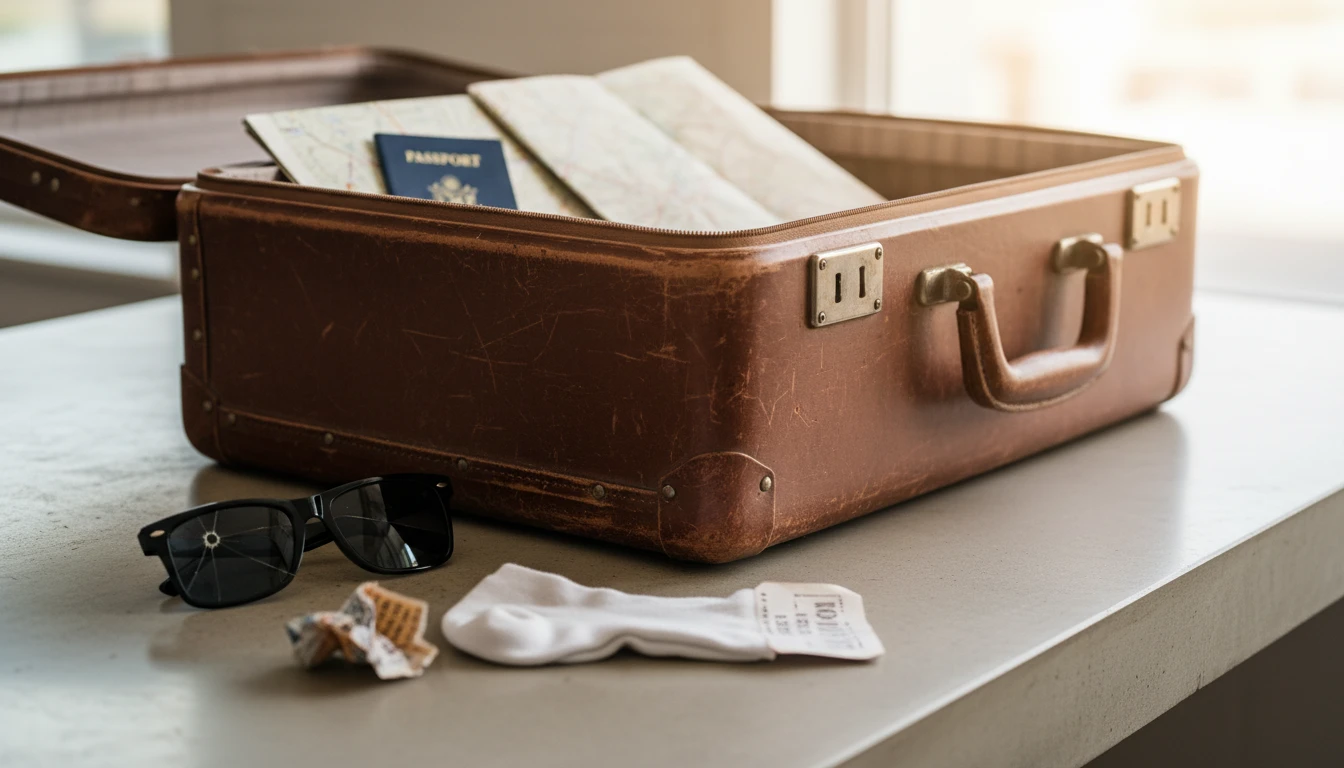
A vacation itinerary that’s too dense can quickly lead to travel burnout. Instead of feeling refreshed, you might find yourself irritable, exhausted, and overwhelmed. The constant rush from one place to another creates decision fatigue and prevents you from truly soaking in your surroundings. The very activities meant to be enjoyable can start to feel like obligations. Research and anecdotal evidence show that this kind of travel-related stress is real and can negate the restorative benefits of taking a break. You might return home feeling like you need a vacation from your vacation.
Embracing 'Slow Travel' Principles
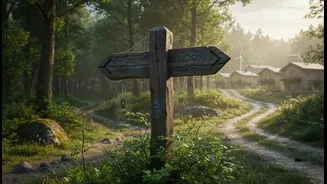
The concept of “slow travel” offers a powerful antidote to the over-scheduled holiday. It’s not about seeing less, but about experiencing more, with intention. It prioritises depth over breadth, encouraging travellers to immerse themselves in a single location rather than hopping between multiple cities. Key principles include staying longer in one place, leaving room for spontaneity, and connecting with the local culture beyond the main tourist attractions. This approach reduces logistical stress and transit fatigue, allowing for a deeper, more meaningful connection to the place you’re visiting.
How to Build a Balanced Itinerary
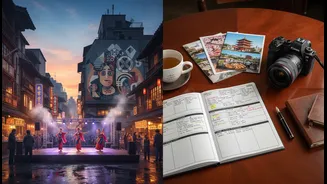
Crafting a schedule that blends passion with peace of mind is an art. Start by identifying your top priorities for the trip. Then, group activities geographically to minimise travel time between sights. A great rule of thumb is to plan only one or two major activities per day, leaving the rest of the time open. Deliberately schedule “buffer time” or completely free afternoons for spontaneous discoveries, leisurely walks, or even a nap. For longer trips, build in entire rest days with no agenda. This unscheduled time is often where the most magical travel moments happen.
Elevating the Essentials: Food and Rest
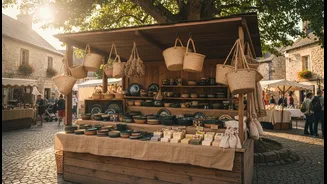
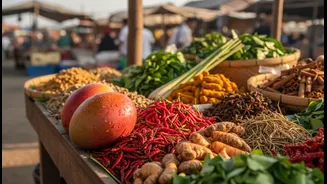
Instead of viewing meals as a quick refuelling stop, treat them as a core part of the cultural experience. Linger over a long lunch at a local cafe or explore a food market. Similarly, prioritise sleep. A well-rested traveller has more patience and energy to enjoy the day's adventures. Pay attention to your body’s natural rhythms; if you’re not a morning person, don’t schedule early tours every day. Listening to your body and allowing it to rest is crucial for preventing burnout and staying healthy on the road.
The Joy of Missing Out (JOMO)
To truly embrace a more relaxed travel style, it helps to adopt the “joy of missing out.” Accept that you can’t see and do everything, and that’s perfectly fine. Letting go of the pressure to be constantly busy allows you to be more present and savour your experiences. Instead of viewing your trip through a camera lens for social media, focus on the sights, sounds, and smells around you. This mindful approach enhances memory and gratitude, making your trip more fulfilling.