








The Monsoon's Purple Gem: Jamun
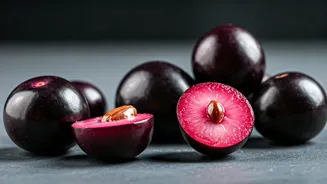
The fruit in the spotlight is the Jamun, also known as Java plum or Indian blackberry. This humble, deep purple berry, with its characteristic sweet and tart flavour, is a quintessential sight in Indian markets as the rains begin. Its arrival is so intertwined
with the season that for many, the aroma of fresh jamuns signals the monsoon's true onset. While it's a nostalgic treat that often leaves a temporary purple stain on the tongue, its benefits go far beyond its delightful taste. Rich in a wide array of nutrients, Jamun has been a staple in Ayurvedic and traditional medicine for centuries, celebrated for its potent health-boosting properties.
An Antioxidant Powerhouse
Jamun's vibrant colour is a giveaway to its rich concentration of antioxidants, particularly anthocyanins and flavonoids. These powerful compounds are the body's allies in fighting oxidative stress, which is caused by harmful free radicals. By neutralising these molecules, antioxidants help protect our cells from damage, reducing the risk of chronic diseases and slowing down the ageing process. During the monsoon, when the body is more susceptible to environmental stressors, incorporating antioxidant-rich foods like Jamun into your diet can provide a much-needed protective boost.
Boosting Immunity Against Seasonal Illness
The rainy season often brings a spike in common infections like colds, flu, and stomach bugs. Jamun is an excellent source of Vitamin C, a crucial nutrient for a robust immune system. Vitamin C enhances the production of white blood cells, which are essential for fighting off invading pathogens. Combined with its natural anti-inflammatory and antibacterial properties, regular consumption of Jamun can help strengthen your body's defences, making you more resilient to the common health challenges of the monsoon.
A Natural Aid for Digestion
Digestive issues like bloating, acidity, and irregular bowel movements can become more prevalent during the humid monsoon months. Jamun has been traditionally used to support digestive health. Its astringent properties can help in managing diarrhoea, while its fibre content aids in promoting regular bowel movements and preventing constipation. The fruit also possesses antacid qualities that can help balance stomach acid levels, providing relief from indigestion and gastritis.
Supporting Blood Sugar Balance
Perhaps one of the most well-known benefits of Jamun is its role in managing blood sugar levels. The fruit and its seeds contain compounds like jamboline and jambosine, which are believed to slow down the rate at which starch is converted into sugar in the body. This helps in preventing sharp spikes in blood glucose after meals. For this reason, Jamun, and particularly the powder made from its dried seeds, has been a long-standing recommendation in traditional practices for individuals looking to maintain healthy blood sugar levels.
How to Enjoy This Seasonal Delight
The simplest way to enjoy Jamun is to eat the fruit fresh, perhaps with a sprinkle of black salt to balance its tartness, a popular street-style method. But its versatility extends further. You can blend the deseeded fruit into a refreshing juice, a smoothie, or a lassi for a cooling beverage. The pulp can be used to make jams, jellies, or even a savoury chutney. For a year-round benefit, especially for its blood sugar-regulating properties, dried Jamun seed powder can be mixed with water and consumed. A handful of about 8-10 fresh fruits a day is a good amount to enjoy its benefits without any digestive discomfort.