





Why Your Cat Needs to Climb
Cats are natural climbers. In the wild, their ancestors sought high vantage points to survey their territory, spot prey, and evade predators. This instinct hasn't disappeared just because they now live in a 15th-floor flat in Mumbai or Bengaluru. When
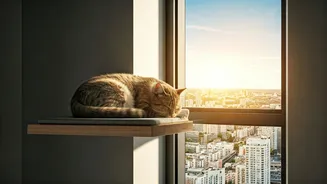
a cat is confined to a small, horizontal floor plan, it can lead to boredom, stress, and destructive behaviours. Providing vertical space, often called 'catification', is one of the most effective ways to enrich their environment. It gives them a place to exercise, explore, and feel secure. A cat with access to perches, shelves, and high-up hiding spots is often a happier, healthier, and better-behaved cat. These wall-mounted structures effectively triple their usable living space without taking up any of your precious floor area.
The Rise of the 'Cat Superhighway'
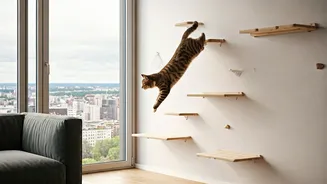
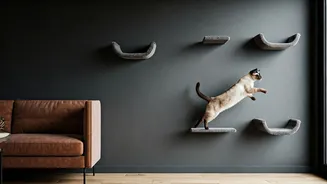
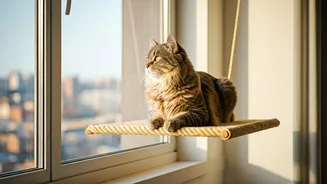
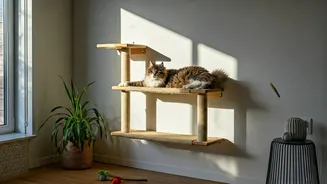
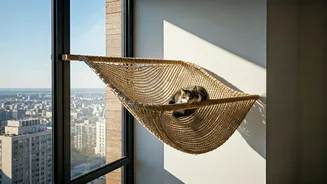
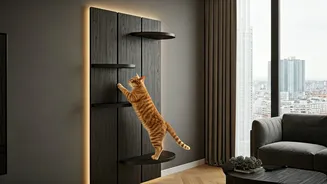
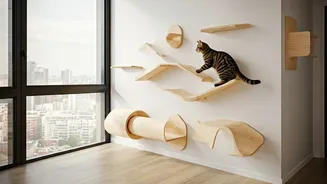
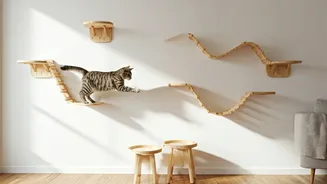
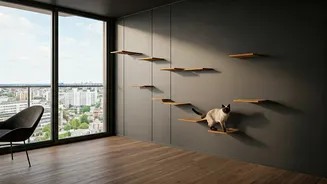
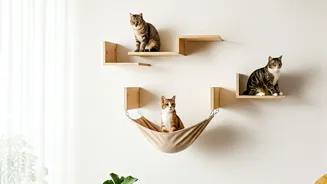
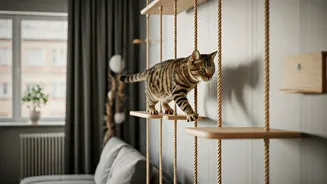
The solution that’s gaining traction is the 'cat superhighway'—an interconnected network of shelves, steps, hammocks, and bridges mounted directly onto the walls. Unlike a single, bulky cat tree, these modular systems are customisable and can span entire rooms. You can create a path that leads from the living room sofa, up the wall, over a doorway via a rope bridge, and down to a cosy perch by the window. The modular nature means you can start small with a few simple steps and expand over time. Many companies now offer stylish, pre-fabricated kits made from materials like solid pine, birch, or bamboo that blend seamlessly with modern interior design. For the handy pet owner, DIY options using sturdy shelving brackets and carpet-covered planks are also popular.
Planning Your Vertical Playground
Before you start drilling, take some time to plan. The key is to think like a cat. A good highway needs multiple entry and exit points so your cat never feels cornered. The layout should have a natural flow, with a mix of active pathways and resting spots. Consider placing perches near windows for 'cat TV' or in sunny spots for napping. The distance between shelves is critical. For a young, agile cat, a horizontal gap of 30-40 cm and a vertical gap of 25-35 cm is usually manageable, but you should adjust for your own cat’s age, size, and athletic ability. Always provide a clear landing zone. The goal is to create a route that is challenging but not impossible, encouraging confident exploration.
Safety is Non-Negotiable
An improperly installed cat highway can be dangerous. The most important step is to securely anchor every component into wall studs, not just drywall. Use a stud finder to locate them. If studs aren't available where you need them, use heavy-duty drywall anchors rated for well above your cat's weight. Pay close attention to the weight limits of any pre-made shelves or brackets you buy. The surfaces should also provide good grip. Bare, lacquered wood can be slippery, so consider adding strips of carpet, sisal rope, or cork to give your cat secure footing, especially on angled ramps or small steps. Finally, ensure all materials are non-toxic and that there are no sharp edges or points where a collar could get snagged.