





The Protein Phenomenon
There's a good reason protein is so popular. It's the essential building block for our bodies, crucial for everything from muscle repair and growth to hormone production and immune function. The fitness boom, especially the rise of strength training,
has put protein in the spotlight. High-protein diets are celebrated for their ability to increase satiety, helping you feel fuller for longer, which can aid in weight management. For active individuals, adequate protein intake is key to recovering from workouts and building strength. This nutrient has rightly earned its place in health conversations, moving from a niche topic for athletes to a mainstream focus for everyday consumers seeking better health.
The Unsung Hero: Dietary Fibre
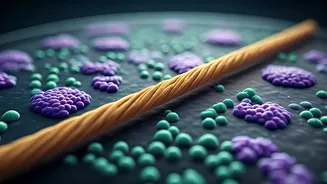
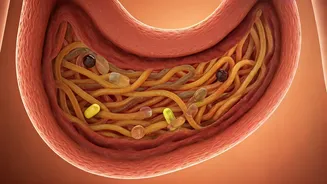
While protein builds the body, fibre helps run the system. Often called roughage, fibre is a type of carbohydrate from plants that our body can't digest. Instead, it plays a critical regulatory role. Fibre is fundamental for a healthy digestive system, preventing constipation and promoting regular bowel movements. But its benefits go much further. It feeds the good bacteria in your gut, creating a healthy microbiome that influences everything from inflammation to mood. A high-fibre diet is also linked to a lower risk of heart disease, stroke, and type 2 diabetes, and it helps manage cholesterol and blood sugar levels.
The Perils of an Unbalanced Plate
The issue isn't protein itself, but an exclusive focus on it. A diet high in protein—especially from animal sources—and low in fibre can lead to problems. The most immediate and common side effect is constipation, as fibre is what adds bulk to stool and helps it move smoothly through your digestive system. Over time, this imbalance can alter your gut microbiome, potentially increasing inflammation. By focusing only on protein, you risk missing out on the vast array of vitamins, minerals, and protective antioxidants found in fibre-rich foods like fruits, vegetables, and whole grains. The goal isn’t to pit one against the other; it’s about achieving a healthy synergy.
Finding the Balance in an Indian Kitchen
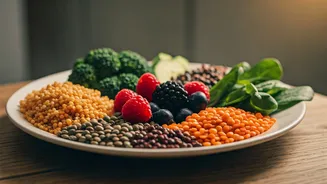
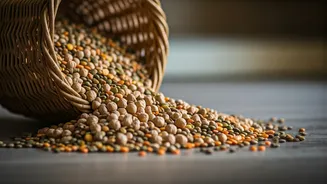
The good news is that a traditional Indian diet is naturally well-equipped to provide both protein and fibre. The key is balance and mindful choices. Many Indian staple foods are powerhouses of both nutrients. Lentils (dal), chickpeas (chana), kidney beans (rajma), and other pulses are excellent sources of plant-based protein that also come packed with fibre. A classic meal of dal and roti (especially whole wheat) or rajma and brown rice is a perfect example of a complete meal that delivers both. For vegetarians, paneer, tofu, and soy chunks offer high-quality protein. To boost fibre, incorporate a variety of vegetables into every meal, switch to whole grains like millets (bajra, jowar) and whole wheat atta, and snack on fruits and roasted chana. The Indian Council of Medical Research recommends about 25-40 grams of fibre per day, while protein needs for a sedentary adult are around 0.8-1g per kilogram of body weight.