


From Humble Staple to Superfood Star
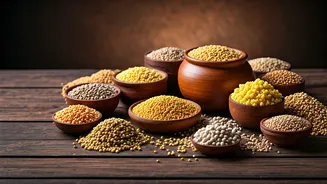
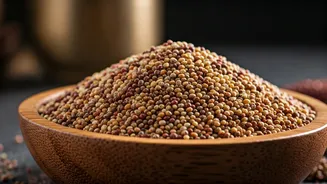
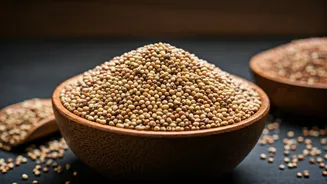
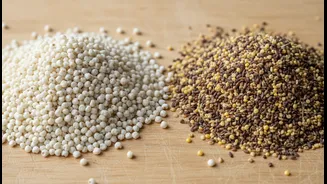
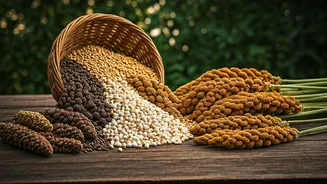
For generations, grains like ragi (finger millet), jowar (sorghum), and bajra (pearl millet) were dietary mainstays across India, long before rice and wheat dominated our plates. Often labelled 'coarse grains' or food for rural and lean times, they were gradually
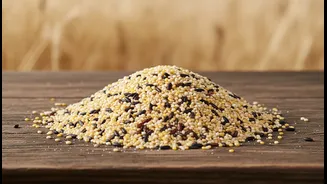
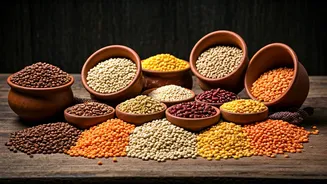
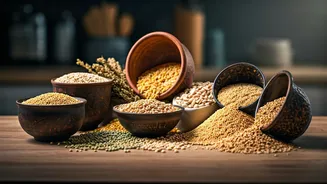
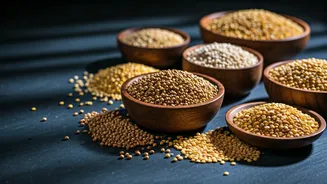
sidelined by the agricultural shifts of the Green Revolution. But now, a major comeback is underway. A new generation of health-conscious consumers and innovative chefs are rediscovering these grains, not as a symbol of austerity, but as a premium, nutrient-dense superfood. This revival is fuelled by a growing awareness of their immense health benefits and a desire to return to traditional, smarter ways of eating.
The Driving Force of Health and Wellness
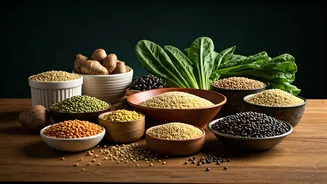
The modern resurgence of millets is strongly tied to their impressive nutritional profile. As lifestyle-related health concerns rise, many are seeking alternatives to refined grains. Millets are a natural answer. They are packed with protein, fibre, and essential minerals like iron and calcium. Being naturally gluten-free, they are a blessing for those with celiac disease or gluten sensitivity. Furthermore, millets have a low glycaemic index, which means they help manage blood sugar levels by preventing sharp spikes after meals, making them an excellent choice for diabetics. Their high fibre content also aids digestion, promotes gut health, and contributes to weight management by keeping you feeling full for longer.
Chefs Championing the Grain
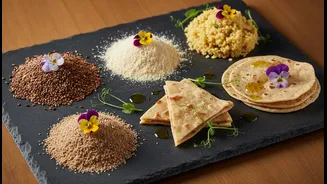
The real 'gourmet upgrade' is happening in the kitchens of India's most creative chefs. They are transforming millets from simple porridge and flatbreads into sophisticated culinary creations. Celebrity chefs like Sanjeev Kapoor and Anahita Dhondy are actively developing and promoting modern millet recipes, from appetisers to desserts. Chef Thomas Zacharias has even launched The Millet Revival Project to champion these grains. You can now find millet-based dishes in Michelin-starred restaurants, where chefs praise their versatility and nutty, subtle flavours. In Chandigarh, Chef Vikas Chawla opened North India's first millet-intensive restaurant, Jhumroo, serving everything from ragi dosas to a unique ragi barfi. This culinary embrace proves that millets can be both healthy and delicious.
A Sustainable Choice for a Better Future
Beyond the plate, the revival of millets is great news for the planet. These hardy crops are climate-resilient, requiring significantly less water than rice and wheat. They can thrive in arid regions and poor soil conditions with minimal need for chemical fertilisers or pesticides. This makes millet cultivation a highly sustainable agricultural practice that supports small farmers and enhances India's food security in an era of climate change. The United Nations declaring 2023 the International Year of Millets further spotlighted these environmental credentials, encouraging a global shift toward more resilient food systems.
Beyond the Bhakri: Reinventing Millet Dishes
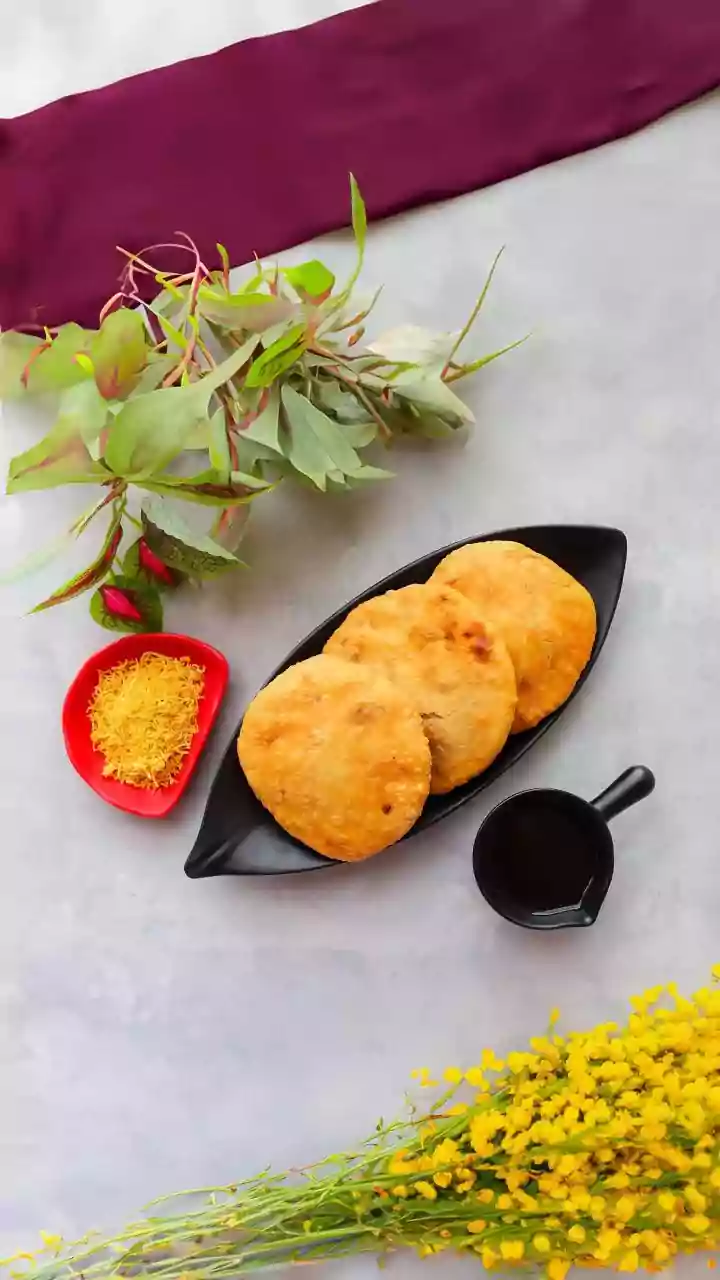
The new age of millets is all about innovation. Home cooks and chefs are swapping out traditional grains for millets in a variety of dishes. Imagine starting your day with fluffy ragi idlis, having a fragrant barnyard millet pulao for lunch, or enjoying a comforting pearl millet khichdi for dinner. Creative recipes now include millet-based salads, tacos, risottos, and even desserts like kheer and laddus. This versatility makes it easier than ever to incorporate these nutritious grains into a modern diet without sacrificing flavour or convenience. Restaurants and food companies are making millets more accessible through ready-to-cook mixes, snacks, and baked goods, ensuring the trend reaches every kitchen.