





Embrace the Art of Layering
The secret to packing light for multiple climates is not to pack for specific outfits, but to pack a versatile system of layers. This strategy allows you to adapt to any temperature by simply adding or removing items. Think of your clothing in three distinct
categories: a base layer for moisture management, a mid-layer for insulation, and an outer layer for protection from wind and rain. By combining these, you can create a comfortable outfit for a warm afternoon, a chilly evening, and a cold mountain morning without carrying a dozen different specialised garments. This modular approach is the cornerstone of efficient travel.
Choose Your Base Layer Wisely
Your base layer is the foundation of your travel wardrobe, worn next to the skin. Its primary job is to wick moisture away, keeping you dry and comfortable. For mixed-climate travel, merino wool is a superstar fabric; it's breathable in the heat, insulating when it's cold, and naturally resists odour over multiple wears. High-quality synthetics are also excellent choices, known for being lightweight and quick-drying. Pack a few short-sleeve T-shirts and at least one long-sleeve top. These will serve you well in humid coastal cities and become the first layer of warmth when temperatures drop.
The Workhorse Mid-Layer
The mid-layer provides insulation by trapping body heat. This is where you get your warmth, but you must avoid bulk. A lightweight fleece jacket or a compact down or synthetic-fill 'puffer' jacket is perfect for this role. These items provide an incredible amount of warmth for their weight and can be compressed into a small corner of your backpack. When you're on the coast, you might not need it at all, but as you ascend into the mountains or face a cool evening breeze, throwing on this layer over your base T-shirt will make all the difference.
The Indispensable Outer Shell
Instead of a bulky winter coat, pack one high-quality outer shell. This should be a lightweight, waterproof, and windproof jacket. Its job is not to provide warmth on its own, but to protect you and your other layers from the elements. A good shell jacket can be worn over just a T-shirt during a sudden monsoon shower on the coast, or over your base and mid-layers to shield you from biting winds in the mountains. Look for a 'packable' jacket that can fold into its own pocket, making it easy to carry in a daypack for unexpected weather changes.
Smart Bottoms and Footwear
For trousers, versatility is key. A pair of high-quality, quick-drying travel pants made from a synthetic blend will be more practical than heavy jeans, which take a long time to dry. Some travellers swear by convertible pants that can be zipped off into shorts. To stick to a neutral colour like black, grey, or tan ensures they will match all your tops. For footwear, limit yourself to two pairs. One comfortable pair of sneakers or trail runners that can handle city walking and light hikes, and one pair of sandals or flats for warmer weather and relaxed evenings. Wear your bulkiest pair of shoes on the plane to save space in your luggage.
Accessories: Maximum Impact, Minimum Space
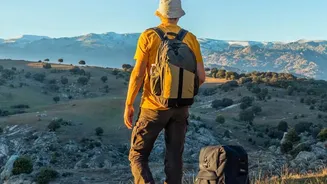
Small accessories provide a massive boost in warmth and adaptability with almost no packing penalty. A versatile scarf or dupatta can provide warmth for your neck, act as a head covering for religious sites, or even serve as a small blanket on a chilly bus. A warm hat (beanie) and a pair of gloves are essential for the mountain portion of your trip and take up very little space. Finally, a small, packable daypack is invaluable for carrying your water bottle, snacks, and the layers you shed as the day warms up.