




So, What Exactly Are Microgreens?
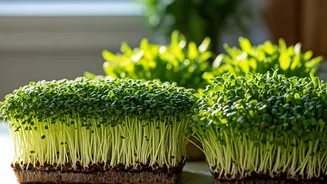
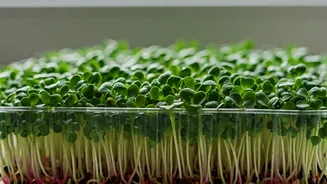
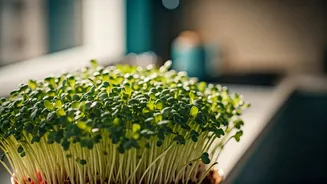
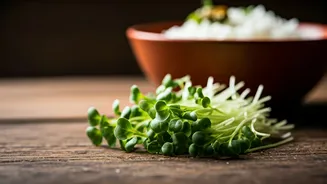
Let’s clear up the confusion: microgreens are not sprouts. Sprouts are germinated seeds, eaten whole (seed, root, and shoot) and grown in water. Microgreens are the next stage of a plant's life. They are young vegetable greens, harvested just after the first
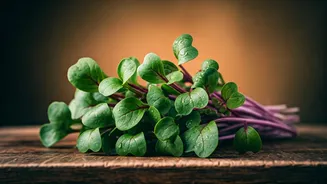
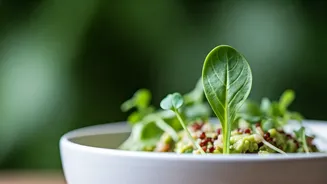
true leaves have developed. Think of them as plant toddlers—older than a sprout but younger than “baby” greens like spinach. They are grown in soil or a soil substitute, and you only eat the stem and leaves, not the root. Common varieties include the seedlings of radishes, broccoli, kale, cilantro, and basil. What sets them apart is their intense flavor. A radish microgreen tastes remarkably like a full-grown radish, often with a more pronounced peppery kick. A cilantro microgreen delivers a pure, concentrated cilantro essence without the sometimes-divisive texture of the mature herb.
A Tiny Package of Big Nutrition
The “superfood” label gets thrown around a lot, but in the case of microgreens, it has some scientific backing. Because they are harvested at a point of rapid growth, these tiny greens are incredibly nutrient-dense. A landmark study by the USDA and the University of Maryland found that microgreens can contain anywhere from four to 40 times more vitamins and antioxidants by weight than their mature counterparts. For example, red cabbage microgreens were found to have significantly higher concentrations of Vitamin C and Vitamin E. Broccoli microgreens are packed with sulforaphane, a compound linked to numerous health benefits. While a sprinkle won't replace a full serving of vegetables, incorporating them into your diet is a simple and effective way to boost your intake of crucial nutrients like Vitamin K, lutein, and beta-carotene without adding significant calories.
The 'Why Now?' Connection
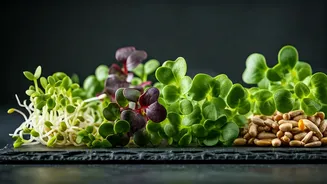
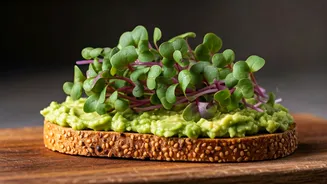
The rise of microgreens isn’t accidental; it’s a perfect storm of modern wellness culture, social media aesthetics, and a desire for convenience. First, they are incredibly photogenic. That bright green or deep purple flourish instantly elevates a simple meal into something special, making it perfect for Instagram or TikTok. For a generation that documents their lives through visuals, a food that looks as good as it tastes is a major win. Second, they tap directly into the youth-driven focus on health and wellness. They offer a simple “health hack”—an easy way to add nutrients to food without complicated recipes or a huge time commitment. The “sprinkle on” nature is key. Finally, there's a sustainability and local-sourcing component. Many microgreens are grown by small-scale urban farms and sold at local farmers' markets, appealing to consumers who want to know where their food comes from. DIY grow kits have also become popular, offering a tangible connection to food production, even in a small apartment.
Beyond a Pretty Garnish
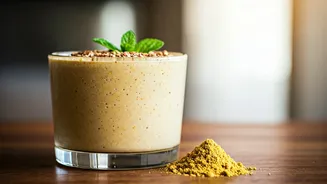
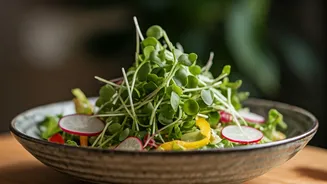
The biggest mistake people make is treating microgreens as purely decorative. Their concentrated flavor is their secret weapon. Think of them as a finishing ingredient that adds both nutrition and a final layer of taste. The possibilities are nearly endless. Scatter peppery arugula or radish microgreens over a finished pizza or flatbread to cut through the richness of the cheese. Stir delicate pea or sunflower shoots into scrambled eggs or an omelet right before serving. Pile them high on sandwiches and tacos for a fresh, crisp crunch. You can even blend mild varieties like broccoli or kale microgreens into a smoothie for a nutrient boost that you won't even taste. Or, simply toss a handful with a light vinaigrette for a simple, elegant side salad. The key is to add them at the very end of cooking, as their delicate structure wilts quickly under heat.