








Argentina: La Albiceleste
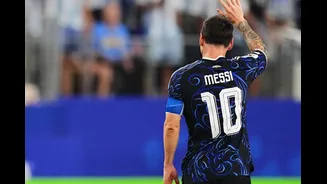
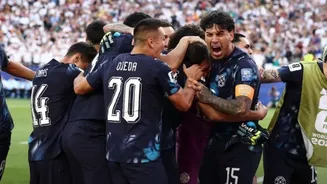
When you see the iconic sky blue and white stripes of Argentina's jersey, you are looking at the very meaning of their famous nickname, 'La Albiceleste'. In Spanish, the name literally translates to 'The White and Sky Blue'. This isn't a marketing slogan
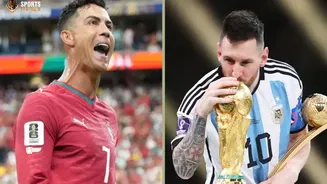
but a name that grew organically from the heart of the nation. It directly references the colours of the Argentinian flag, which represent the sky and the clouds. First used in the early 20th century, the name embodies a deep sense of national pride. Every time players like Lionel Messi or legends like Diego Maradona have pulled on the jersey, they have carried more than just a uniform; they have worn a symbol of their country's identity, a name that unites millions of fans under two simple, powerful colours.
Brazil: Seleção and Canarinho
Brazil is so synonymous with footballing talent that one of its primary nicknames, 'A Seleção', simply means 'The Selection' in Portuguese. It underscores the immense honour and pressure of being chosen to represent a nation of over 200 million football fanatics. But their more affectionate nickname is 'Canarinho', which translates to 'Little Canary'. This name was born from a national tragedy: a devastating loss to Uruguay in the 1950 World Cup final while wearing white kits. A subsequent competition to design a new uniform led to the adoption of the now-famous yellow jersey, with green trim and blue shorts, reflecting the national flag. The name 'Canarinho' was coined to match the vibrant yellow, symbolising not just a bird but the joyful, energetic, and rhythmic style of football that Brazil gifted to the world.
France: Les Bleus
Simple, direct, and effortlessly cool, France's nickname 'Les Bleus' means 'The Blues'. The name is a straightforward nod to the team's traditional blue jersey, the primary colour that has been part of their identity since they first started competing internationally in the early 20th century. Blue is also the first colour on the nation’s famous tricolour flag, linking the team directly to a powerful symbol of French identity. The name has become synonymous with periods of incredible success, from the Michel Platini era in the 1980s to the World Cup victories in 1998 and 2018, led by legends Zinedine Zidane and modern stars like Kylian Mbappé. When fans chant 'Allez Les Bleus!', they are cheering for more than a colour; they are cheering for a legacy of footballing excellence.
England: The Three Lions
Emblazoned on the team's crest and immortalised in song, 'The Three Lions' is a nickname deeply woven into English history. It originates from the Royal Arms of England, a symbol that dates back to the 12th century. King Richard I, famously known as Richard the Lionheart, was the first to adopt the three lions passant (walking with one paw raised) as his official royal symbol. The lions represent courage, strength, and royalty. The English Football Association adopted this powerful emblem upon its founding in 1863, and the football team has worn it ever since their first international match in 1872. Today, 'Three Lions on a shirt' is more than just a lyric; it’s a direct link to centuries of English heritage.
Japan: Samurai Blue
Japan's nickname, 'Samurai Blue', perfectly marries its modern sporting identity with its ancient warrior past. The 'Blue' part refers to the team's jersey colour, which has been their primary shade since the 1930s, despite the national flag being red and white. The 'Samurai' half evokes the image of Japan's legendary warriors, known for their discipline, honour, and relentless fighting spirit. This combination projects an image of a team that is not only technically skilled but also mentally resilient and proud. The nickname was officially adopted following a public poll ahead of the 2006 World Cup, solidifying its place in the hearts of fans. It’s a name that captures the team's ambition: to compete on the world stage with the heart of a warrior.
Nigeria: The Super Eagles
The evolution of Nigeria’s nickname mirrors the nation's own journey. Before independence, the team was known as the 'Red Devils' because of their red kits. After gaining independence in 1960, they became the 'Green Eagles', reflecting the green of their new national flag and the eagle on the country's coat of arms, a symbol of strength. The final transformation came after an impressive run to the final of the 1988 Africa Cup of Nations. To honour their heroic performance and elevate their status, the moniker was upgraded to the 'Super Eagles'. This name has stuck, symbolising a team that has consistently soared as one of Africa’s footballing powerhouses.