




The New Players in the Second Space Race
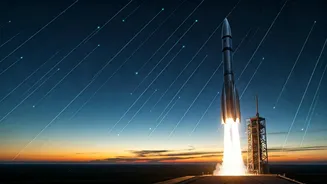
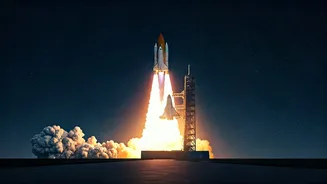
The modern space race is crowded with private firms fundamentally changing the economics of reaching orbit. Companies like SpaceX, Blue Origin, and Rocket Lab are no longer just contractors for government agencies like NASA; they are independent pioneers.
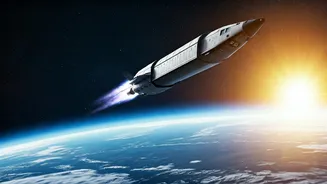
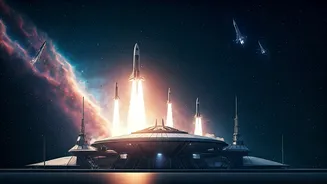
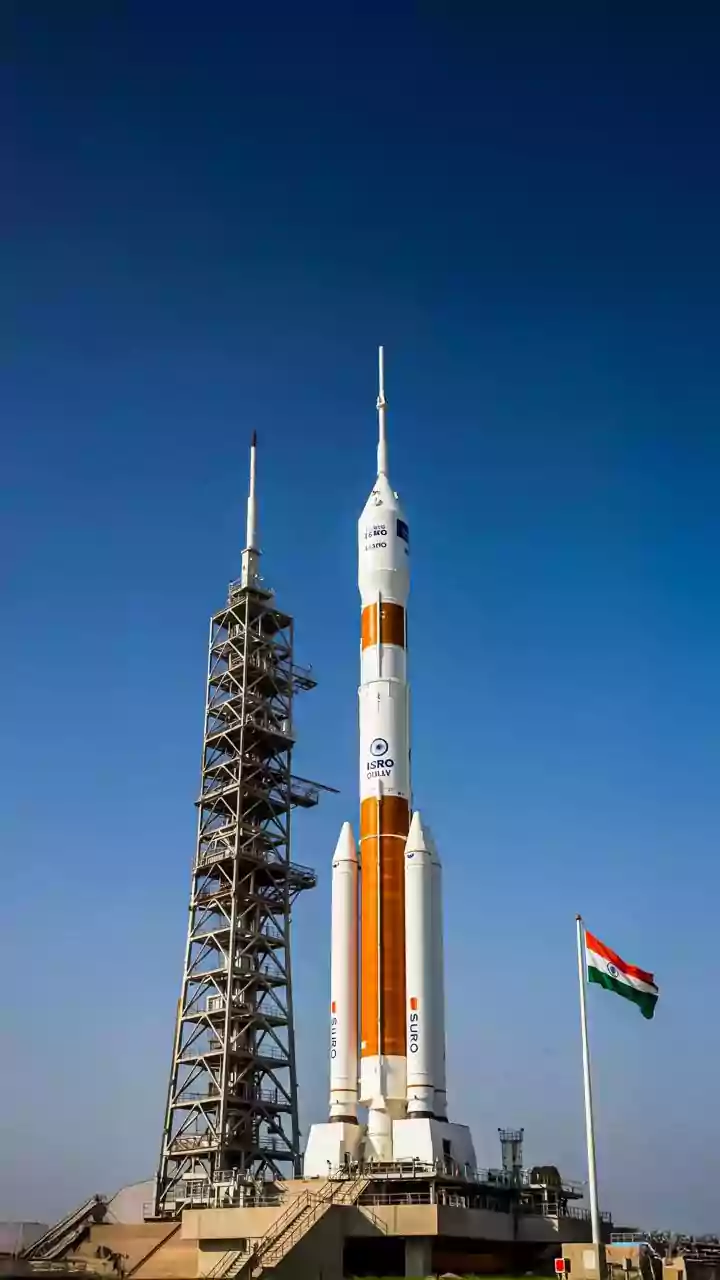
[4, 7] SpaceX, with its reusable Falcon rockets, now dominates the global launch market. [7] Blue Origin, founded by Jeff Bezos, is developing its New Glenn heavy-lift rocket and the Blue Moon lunar lander. [4] Meanwhile, a host of other innovative companies are entering the scene, focusing on everything from 3D-printed rockets (Relativity Space) to fully reusable launch vehicles designed for daily flights (Stoke Space). [4, 13] This intense competition and focus on reusability are drastically cutting the cost of accessing space, making new commercial ventures feasible for the first time. [2]
Commercializing the Commute to Orbit
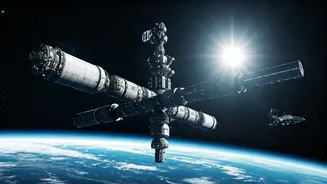
The most immediate impact of this private-sector push is the commercialization of low Earth orbit (LEO). This is the region where the International Space Station (ISS) resides, and it's quickly becoming a bustling economic zone. [1, 3] Companies are launching vast satellite "mega-constellations," such as SpaceX's Starlink and Amazon's Project Kuiper, to provide global broadband internet. [7, 9] NASA itself is actively fostering this economy, planning to become just one of many customers for future commercial space stations. [1, 8] Firms like Axiom Space are already building modules for the ISS that will later detach to form independent commercial outposts, hosting activities from private astronaut missions to in-space manufacturing. [1, 8]
Next Stop: The Moon and Beyond
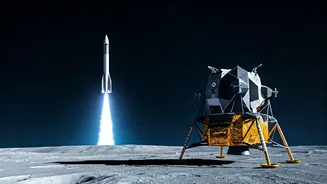
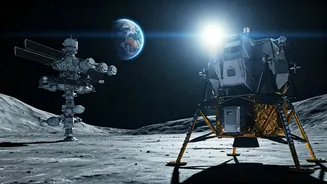
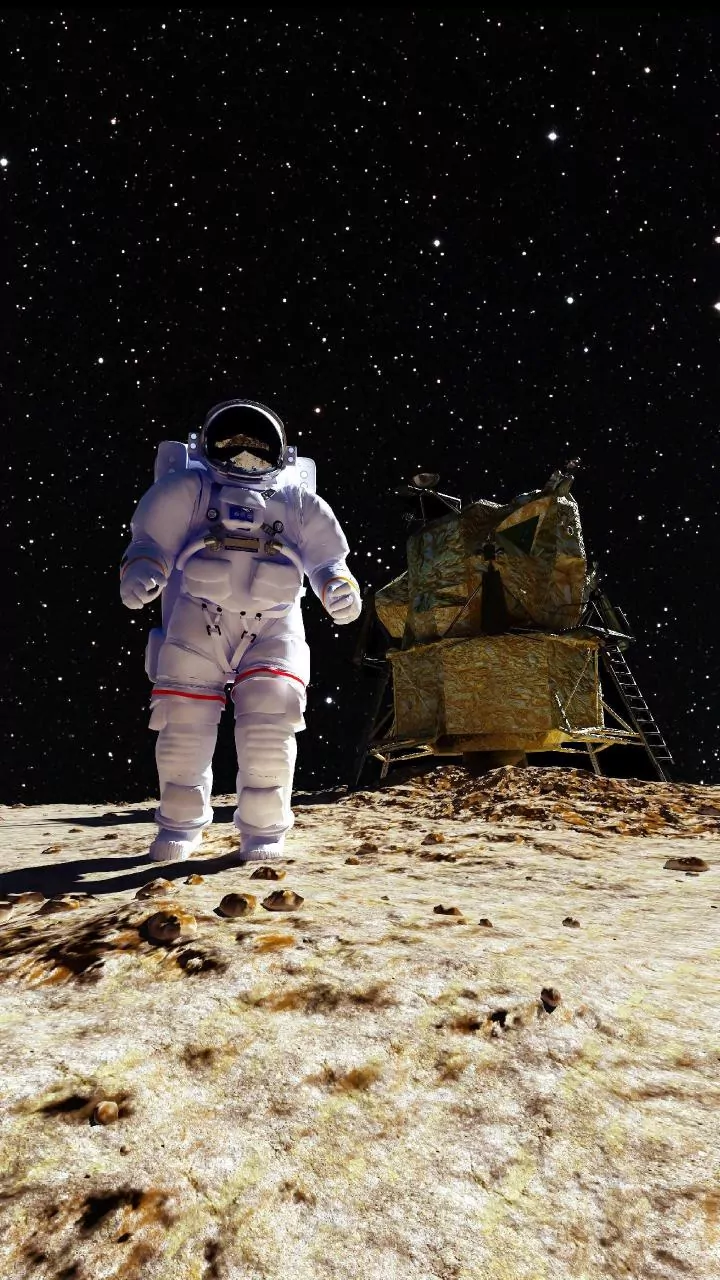
Private ambitions don't stop at Earth's orbit. The Moon is the next major destination. Under its Artemis program, NASA is partnering with private companies to land humans on the lunar surface for the first time in over 50 years. [15] SpaceX's Starship has been selected to serve as the human landing system, designed to deliver the building blocks for a permanent lunar presence. [15] Blue Origin is also developing a lander for NASA's program, and other companies have been selected to develop lunar terrain vehicles. [14] Looking further out, some companies are already setting their sights on Mars. Relativity Space recently secured a partnership with NASA for a privately funded science mission to orbit the red planet in 2028. [16, 22] These missions are seen as crucial steps toward eventually establishing self-sufficient settlements.
The Dawn of an In-Space Economy
Perhaps the most transformative potential lies in creating an economy that exists entirely off-planet. One of the most promising fields is in-space manufacturing. The microgravity environment allows for the creation of superior materials, from higher-quality semiconductors to flawless fiber optics and even artificial human tissues. [19] Varda Space Industries is already using orbital capsules to manufacture pharmaceuticals. [9] Another long-term goal is asteroid mining. Asteroids contain vast quantities of valuable metals like platinum, as well as water that can be converted into rocket propellant. [6, 20] Tapping these resources—a concept known as In-Situ Resource Utilization (ISRU)—could create refueling depots in space, drastically cutting the cost of deep-space missions and enabling a truly sustainable human presence beyond Earth. [6, 25]
Challenges on the Final Frontier
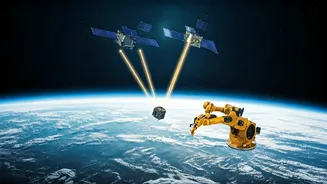
This rapid commercial expansion is not without significant hurdles. The increasing number of satellites in LEO is creating a congested environment, raising critical concerns about space debris and the risk of collisions. [2, 3] Outdated international space laws need urgent updates to manage orbital traffic and prevent a potential crisis. [2] Furthermore, the immense cost and technical difficulty of deep-space ventures remain formidable. [3, 12] There are also geopolitical questions about resource rights and the potential for conflict as nations and corporations vie for access to valuable locations on the Moon or specific asteroids. [6] Ensuring that the benefits of the space economy are shared equitably and that this new frontier is developed responsibly are major challenges that must be addressed.