

The Spectacular Perseid Meteor Shower
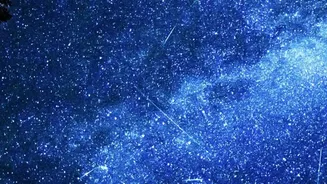
The highlight of August is undoubtedly the Perseid meteor shower, one of the best and brightest of the year. This year’s shower is especially promising because its peak coincides with the New Moon, creating exceptionally dark skies for optimal viewing.
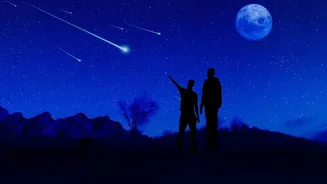
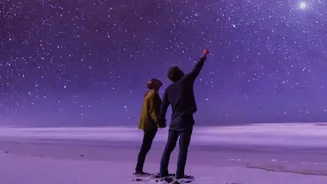
The shower is active from mid-July to late August, but the best time to watch is during its peak on the night of August 12 and into the early morning of August 13. During this time, you could see dozens of meteors per hour streaking across the sky. These shooting stars are actually tiny bits of debris left behind by the comet Swift-Tuttle. For the best experience, find a location away from city lights, let your eyes adjust to the darkness for about 30 minutes, and simply look up towards the constellation Perseus. The show starts after about 11 p.m. local time and gets better as the night progresses towards dawn.
Moon Phases and a Lunar Eclipse
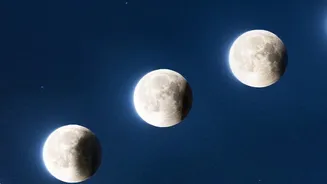
The Moon itself offers a dynamic show this month. August begins with a waning moon leading to the New Moon on August 12. This is the ideal time for spotting faint objects like galaxies and meteors, as there will be no moonlight to wash them out. The Moon then enters its waxing phase, with the First Quarter visible on August 20. The grand finale is the Full Moon on August 28, known as the Sturgeon Moon. This month's Full Moon is special as it will coincide with a partial lunar eclipse. During this event, a portion of the Moon will pass through Earth's dark shadow, causing it to appear noticeably dimmer in some parts. It will be visible across North and South America, Europe, and Africa.
A Parade of Planets
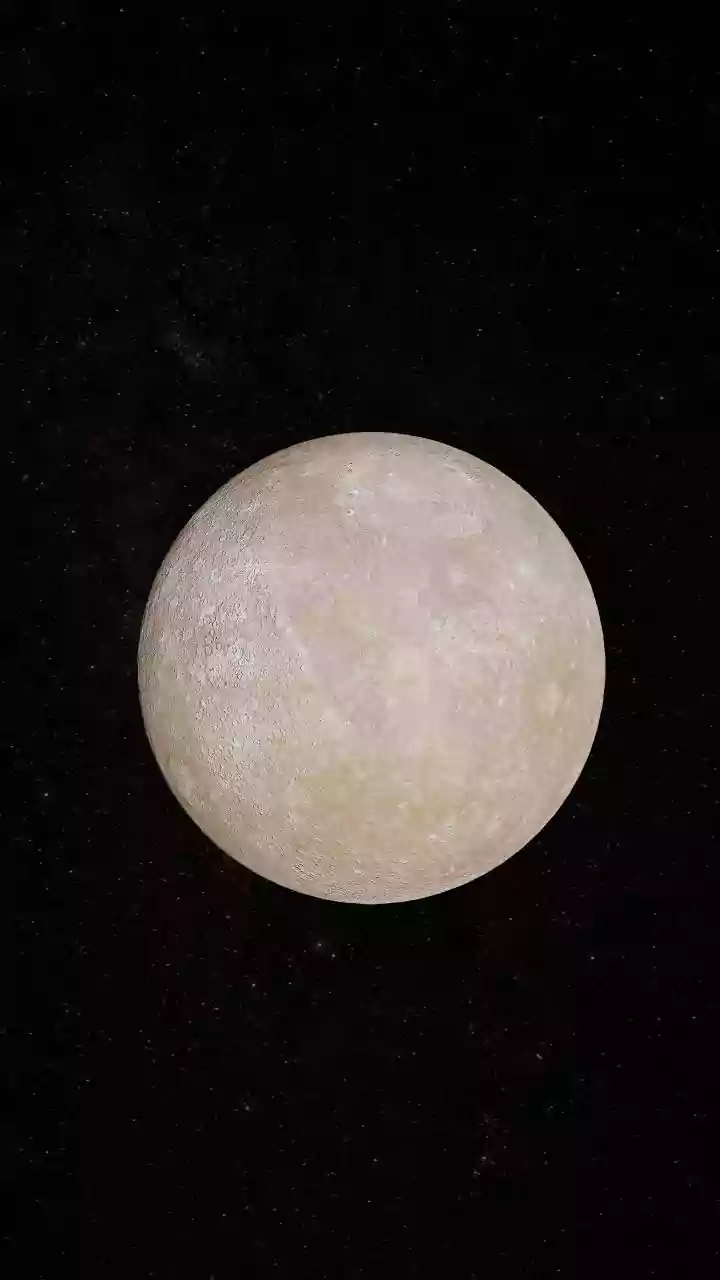
August is an excellent month for planet-watching. On August 12, a remarkable alignment of six planets—Jupiter, Mercury, Mars, Saturn, Uranus, and Neptune—will stretch across the pre-dawn sky. While Uranus and Neptune require at least binoculars, Mars and Saturn will be fairly easy to spot with the naked eye. Look for yellowish Saturn rising in the evening and reddish Mars high in the sky before dawn. Mercury and Jupiter will appear very low on the eastern horizon just before sunrise, so you'll need a clear view to catch them. Venus will also be a brilliant beacon, shining brightly in the western sky after sunset and reaching its greatest distance from the Sun on August 15.
Journey to Deep-Sky Objects
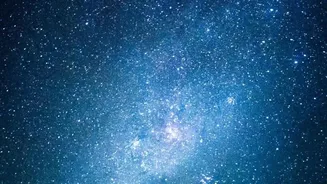
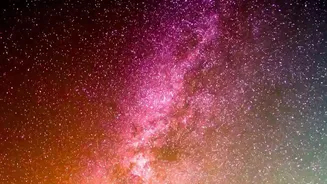
With the dark skies of the New Moon, August provides a great opportunity to hunt for objects far beyond our solar system. The heart of our own galaxy, the Milky Way, is high overhead in the summer skies for observers in India. The constellations Scorpius and Sagittarius are rich with targets. Look for the Great Hercules Cluster (M13), a stunning globular cluster containing hundreds of thousands of stars. For those with a small telescope or even good binoculars, the Lagoon Nebula (M8) and the Trifid Nebula (M20) in Sagittarius are spectacular sights. Another magnificent target is the Andromeda Galaxy (M31), our closest major galactic neighbor. While it can be faint, from a dark-sky location it is visible to the naked eye as a small, fuzzy patch of light.
Tips for the Best Viewing Experience
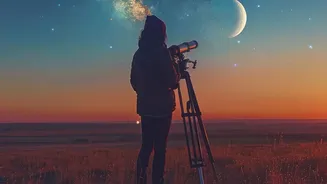
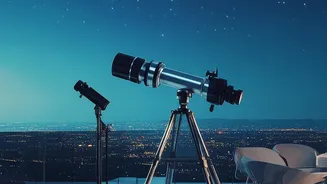
You don't need expensive equipment to enjoy the August sky. Many of these events are visible with just your eyes. To make the most of your stargazing session, find a spot with a clear view of the horizon, far from the light pollution of cities. Give your eyes at least 20-30 minutes to fully adapt to the dark; this means avoiding looking at your bright phone screen. A comfortable chair or blanket will make craning your neck much more pleasant. For help identifying constellations and planets, consider using a stargazing app on your smartphone with a red-light mode to preserve your night vision. Finally, be patient. The universe has a show to put on, and it's worth the wait.