





A Perfect Storm on the Tarmac
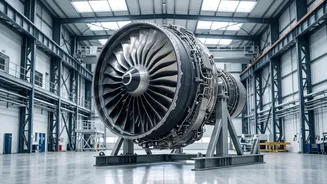
India's aircraft shortage is not due to a single issue but a convergence of several major problems. A primary cause has been persistent issues with Pratt & Whitney (P&W) engines used on the popular Airbus A320neo family of aircraft. These engines have
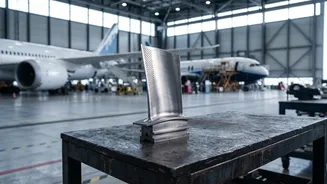
suffered from premature wear and require frequent, unscheduled maintenance, leading to a significant portion of the domestic fleet being grounded. This problem was a major factor in the collapse of Go First, which saw half its A320neo fleet grounded by May 2023. Even India's largest carrier, IndiGo, has been severely affected, with dozens of its planes out of service at any given time due to these engine woes. Compounding this are global supply chain disruptions, which have delayed the delivery of both new aircraft and the spare parts needed to keep the existing fleet flying.
Soaring Demand Meets Grounded Reality
The supply-side crunch is happening just as India's appetite for air travel is booming. The country is one of the fastest-growing aviation markets in the world, with forecasts predicting a commercial fleet growth rate of 7.1% annually between 2026 and 2036. Passenger traffic is expected to grow steadily over the next decade. This creates a widening gap between the number of available seats and the number of people who want to fly. With fewer planes in service, airlines are struggling to add capacity on new and existing routes. This mismatch is a key driver behind the soaring airfares that passengers are currently experiencing, especially during peak travel and festive seasons. When supply is constrained, the dynamic pricing models used by airlines push fares up sharply.
The Ripple Effect on Fares and Flights
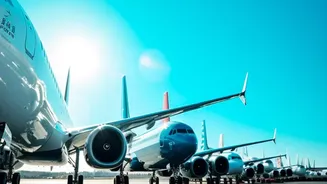
For travellers, the aircraft shortage translates directly into higher costs and potential inconvenience. With a significant portion of the fleet grounded—estimated at around 19-20% of the industry's total by August 2026—airlines have less capacity. This scarcity gives them more leeway to increase prices. The problem is exacerbated by other factors like high taxes on Aviation Turbine Fuel (ATF), which can constitute up to 40% of an airline's operating costs, and a depreciating rupee that makes leasing aircraft and buying spare parts more expensive. Some airlines, like IndiGo, have turned to wet leasing—renting aircraft along with crew and maintenance from foreign carriers—as a temporary measure to maintain schedules, but this is a costly solution.
An Unprecedented Order Book
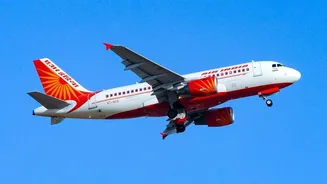
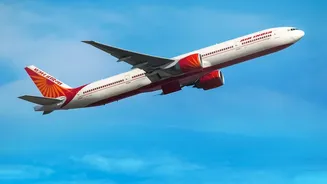
Indian carriers are not sitting idle. They have responded with some of the largest aircraft orders in aviation history. Collectively, airlines like IndiGo, Air India, and Akasa Air have over 1,200 aircraft on order from Airbus and Boeing. In fact, the government has stated that India's total requirement is over 2,000 planes and that airlines are readying to order another 1,000. Air India alone is in the midst of a massive fleet modernization and will be inducting a new aircraft roughly every six to seven days in 2026 when combining narrow-body and wide-body deliveries. IndiGo placed a record-breaking order for 500 Airbus A320neo family aircraft in 2023. These new planes are more fuel-efficient and will be crucial for expansion.
A Long Runway to Normalcy
While the massive orders signal a commitment to growth, they are not a quick fix. Global aircraft manufacturers are facing their own significant production backlogs and supply chain issues, meaning deliveries are spread out over many years. Some aircraft ordered by Indian carriers are not scheduled for delivery until as late as 2034. This means the capacity crunch is likely to persist in the near term. The government is exploring ways to support the industry, including improving aircraft leasing and financing options within India to reduce reliance on foreign lessors, who currently provide over 85% of the fleet. For now, the Indian aviation sector remains in a challenging position: navigating record demand with a constrained fleet, a situation that will take several years and hundreds of new aircraft to fully resolve.