



The Annual Celestial Fireworks
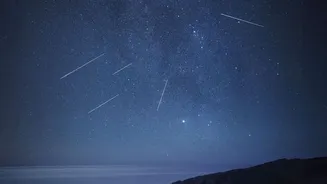
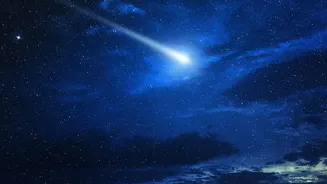
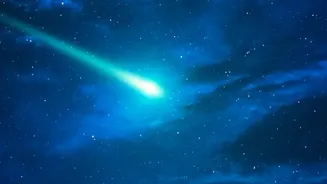
Every year around mid-August, Earth passes through the dusty trail of Comet Swift-Tuttle, treating us to the Perseid meteor shower. As tiny, sand-grain-sized particles hit our atmosphere at high speeds, they burn up, creating dazzling streaks of light
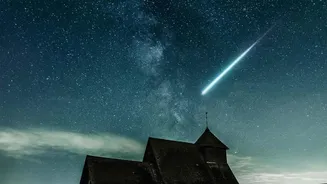
across the sky. The 2026 peak, expected around August 12-13, is particularly promising. It coincides with a new moon, which means the sky will be exceptionally dark, free from moonlight that could otherwise wash out the fainter meteors. Under ideal conditions, viewers can anticipate seeing anywhere from 50 to 100 meteors per hour in the pre-dawn hours. These meteors are known for being bright and fast, often leaving behind persistent glowing trails.
The Urban Stargazer's Dilemma
For anyone living in or near a major Indian city, the idea of seeing a hundred shooting stars sounds like a fantasy. The reality is that rampant urbanisation and the resulting light pollution have almost completely erased the night sky. This 'skyglow'—a bright haze caused by excessive and poorly directed artificial lighting from streets, buildings, and advertisements—scatters in the atmosphere and drastically reduces visibility. From most cities, only the moon, a few planets, and the brightest stars are visible, while the breathtaking sight of the Milky Way is lost to all but the most remote areas. This makes viewing a meteor shower, which relies on spotting faint, fleeting streaks of light, an almost impossible task.
The Irresistible Pull of Darkness
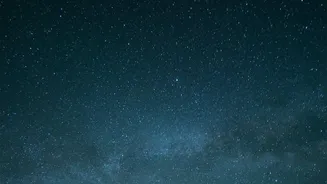
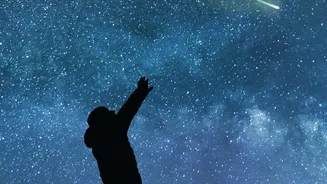
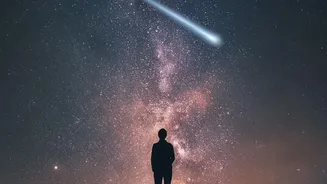
The primary reason stargazers flock to rural destinations is simple: darkness. To truly appreciate a meteor shower, you need a sky free from artificial light. Rural India, with its vast stretches of land away from densely populated centres, offers this pristine darkness. In these locations, the human eye can adapt properly to the dark, allowing it to perceive much fainter objects. Suddenly, the sky is not an empty black canvas but a rich tapestry woven with thousands of stars, constellations, and the faint, cloudy band of our own galaxy, the Milky Way. It is against this magnificent backdrop that the fleeting magic of a meteor shower can be truly experienced, with every streak of light standing out in sharp, brilliant contrast.
More Than Just a Dark Sky
The journey to the countryside offers more than just a better view; it's a holistic experience. It’s a chance to escape the noise and stress of city life and reconnect with the natural world. This trend has fuelled the rise of 'astro-tourism' in India, an industry that is seeing significant growth. Entrepreneurs and local communities are setting up homestays, camps, and workshops that cater specifically to stargazers. These gatherings foster a sense of community, where enthusiasts and beginners alike can share their passion for the cosmos. India's first Dark Sky Reserve in Hanle, Ladakh, has seen a massive increase in visitors, directly benefiting local businesses and promoting a sustainable model of tourism that values environmental preservation.
Prime Locations for Celestial Views
While you don't need to travel to a designated reserve to enjoy the show, certain regions in India are renowned for their dark skies. The high-altitude cold deserts of Ladakh and Spiti Valley are legendary among astronomers for their clear, dry air and minimal light pollution. The vast, empty salt pans of the Rann of Kutch in Gujarat and the Thar Desert in Rajasthan provide unobstructed, panoramic views of the horizon. Even the quieter parts of the Western Ghats, such as in Coorg, or the Himalayan foothills in Uttarakhand and Himachal Pradesh offer excellent opportunities to witness the night sky in its full glory, far from the city's glow. The key is finding a location with a clear view, away from any direct sources of light.