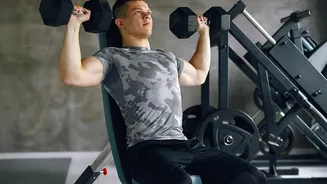







From Brawn to Brains: The New Philosophy
The conversation around strength training is changing. While traditional bodybuilding focuses on isolating muscles to increase their size and definition, a growing movement is prioritising what your muscles can do over how they look. This is often called
functional strength training, and its core idea is simple: train your body to handle real-world activities with ease and efficiency. Instead of focusing on isolated movements like bicep curls, this approach centres on compound exercises that mimic everyday actions like squatting, lifting, pushing, and pulling. The goal isn't just to build muscle; it's to improve the way your brain and muscles work together, turning strength into a practical skill that enhances your quality of life. It's about building a body that is resilient, capable, and prepared for the physical demands of your daily routine.
Why Everyday Movement Matters
Think about your daily activities: carrying groceries, lifting a child, climbing stairs, or even just getting up from a chair. These are all movements that require a coordinated effort from multiple muscle groups. Functional strength training prepares you for exactly these tasks. By strengthening the body as an integrated system, you build what is often called 'real-world strength'. This approach not only makes daily life feel easier but also significantly reduces the risk of injury. When your body is well-prepared to handle a sudden twist or a heavy load, you are less likely to suffer strains and sprains. This becomes increasingly important as we age, helping to maintain independence, mobility, and confidence for years to come.
What Functional Strength Looks Like
So, how does this differ from a typical gym routine? Instead of a 'chest day' or 'leg day', a functional approach focuses on fundamental movement patterns. Key exercises include squats, which mimic sitting and standing, and deadlifts, which train you to safely lift objects from the floor. Other staples are lunges, which build single-leg stability and balance, and loaded carries (like a farmer's walk), which directly translate to carrying shopping bags or luggage. Pushing movements like push-ups and overhead presses build the strength needed to open heavy doors or place items on a high shelf. These exercises are effective because they are compound movements, meaning they engage multiple joints and muscle groups at once, just as your body works in real life.
Training Your Nerves, Not Just Your Muscles
A crucial, often overlooked benefit of this approach is its effect on your nervous system. Strength is as much a neurological skill as it is a muscular one. When you perform compound movements, you are training your brain to become more efficient at coordinating different muscles to work together smoothly. This enhanced neuromuscular connection improves your balance, stability, and overall motor control. You're not just making your muscles stronger; you're improving your body's ability to sense its position in space (proprioception) and react appropriately. This leads to better coordination and agility in all your activities, from playing a sport to simply avoiding a fall on an uneven pavement.
How to Adopt a Skill-Based Approach
Getting started with functional strength training is accessible to nearly everyone. The focus should always be on the quality of the movement, not the amount of weight lifted. You can begin with just your bodyweight to master foundational exercises like squats, lunges, and push-ups. As you get stronger, you can introduce resistance with tools like dumbbells or kettlebells. It's also beneficial to incorporate unilateral exercises—working one side of the body at a time, like in a single-arm press or a split squat—to challenge your stability and correct muscular imbalances. If you're new to exercise, seeking guidance from a qualified trainer who understands functional principles can help ensure you're performing movements safely and effectively, setting you up for long-term success.